
Travel Crates vs Carriers: Which Is Better for Your Cat’s Next Trip?
Last Updated on September 5, 2025 by James Kim
Affiliate Disclosure:
This post may contain affiliate links. If you click through and make a purchase, I may earn a small commission at no extra cost to you. As an Amazon Associate I earn from qualifying purchases. I only recommend products I believe bring genuine value. Thank you for supporting this site.
Note: This article is for informational purposes only and is not a substitute for professional veterinary advice. Always consult your vet for your cat’s specific needs.
Traveling with your cat can be a rewarding experience—but only if it’s done safely and with the right gear. Whether you’re planning a quick trip to the vet, a weekend getaway, or even a cross-country move, one crucial question every cat parent faces is this: Should I use a travel crate or a carrier?
While both serve the purpose of containing your feline friend during transport, they aren’t interchangeable. Each has distinct advantages depending on the length of the trip, mode of travel, your cat’s temperament, and personal comfort needs. Choosing the wrong type of travel enclosure could result in unnecessary stress for your pet—or worse, compromise their safety.
In this guide, we’ll break down the key differences between travel crates and carriers, outline their pros and cons, and help you decide which is the best option for your next adventure. We’ll also share expert tips and product recommendations to make your journey smoother and safer for your furry companion.
What Are Travel Crates and Carriers?
Before choosing between a travel crate or a carrier, it’s important to understand what sets them apart. While both are designed to transport pets securely, their construction, purpose, and practicality can vary significantly.
What Is a Travel Crate?
A travel crate is a rigid, often hard-sided enclosure designed for long-distance transport. Crates are typically made of durable plastic or metal and are built to handle rougher handling, such as during air travel or extended car trips. Many crates are airline-approved and come with added features like ventilation grates, locking doors, and room for food/water dishes. They’re especially useful for larger cats, multi-pet travel, or animals prone to anxiety who need extra stability.
Common features of travel crates:
- Hard plastic or reinforced metal structure
- Bolt-locking mechanisms for security
- Airline cargo compliance (IATA-approved)
- Optional compartments for food, water, and absorbent pads
What Is a Cat Carrier?
A cat carrier is generally more compact, lighter, and suited for short-term use. Available in both soft-sided and hard-shell formats, carriers are ideal for trips to the vet, car rides, or airline cabin use. Soft-sided versions offer greater portability and often feature shoulder straps or backpack options. They’re more comfortable for the owner to carry and can feel cozy and nest-like for the cat—making them a go-to for short travel or everyday use.
Common features of cat carriers:
- Lightweight materials like fabric or molded plastic
- Zipper or latch openings
- Mesh panels for visibility and airflow
- Portable and easier to store when not in use
Summary Table
| Feature | Travel Crate | Cat Carrier |
|---|---|---|
| Material | Hard plastic or metal | Soft-sided or plastic |
| Ideal Travel Type | Long trips, flights | Vet visits, short car rides |
| Ventilation | High, with metal grates | Moderate, mesh or slits |
| Portability | Low (heavy and bulky) | High (light and compact) |
| Cat Comfort Level | Spacious, more secure | Cozy, familiar feel |
| Airline Approved | Often for cargo | Often for cabin carry-on |
Pros and Cons of Travel Crates
Travel crates are a reliable, heavy-duty option for transporting cats, especially over long distances or when flying. However, they come with their own set of trade-offs. Here’s a closer look:
Pros of Travel Crates
1. Superior Protection
Travel crates are built to withstand rough handling and sudden movement, offering rigid support and impact resistance during car rides, flights, or emergencies.
2. Ideal for Long-Distance Travel
Whether you’re flying across the country or driving for hours, a travel crate offers enough space and airflow to keep your cat comfortable over extended periods.
3. Airline Cargo Approved
Many crates are IATA-compliant, meaning they meet the international standards for transporting pets in airplane cargo holds. This is a must for pet owners planning to fly with their cat as checked baggage.
4. Secure and Escape-Proof
Sturdy metal doors and locking mechanisms reduce the risk of your cat escaping, especially if they’re known for testing zippers or pawing their way out of soft carriers.
5. Space for Food, Water, and Litter
Some crates come with built-in compartments for food and water bowls—or even a small travel litter box—making them a better fit for long-haul journeys.
Cons of Travel Crates
1. Bulky and Heavy
Travel crates can be difficult to carry or fit into small vehicles. Their large size and hard shape make storage and transport less convenient, especially if you’re traveling alone.
2. Less Comfortable for Short Trips
For quick vet visits or daily errands, travel crates may feel like overkill. They can stress out cats if the crate feels too large or impersonal for short trips.
3. May Intimidate Shy or Nervous Cats
Some cats prefer cozier, more enclosed spaces, and may feel overwhelmed in the larger, more open interior of a crate.
4. More Expensive
Durability comes at a cost—high-quality travel crates are typically more expensive than soft carriers, and premium models with extra features can be a significant investment.
Pros and Cons of Cat Carriers
Cat carriers are the go-to choice for quick, everyday travel. They’re lightweight, easy to use, and often more comfortable for both pets and owners during short trips. But like crates, they also have limitations.
Pros of Cat Carriers
1. Lightweight and Easy to Carry
Most carriers are made from soft-sided materials like nylon or polyester, making them much lighter and easier to handle than bulky travel crates. Many include shoulder straps or backpack-style designs for added portability.
2. Comfortable for Short Trips
Carriers feel more like a snug cocoon than a rigid box, which is perfect for vet visits, car rides, or short errands. The cozy interior can help anxious cats feel more secure.
3. Airline Cabin Approved
Many soft carriers are approved for in-cabin use, meaning your cat can stay with you during the flight and fit under the seat in front of you—a major advantage for frequent flyers.
4. Easier to Store
When not in use, most soft carriers can be folded flat and tucked away in a closet or under a bed, unlike hard crates that require permanent storage space.
5. More Stylish Options
If aesthetics matter to you, soft carriers come in a wider variety of designs, colors, and styles, making it easier to find something that matches your preferences.
Cons of Cat Carriers
1. Less Secure in Emergencies
Soft carriers are more vulnerable to collapsing, tearing, or zipper failure during high-impact events like car accidents. They’re also easier for escape-prone cats to break out of.
2. Not Ideal for Long-Haul Travel
Carriers typically don’t provide enough space or ventilation for extended journeys. Lack of food/water access and poor air circulation can become problematic over time.
3. Limited Durability
While convenient, soft carriers are less durable overall—especially if your cat claws, chews, or soils the interior. Hard plastic carriers offer better long-term use.
4. Less Room for Extras
Unlike crates, carriers typically don’t accommodate food bowls, litter trays, or other accessories that make longer trips more comfortable for your cat.
Factors to Consider When Choosing
Choosing between a travel crate and a carrier isn’t just about personal preference—it depends on your cat’s specific needs and your travel plans. Here are the key factors to consider before making a decision:
1. Length and Type of Travel
- Short trips (e.g., vet visits, quick car rides): A soft-sided or compact carrier is usually more practical.
- Long-distance travel (e.g., road trips, flights): A travel crate is more secure, comfortable, and regulation-compliant for extended durations.
2. Mode of Transportation
- Car Travel: Both options can work, but crates offer more protection in case of sudden stops or accidents.
- Air Travel: Check with your airline—soft carriers are often allowed in the cabin, while crates are typically used for checked baggage or cargo transport.
3. Your Cat’s Personality and Size
- Nervous or skittish cats often feel safer in cozy, confined spaces, like soft carriers.
- Larger cats or cats who sprawl may benefit from roomier crates that allow them to move more freely.
4. Climate and Ventilation
- Soft carriers can trap heat and may not be suitable for hot weather or long durations.
- Crates tend to have better airflow, especially if made with metal grating or large side vents.
5. Portability and Storage
- If you travel frequently and value ease of use, soft carriers are lightweight and collapsible.
- Crates, while bulkier, may be worth the hassle for occasional big trips where safety is the top priority.
6. Space and Compatibility
- Consider your car’s interior size or the under-seat dimensions of an airplane.
- Some crates simply won’t fit in smaller vehicles or comply with in-cabin restrictions.
7. Security and Escape Risk
- If your cat is an escape artist, a hard crate with metal latches may be more secure than a zipper-based carrier.
Expert Recommendations: Crate or Carrier?
When it comes to pet travel, veterinarians, behaviorists, and travel experts agree: the “right” choice depends on the situation. Here’s what the pros suggest when weighing a crate vs. a carrier:
When to Use a Travel Crate
Recommended by vets and travel professionals for:
- Airline cargo travel where IATA-approved crates are mandatory
- Long road trips, especially when you need to stop and leave your cat crated for short periods
- Large or heavy cats that need sturdier support and more room
- Cats that require food, water, or litter access during extended trips
- High-anxiety cats that do better in solid, immobile environments
Key takeaway: Crates are about durability, security, and long-haul stability. They’re the best option when safety during extended or turbulent travel is the top priority.
When to Use a Carrier
Recommended by vets and cat behaviorists for:
- Routine vet appointments or short commutes
- Airline cabin travel, where soft carriers can fit under a seat
- Apartment living, where compact storage matters
- Calmer or smaller cats that don’t resist confinement
- Travel-savvy owners who need a portable, lightweight solution
Key takeaway: Carriers are about convenience, comfort, and short-term usability. They’re ideal for everyday needs and stress-free handling.
Bonus Tip from Behaviorists:
Whichever you choose, get your cat used to it ahead of time. Leave the crate or carrier open in your home with familiar bedding inside so it becomes a safe zone, not a source of panic.
Best-Rated Travel Crates and Carriers
To make your decision easier, we’ve rounded up some of the highest-rated crates and carriers for cats, based on safety, durability, comfort, and user reviews. Each product below includes standout features and pros/cons—perfect for affiliate linking and driving conversions.
Best Travel Crates for Cats
1. Petmate Sky Kennel Pet Carrier
- Best for: Airplane cargo and long-distance road trips
- Features: IATA-approved, strong plastic shell, metal wire door, secure latches, and tie-down holes
- Pros: Airline compliant, extremely durable, escape-proof
- Cons: Bulky and heavier than most options

- FIRST-CLASS COMFORT FOR PETS: The Petmate Sky Kennel meets IATA requirements for live animal transport and meets most airline cargo specifications, providing secure air travel for pets; it includes 360-degree ventilation and tie-down strap holes
- EASY TRAVEL PREPARATION: The Sky Kennel is a travel dog crate that comes with essentials including two ‘LIVE ANIMAL’ stickers, a food and water cup, ID stickers, and an absorbent pad to provide a great travel experience for you and your pet
- SPACIOUS INTERIOR FOR SMALL DOGS AND CATS: Ideal for Chihuahua or similar, this small dog kennel accommodates puppies, kittens or smaller pets up to 15 lbs, offering enough room to walk and rest comfortably during travel, with interior dimensions of 18.75″ L x 13.5″ W x 14.5″ H
2. MidWest Homes Spree Travel Crate
- Best for: Short-to-medium car rides and home training
- Features: Easy-open latch, ventilation on all sides, multiple color options
- Pros: Lightweight plastic build, easy to clean
- Cons: Not airline-approved; less sturdy than premium crates

- IDEAL FOR EXTRA-SMALL PETS: Interior measures 19.2 x 13.5 x 12.2 inches – perfect for extra-small dog breeds with an adult size up to 18″ long and 12 pounds. For best fit, measure pet length and height and give 1-2 inches of wiggle room.
- BUILT FOR ON THE GO: Durable plastic door with locking tabs ensures your pet stays safely contained. With rigorous safety testing, Spree provides peace of mind knowing your pet is secure during every adventure.
- DURABLE CONSTRUCTION: Tough polypropylene shell resists cracks and everyday wear, and wipes down for easy cleanup. Plastic door offers added privacy for timid pets, while ventilated sides maintain airflow and visibility.
3. SportPet Designs Rolling Travel Crate
- Best for: Travel with large cats or multi-cat households
- Features: Rolling wheels, collapsible design, locking system
- Pros: Very spacious, excellent for nervous travelers
- Cons: Large footprint, may not fit in compact cars
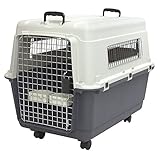
- EASY TRANSPORT FOR AIR TRAVEL: Designed for easy airport navigation, with smooth-rolling wheels for effortless airport transport and a built-in top carry handle for quick lifting through terminals, security checkpoints, loading areas, and in & out of the car—making it a convenient dog travel kennel and airline pet carrier for stress-free pet travel.
- COLLAPSIBLE & EASY TO CLEAN: Conveniently separate the kennel into two pieces for compact storage when not in use. Cleanup is simple—wipe down with mild soap and water, or hose out for a thorough clean, keeping your pet’s travel crate fresh and hygienic.
- FITS LARGE DOGS: Designed for pets up to 28”L x 20”H; interior crate dimensions measure 28.75”L x 19.75”W x 21.5”H—ideal for large breeds like a Border Collie to stand, turn, and rest comfortably while traveling.
👜 Best Cat Carriers
1. Sherpa Original Deluxe Pet Carrier
- Best for: In-cabin airline travel
- Features: Mesh panels, locking zippers, rear pocket, seatbelt strap
- Pros: Soft, comfortable, airline-approved for in-cabin use
- Cons: Not suitable for aggressive chewers or large cats

- FITS ON OR UNDER SEATS: Our patented spring wire frame allows the rear end of the carrier to be pushed down several inches, easily fitting in cars and conforming to under-seat requirements of domestic rail travel
- PERFECT FOR TRAVEL: Features mesh panels for ventilation, escape-proof locking zippers, top and side entries for easy and comfortable loading, waterproof interior base, and a removable machine washable cozy base liner
- VERSATILE DESIGN: Can be carried by hand with the padded top handle, or over the shoulder using the included detachable carrying strap and integrated metal D-rings – whichever suits your comfort and convenience
2. Amazon Basics Soft-Sided Pet Carrier
- Best for: Budget-conscious cat owners
- Features: Adjustable shoulder strap, mesh sides, washable fleece pad
- Pros: Affordable, easy to carry, great for vet trips
- Cons: Light padding, zipper may wear over time

- Large soft sided carrier for keeping a pet comfortably contained when traveling or heading to the vet
- Removable, machine washable fleece pad; mesh ventilation panels provide comfortable air flow and visibility
- Front and top zippered openings for easy loading and access; connecting top handles and adjustable shoulder strap for convenient carrying
3. PetLuv Happy Cat Premium Soft Carrier
- Best for: Nervous cats who need extra space
- Features: Four mesh windows, seatbelt loops, plush interior
- Pros: Roomy, well-ventilated, feels more like a mini room
- Cons: Larger than standard carriers—may not fit airline guidelines

- ADJUSTABLE VISIBILITY WINDOWS: The PetLuv soft sided cat and dog carrier features 3 window modes with privacy flaps to create a fully open-access setup for home use, a breathable mesh environment for visibility, or a private, cozy interior for indoor, outdoor, and car travel
- LUXURY, ESCAPE-RESISTANT BUILD: Includes a 2″ plush removable pillow and double-stitched locking zippers pair with a rigid metal frame that holds shape better than wire-frame carriers during car travel and vet visits
- 4 EASY ACCESS DOORS: Top entry plus 3 side doors allow easier loading and removal at home, during travel, or vet visits, while also providing nearly all-around visibility for your pet
Tips for a Smooth Travel Experience
Even with the perfect travel crate or carrier, the journey can be stressful—especially for cats who aren’t used to being on the move. These tips will help your feline stay calm, comfortable, and safe throughout the trip.
1. Get Your Cat Acclimated Early
- Leave the crate or carrier open at home weeks before travel
- Place your cat’s favorite blanket or toys inside
- Offer treats inside the carrier to build positive associations
- Practice short “test trips” in the car to reduce fear on travel day
2. Keep It Clean and Comfortable
- Line the bottom with absorbent pads or a washable blanket
- Add a familiar-scented item, like your shirt or a worn towel
- Avoid overwhelming perfumes or sprays that may irritate your cat
3. Mind Food and Water Timing
- Feed 3–4 hours before travel to reduce the chance of nausea
- Offer water right before leaving (and during long trips, if needed)
- For longer journeys, consider a clip-on water bowl or travel dispenser
4. Use Calming Aids if Needed
- Try pheromone sprays like Feliway inside the crate/carrier
- Talk to your vet about natural supplements or mild sedatives
- Keep ambient noise low, or play soft music during car rides
5. Ensure Security at All Times
- Double-check that zippers, latches, and doors are fully secured
- Buckle the carrier/crate into the car seat using a seatbelt
- Never open the carrier while the car doors or windows are open
6. Know the Rules if You’re Flying
- Call your airline ahead of time to confirm pet travel policies
- Confirm if your carrier is in-cabin compliant or cargo-only
- Attach a travel tag with your contact info to the carrier/crate
Conclusion: Which Should You Choose?
When it comes to traveling with your cat, there’s no one-size-fits-all solution. The choice between a travel crate and a cat carrier ultimately depends on your specific needs: the distance you’re traveling, your cat’s personality, the mode of transportation, and how often you travel.
If you’re planning a long trip or airline travel, a durable, well-ventilated crate offers maximum security and comfort—especially for high-stress or lengthy journeys. On the other hand, if you’re heading to the vet or taking a short drive, a lightweight, soft-sided carrier may be the more convenient and cozy option for both you and your cat.
The most important factor? Your cat’s safety and comfort. Whether you go with a crate or carrier, preparing ahead of time, choosing a quality product, and introducing it gradually can make all the difference.
Crate or Carrier? Choose What’s Safest and Most Comfortable for Your Cat
Not all travel setups are created equal — and choosing the wrong one can mean extra stress for your cat (and you). Whether you’re heading to the vet or embarking on a road trip, knowing when to use a crate vs. a carrier can make all the difference.
Need help deciding what’s best for your feline traveler? Start here:
- Carrier comfort tips: How to Choose the Right Size Cat Carrier (Fit, Comfort & Travel Tips)
- Training for stress-free travel: How to Train a Cat to Go Into a Carrier: Stress-Free Tips That Actually Work
- For anxious cats: Best Calming Carriers for Vet Visits: Stress-Free Travel for Your Cat
- Veterinary travel guidance: Cornell Feline Health Center – Cat Travel Tips »
- Fear-free transport tips: Fear Free Happy Homes – Safe Travel With Cats »
- Not sure where to start? Check out our Complete Cat Travel Prep Checklist to make sure you’ve covered all the essentials.
- Looking for in-cabin airline-approved carriers? We’ve done the research. Browse our expert picks in Top 10 Airline-Approved Cat Carriers.
- Want to understand airline rules for pet travel? Visit the TSA Pet Travel Guidelines and your airline’s pet policy page to avoid last-minute surprises.
- Ready to shop? Explore our hand-picked, cat-approved gear in the sections above, or browse more highly rated options on Amazon Pet Travel Gear.
Pro Tip: For short vet visits or public transit, soft carriers are usually better. For longer road trips or crate-trained cats, a sturdy travel crate may offer more space and stability.
Choosing the right travel setup helps reduce anxiety, improves safety, and sets the stage for a calmer, more enjoyable trip — for both of you.
Now that you know the pros and cons of travel crates vs carriers, it’s time to make the best decision for you and your furry companion.
Disclaimer: The information provided on this site is for general informational purposes only. It is not intended as veterinary advice, diagnosis, or treatment. Always seek the guidance of a licensed veterinarian before making decisions about your pet’s health.
Results Disclaimer: Results may vary. Our recommendations are based on editorial research and do not guarantee specific outcomes.
Accuracy Notice: We strive to keep content accurate and up to date. However, always verify current information and consult a veterinarian for personalized guidance.

James Kim is the founder of SavingNineLives.com, a passion project dedicated to improving the lives of rescue cats through practical care tips, adoption guides, and heartfelt advocacy. Though not a veterinarian, James is a lifelong cat lover who collaborates with animal welfare volunteers, rescue shelters, and vet-reviewed sources to ensure accurate, trustworthy information. His mission is simple: to help cat parents make informed, compassionate decisions that support feline health and well-being.
When he’s not writing, James is busy fostering cats, volunteering at local shelters, and testing cat-friendly products to recommend only the best to readers. Every article on this site is carefully researched and reviewed to meet the highest standards for cat health content.
Experience: 10+ years of hands-on experience with rescue cats
Content Vetting: Collaborates with vet techs and rescue workers
Trust & Transparency: All products and advice are shared with affiliate disclosures and reader safety in mind
Follow James and the Saving Nine Lives journey as we help one rescue cat at a time.