
Top Multivitamins for Cats: Boost Your Feline’s Health Naturally
Last Updated on September 3, 2025 by James Kim
Affiliate Disclosure:
This post may contain affiliate links. If you click through and make a purchase, I may earn a small commission at no extra cost to you. As an Amazon Associate I earn from qualifying purchases. I only recommend products I believe bring genuine value. Thank you for supporting this site.
Note: This article is for informational purposes only and is not a substitute for professional veterinary advice. Always consult your vet for your cat’s specific needs.
Just like humans, cats require a balanced intake of essential vitamins and minerals to maintain optimal health. While high-quality commercial cat foods often meet basic nutritional standards, certain cats—especially seniors, picky eaters, indoor-only cats, and those on raw or homemade diets—can still develop nutritional gaps. This is where a high-quality multivitamin can make all the difference.
Whether your feline friend is slowing down with age, recovering from illness, or just not as playful as they used to be, the right supplement could help support their immune system, joint health, skin and coat quality, and overall vitality. But with so many products on the market, it can be tough to know which ones are truly effective—and which are just marketing fluff.
In this post, we’ll walk you through the top multivitamins for cats available today, explain what to look for in a supplement, and help you decide whether your cat might benefit from added nutritional support. Let’s dive in and boost your kitty’s health the smart way.
Does Your Cat Need a Multivitamin?
Not every cat requires a multivitamin—but for some, it can be a game changer. Cats are obligate carnivores, meaning their bodies rely heavily on animal-based nutrients to thrive. While many commercial cat foods are fortified to meet minimum dietary standards, those standards don’t always reflect the unique needs of individual cats.
Here are some signs your cat might benefit from a multivitamin:
- Low energy or lethargy
Your cat seems tired more often than usual and doesn’t show much interest in playtime or exploring. - Dull coat or flaky skin
A dry, thinning coat or persistent dandruff can signal a deficiency in fatty acids, vitamin E, or B-complex vitamins. - Poor appetite or picky eating
If your cat isn’t eating consistently or is on a restricted or homemade diet, they might be missing key nutrients. - Aging and senior cats
Older cats may have reduced nutrient absorption and benefit from extra support, especially for joints, digestion, and cognitive health. - Stress, illness, or recovery
During periods of stress or illness, a cat’s nutritional needs often increase. Supplements can support healing and immune function.
Additionally, some cats—especially those on raw or home-cooked diets—may lack specific nutrients like taurine, vitamin D, or certain trace minerals. Even cats eating commercial kibble or wet food can benefit from targeted supplementation if they have underlying conditions or breed-specific risks.
Pro Tip: Always consult your veterinarian before introducing a new supplement. They can run blood tests or dietary assessments to identify any specific deficiencies and prevent over-supplementation.
What to Look for in a High-Quality Cat Multivitamin
Not all cat vitamins are created equal. The pet supplement market is filled with products that vary widely in ingredient quality, formulation, and effectiveness. Choosing the right multivitamin isn’t just about grabbing the most popular bottle on Amazon—it’s about understanding what your cat truly needs and finding a product that delivers those nutrients in a safe, bioavailable form.
Key Nutrients to Look For:
- Taurine – An essential amino acid for heart health, vision, and immune function; cats cannot produce enough on their own.
- B-Complex Vitamins – Supports energy metabolism, nervous system function, and stress resistance.
- Vitamin A & E – Promote healthy skin, coat, and vision; also support immune response.
- Vitamin D3 – Helps with calcium absorption and bone health (note: not all commercial foods contain adequate levels).
- Omega-3 Fatty Acids (EPA & DHA) – Reduce inflammation, support brain and heart health, and improve coat shine.
- Probiotics or Digestive Enzymes (optional) – Help with nutrient absorption and gut health.
- Lysine – Commonly included for cats with respiratory issues or feline herpesvirus.
Delivery Form Options:
- Chews – Palatable and easy to give like a treat (great for picky eaters).
- Powders – Can be mixed into wet food; good for cats that dislike chews or tablets.
- Liquids or Gels – Ideal for older cats or those with dental issues.
- Capsules/Tablets – Best for precise dosing but may require hiding in food or a pill pocket.
Quality Assurance:
- NASC Seal (National Animal Supplement Council) – Look for this certification to ensure the product has been independently tested and meets high-quality standards.
- Veterinarian-Formulated or Recommended – Choose supplements developed with veterinary expertise.
- No Artificial Fillers, Dyes, or Preservatives – The fewer unnecessary additives, the better for your cat’s digestive and overall health.
Red Flags to Avoid:
- Vague or proprietary blends with no dosage transparency
- Overly high doses of fat-soluble vitamins (A, D, E) which can be toxic in excess
- Sugar-laden or flavor-enhanced formulas with unnecessary sweeteners
When you choose a multivitamin that aligns with your cat’s needs and lifestyle, you’re not just adding a product—you’re investing in their long-term health and vitality.
Top 7 Multivitamins for Cats (Product Roundup)
To save you time and guesswork, we’ve curated a list of the best cat multivitamins available today—backed by positive customer reviews, vet recommendations, and high-quality formulations. Whether your cat is a kitten, senior, or somewhere in between, there’s something on this list to support their unique health needs.
Each product below includes a quick overview, ideal use case, pros and cons, key ingredients, and a suggested price range.
1. VetriScience NuCat Multivitamin
- Best for: All life stages, especially active adult cats
- Key ingredients: Taurine, Omega-3s, B-complex, Vitamin A, E, and D
- Pros:
- Vet-formulated
- Tasty chewable tablets
- NASC certified
- Cons:
- Tablets are large for smaller cats (may need to break up)
- Available on: [Amazon]

- Multivitamin for Cats: These cat multivitamin chewable tablets are packed with 27+ essential nutrients, including vitamins, minerals, fatty acids, and antioxidants, to promote overall health and well-being
- Formulated by Vets: Multivitamin for cats designed to help fill nutritional gaps and provide daily support for heart, brain, immune, skin, and joint health
- Perfect for Cats at Any Stage: Designed for cats of all breeds and sizes, this feline multivitamin supports healthy aging by promoting energy, mood, and cellular health. It’s an ideal cat multivitamin supplement for homemade or raw diets to ensure your pet is getting balanced nutrition
2. Pet Naturals Daily Multi for Cats
- Best for: Budget-conscious cat parents looking for a daily supplement
- Key ingredients: 25+ essential nutrients including B vitamins and taurine
- Pros:
- Affordable
- Soft chews with good palatability
- No corn, wheat, or artificial ingredients
- Cons:
- Doesn’t contain Omega-3s
- Available on: [Amazon]

- Just the Good Stuff: Pet Naturals Daily Multi for cats is free of corn, artificial flavors, and wheat that may cause digestive upset.
- Includes 20 Essential Nutrients: Daily Multi is formulated by veterinarians and made with over 20 nutrients important to cat health that help fill nutritional gaps found in some commercial pet foods.
- Taurine for Cats: Daily Multi for cats includes taurine, an essential amino acid for cats that supports proper digestion, cardiac and immune system health, and eye function.
3. Zesty Paws Core Elements Multivitamin for Cats
- Best for: Overall wellness with added immune support
- Key ingredients: Lysine, taurine, CoQ10, Vitamin C, Omega-3s
- Pros:
- Chicken flavor cats love
- Includes antioxidants for immune health
- Grain-free formula
- Cons:
- Premium price point
- Available on: [Amazon]

- Eight Benefits in One Tasty Squeeze! – Zesty Paws 8-in-1 Multivitamin Cat Mousse is a supplement that targets eight areas of your pet’s health and well-being to keep them feeling their best.
- Real Results for Your Feline – The ingredients in this meow-worthy mousse supports your cat’s digestion, skin, coat, immune system, heart, brain, eye health, and antioxidant levels.
- Featuring Premium AlaskOmega Fish Oil – Includes Omega-3 fatty acid (with EPA and DHA fatty acids) to support immunity, skin and coat health, cognitive function, and cardiovascular support.
4. Nutramax Cosequin Multivitamin Chews
- Best for: Senior cats needing joint + vitamin support
- Key ingredients: Glucosamine, chondroitin, B12, folic acid
- Pros:
- Joint and multivitamin combo
- Backed by clinical research
- Trusted brand for senior pets
- Cons:
- Not suitable for young or very small cats
- Available on: [Amazon]

- Joint Health Supplement for Cats – Cosequin is the #1 veterinarian recommended retail joint health supplement brand▼.
- Contains Glucosamine for Cats – Cosequin contains glucosamine hydrochloride (FCHG49) and sodium chondroitin sulfate (TRH122). This unique combination of ingredients supports healthy joints.
- Tasty Chews for Daily Use – Cosequin comes in a tasty soft chew, making daily administration easy and convenient.
5. Rx Vitamins for Pets – Nutritional Support
- Best for: Cats with health issues or on vet-directed diets
- Key ingredients: Bioavailable B-complex, vitamin E, A, selenium
- Pros:
- Liquid form—easy for syringe feeding
- Professional-grade formulation
- Ideal for recovering or senior cats
- Cons:
- Must be dosed carefully
- Not palatable for all cats
- Available on: [Amazon]
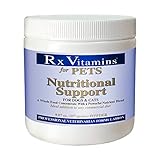
- Contains Antioxidants Like Superoxide Dismutase (Sod)
- Every Serving Provides A Wide Array Of Herbs
- Each Container Provides Over Nine Ounces Of Powder
6. Solid Gold SeaMeal for Cats
- Best for: Skin, coat, and digestive support
- Key ingredients: Seaweed blend, digestive enzymes, flaxseed
- Pros:
- Great for itchy skin and dull coats
- Whole-food-based
- Contains digestive enzymes
- Cons:
- Doesn’t contain full multivitamin spectrum
- Available on: [Amazon]
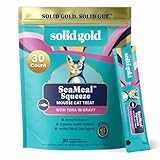
- Healthy Lickable Cat Snacks– The Solid Gold SeaMeal Squeeze cat treat has fiber-rich seaweed for gut health support & flaxseed for a healthy skin & coat. These creamy, lickable cat snacks are perfect cat squeeze treats for cats & kittens of all ages
- Limited Ingedient Cat Treats– Made with seaweed, these cat lickable treats deliver fiber, antioxidants & vitamins to support gut health, immune function & overall wellness. Great to use as a cat food topper for picky eaters or sensitive stomachs
- Creamy Puree Wet Cat Treats – These tasty cat snacks treats feature a delicious Tuna flavor in a squeezable cat tube that cats go wild for. Serve as a cat puree snack, cat toppers for wet or dry food, or cat lickable treats straight from the tube
7. Tomlyn High-Calorie Nutritional Gel
- Best for: Underweight cats, poor eaters, or post-surgery recovery
- Key ingredients: Calories, vitamins, omega-3s, and essential minerals
- Pros:
- High palatability
- Boosts energy and weight
- Excellent for syringe feeding
- Cons:
- Not for daily use in healthy cats
- Available on: [Amazon]

- Nutritional oral gel for cats who need extra calories and vitamins; ideal for sick or aging cats
- Appetite stimulant, calorie booster, weight gainer for cats refusing food; veterinarian recommended
- Nutri-Cal for cats high-calorie gel for extra energy; concentrated source of vitamins and minerals
Pro Tip: Always introduce new supplements gradually, and monitor your cat’s energy levels, digestion, and coat quality to assess effectiveness.
Natural vs. Synthetic Vitamins: What’s Better for Cats?
When browsing multivitamins for your cat, you may notice some are labeled as “natural” while others use synthetic or lab-made nutrients. Understanding the difference between these two sources can help you make a smarter, safer choice for your feline companion.
Natural Vitamins: Whole-Food–Derived
Natural vitamins are derived from real food sources—such as liver, fish oil, seaweed, or brewer’s yeast—and are often paired with naturally occurring cofactors that enhance absorption.
Benefits of natural vitamins:
- Easier for cats to absorb and utilize
- Typically gentler on the stomach
- Often include enzymes and antioxidants found in whole food
- Less likely to cause digestive upset or allergic reactions
Drawbacks:
- More expensive
- May be less concentrated than synthetic alternatives
- Shorter shelf life in some cases
Ideal for: Cats with sensitive stomachs, food allergies, or chronic health conditions.
Synthetic Vitamins: Lab-Formulated and Standardized
Synthetic vitamins are chemically created to mimic the structure of natural nutrients. These are widely used in commercial pet supplements and allow for precise dosing and consistent formulation.
Benefits of synthetic vitamins:
- Affordable and widely available
- Dosage is highly accurate
- Longer shelf life
- Often backed by clinical trials and veterinary use
Drawbacks:
- May contain artificial fillers, flavors, or colors
- Sometimes harder for cats to absorb
- Can cause toxicity if overdosed (especially fat-soluble vitamins like A or D)
Ideal for: Short-term use, targeted supplementation, or cats on restricted diets.
So, Which Is Better?
There’s no one-size-fits-all answer. The best vitamin for your cat is the one that meets their nutritional needs, is safe to use daily, and works with their body. Some of the top-rated supplements on the market combine both natural and synthetic sources to balance efficacy and affordability.
Tip: Watch out for vague labels like “proprietary blend” or “natural flavors” with no transparency. Always choose brands that list exact nutrient amounts and sources.
How to Choose the Right Multivitamin for Your Cat
With dozens of feline multivitamins on the market, choosing the right one can feel overwhelming. The key is to consider your cat’s age, health status, lifestyle, and current diet—then match those needs to a product with the right formulation, delivery method, and quality standards.
Age & Life Stage
- Kittens need extra support for growth, brain development, and immune defense. Look for DHA, taurine, and a full range of B vitamins.
- Adult cats benefit from a balanced daily multivitamin to support energy, metabolism, and organ health.
- Senior cats may need added joint support, antioxidants, and nutrients that promote heart, kidney, and cognitive health.
Health Conditions or Risk Factors
Consider a multivitamin tailored to specific conditions such as:
- Skin or coat issues → Choose one with omega-3s and vitamin E
- Joint stiffness or arthritis → Look for glucosamine, chondroitin, and MSM
- Digestive issues → Seek added probiotics or digestive enzymes
- Feline herpes or immune concerns → Opt for formulas with lysine, vitamin C, and antioxidants
Note: If your cat is on medication or has chronic conditions like diabetes, kidney disease, or heart problems, speak with your vet before adding supplements.
Your Cat’s Diet
- Raw-fed or homemade diets often lack certain vitamins (like taurine or vitamin D) and require strategic supplementation.
- Commercial kibble/wet food may already contain fortified nutrients, but absorption can vary—especially if your cat is a picky eater or has GI issues.
Preferred Form & Palatability
Choose a form your cat will actually tolerate:
- Chews – Best for treat-motivated cats
- Powders – Easily mix into wet food
- Liquids/Gels – Ideal for syringe feeding or picky eaters
- Capsules/Tablets – Good for precise dosing (but may require hiding in treats)
If your cat hates pills, a tasty chew or liquid formula can turn daily supplementation into a stress-free ritual.
Quality Markers to Look For
- NASC seal (National Animal Supplement Council)
- Transparent ingredient sourcing and dosage amounts
- Positive reviews from real cat owners and veterinarians
Sample Vet-Approved Supplement Routine:
For a senior indoor cat on a dry kibble diet with mild joint stiffness:
- Daily Multivitamin: VetriScience NuCat
- Omega-3 Supplement: Fish oil or SeaMeal
- Joint Support: Cosequin or a combined formula with glucosamine
Always introduce supplements one at a time and track any changes in your cat’s energy, coat, digestion, or mobility.
How to Safely Introduce a New Supplement
Cats are notoriously sensitive to changes in their routine—especially when it comes to food. Even the most beneficial multivitamin can cause problems if introduced too quickly or without proper planning. To help your cat transition smoothly, follow these safe and effective guidelines:
Start Low and Go Slow
Begin by giving your cat half the recommended dose for the first 3–5 days. This gives their digestive system time to adjust and reduces the risk of:
- Vomiting
- Diarrhea
- Loss of appetite
- Allergic reactions
Gradually increase to the full dosage over the course of a week, monitoring your cat’s response closely.
Mix with Food for Best Results
Most multivitamins work best when given with food, especially chews, powders, and gels. Here’s how to make it easier:
- Chews: Offer them like a treat after meals
- Powders: Stir into a spoonful of wet food or broth
- Liquids or gels: Use a syringe, or smear onto a paw (cats will often lick it off)
Tip: Always use high-value food (like tuna water or chicken broth) if your cat is hesitant.
Monitor for Reactions
For the first week, watch for:
- Changes in stool consistency
- Itchy skin or sneezing (signs of allergy)
- Lethargy or hyperactivity
- Refusal to eat
If anything seems off, discontinue the supplement and consult your vet immediately.
Stay Consistent
Supplements are not a quick fix—they work best when given consistently over time. Choose a regular time of day (morning with breakfast, for example) and stick to it.
To stay organized, use a supplement tracker or reminder app to log dosages and reactions.
Don’t Mix Too Many at Once
Avoid giving multiple new supplements at the same time. This can:
- Confuse you about which one is working (or causing issues)
- Increase the risk of nutrient overload
- Lead to interactions that affect absorption or effectiveness
Add one new supplement every 7–14 days at most, and always clear combinations with your vet.
Conclusion
When it comes to your cat’s long-term health, prevention is often better than treatment—and a well-chosen multivitamin can be a simple yet powerful way to fill nutritional gaps, support immunity, and promote energy, mobility, and coat health. Whether your cat is a curious kitten, an indoor adult, or a wise senior, the right supplement can help them thrive at every life stage.
Remember: not every cat needs a multivitamin, but many can benefit—especially those on limited diets, recovering from illness, or entering their golden years. The key is to choose a product that matches your cat’s unique needs, made with high-quality ingredients, and free from unnecessary fillers or harsh additives.
If you’re unsure where to start, our top pick is VetriScience NuCat Multivitamin—a vet-formulated, well-balanced supplement trusted by thousands of cat owners. But ultimately, the best supplement is one your cat will actually take consistently and that supports their individual health goals.
Final Tips:
- Always consult your veterinarian before introducing any new supplement
- Start slowly and monitor for side effects
Ready to Support Your Cat’s Health? Start Here.
Choosing the right multivitamin can make a world of difference in your cat’s energy, immune health, and longevity. Whether your feline friend is slowing down with age or just needs a little nutritional boost, a quality supplement is a smart step forward.
Explore our top recommended pick:
VetriScience NuCat Multivitamin on Amazon » (trusted by vets and cat owners alike)
Need professional guidelines?
Disclaimer: The information provided on this site is for general informational purposes only. It is not intended as veterinary advice, diagnosis, or treatment. Always seek the guidance of a licensed veterinarian before making decisions about your pet’s health.
Results Disclaimer: Results may vary. Our recommendations are based on editorial research and do not guarantee specific outcomes.
Accuracy Notice: We strive to keep content accurate and up to date. However, always verify current information and consult a veterinarian for personalized guidance.

James Kim is the founder of SavingNineLives.com, a passion project dedicated to improving the lives of rescue cats through practical care tips, adoption guides, and heartfelt advocacy. Though not a veterinarian, James is a lifelong cat lover who collaborates with animal welfare volunteers, rescue shelters, and vet-reviewed sources to ensure accurate, trustworthy information. His mission is simple: to help cat parents make informed, compassionate decisions that support feline health and well-being.
When he’s not writing, James is busy fostering cats, volunteering at local shelters, and testing cat-friendly products to recommend only the best to readers. Every article on this site is carefully researched and reviewed to meet the highest standards for cat health content.
Experience: 10+ years of hands-on experience with rescue cats
Content Vetting: Collaborates with vet techs and rescue workers
Trust & Transparency: All products and advice are shared with affiliate disclosures and reader safety in mind
Follow James and the Saving Nine Lives journey as we help one rescue cat at a time.