
Top Elevated Cat Feeders: Healthier Mealtime for Your Feline Friend
Last Updated on September 18, 2025 by James Kim
Affiliate Disclosure:
This post may contain affiliate links. If you click through and make a purchase, I may earn a small commission at no extra cost to you. As an Amazon Associate I earn from qualifying purchases. I only recommend products I believe bring genuine value. Thank you for supporting this site.
Note: This article is for informational purposes only and is not a substitute for professional veterinary advice. Always consult your vet for your cat’s specific needs.
If you’ve ever noticed your cat hunching uncomfortably while eating or throwing up right after meals, it might be time to rethink their feeding setup. Elevated cat feeders have grown in popularity among pet parents — and for good reason. These raised feeding stations not only look sleek and modern, but they also offer real health benefits for cats of all ages, especially seniors or those with joint or digestive issues.
By lifting food and water bowls off the ground, elevated feeders help align your cat’s body in a more natural, ergonomic position. This can reduce strain on the neck and spine, support smoother digestion, and even prevent whisker fatigue — a common but often overlooked discomfort caused by standard bowls.
In this guide, we’ll explore the best elevated cat feeders on the market right now, ranging from budget-friendly basics to premium, vet-recommended picks. Whether you’re dealing with a messy eater, an aging kitty, or just want to upgrade your home with a stylish cat bowl setup, you’ll find something here that both you and your feline will love.
Why Choose an Elevated Cat Feeder?
Elevated cat feeders aren’t just a trendy accessory — they offer several health and practical benefits that can make a noticeable difference in your cat’s daily comfort and mealtime experience. Below are the top reasons many vets and cat owners recommend switching to a raised feeder:
1. Improved Posture for Eating
When your cat eats from a bowl on the floor, it must crouch and bend its neck at an unnatural angle. Over time, this can lead to joint stress and posture problems — especially in older or arthritic cats. Elevated feeders bring the food closer to your cat’s natural standing height, promoting a healthier spine and neck alignment.
2. Better Digestion & Less Regurgitation
Cats that eat too quickly or while hunched over may swallow air with their food, leading to bloating, regurgitation, or vomiting after meals. Raising the bowl helps slow down feeding and encourages more mindful chewing, improving digestion and reducing post-meal discomfort.
Pro Tip: Pair an elevated feeder with a slow-feed bowl for maximum digestive support.
3. Joint & Neck Relief for Senior Cats
Older cats often suffer from arthritis, stiffness, or hip dysplasia. Elevated feeders reduce the need to stoop, making mealtime less painful and more accessible. This small change can significantly improve your senior cat’s quality of life.
Read more: Learn more in our guide to How to Adopt a Senior Cat: What You Need to Know
4. Cleaner Feeding Area
Because the bowl is raised off the floor, there’s less chance of food or water being spilled and tracked across the room. Some elevated feeders also come with splash guards or mess-catching platforms, which help keep your feeding station neat and hygienic.
5. Reduced Pest and Ant Invasion
Lifting food bowls off the ground can help reduce the likelihood of ants or other bugs crawling into your cat’s food, especially in warmer months or in humid environments.
What to Look for in an Elevated Feeder
With so many elevated cat feeders available, it’s important to know what features to prioritize based on your cat’s unique needs. From materials to height and functionality, the right feeder can make a big difference in comfort, cleanliness, and durability.
Here’s what to consider before making a purchase:
1. Height and Size
Not all cats are the same size — and neither are elevated feeders. Choose a feeder that positions your cat’s bowl at chest level when standing or sitting. If your cat is still growing or you have multiple cats of different sizes, opt for an adjustable-height feeder that can adapt over time.
Tip: Senior or arthritic cats often benefit from slightly higher feeders to reduce neck strain.
2. Material Quality & Safety
Cats eat from their bowls every day, so you’ll want materials that are both durable and non-toxic:
- Stainless steel: Hygienic, rust-resistant, and dishwasher-safe.
- Ceramic: Heavy, stylish, and less likely to harbor bacteria, but breakable.
- BPA-free plastic: Lightweight and affordable, but can wear down or scratch easily over time.
Look for food-grade, vet-safe materials and avoid feeders with sharp edges or painted finishes that might chip.
3. Ease of Cleaning
A dirty bowl can breed bacteria and cause health problems. Choose feeders with removable bowls that are dishwasher-safe for easy daily cleaning. Avoid designs with tight corners, glued seams, or hard-to-reach crevices where food and moisture can get trapped.
4. Non-Slip Base or Weighted Bottom
Some cats like to nudge or paw at their bowls. A good elevated feeder should stay firmly in place during mealtime. Look for rubber feet, anti-slip pads, or weighted bases to prevent tipping and sliding.
5. Aesthetic & Home Compatibility
Let’s face it — your cat’s feeder is going to sit out in your kitchen or living room every day. Luckily, many modern elevated feeders come in sleek, stylish designs that complement your décor. Whether you prefer minimalist bamboo, ceramic chic, or industrial stainless steel, there’s a feeder that matches your taste and your cat’s needs.
6. Single vs. Dual Bowls
Some elevated feeders include two bowls — one for food and one for water — which is convenient for tight spaces or feeding two cats side-by-side. Others come as single-bowl units, ideal if you already use a separate water fountain or have cats on different diets.
With the right elevated feeder, you’re not just buying a bowl — you’re investing in your cat’s comfort and long-term health. In the next section, we’ll highlight our top picks based on quality, price, style, and specific needs like senior care or multi-cat households.
Best Elevated Cat Feeders (Top Picks)
Whether you’re looking for a stylish ceramic option or a functional dual-bowl setup for a senior cat, the right elevated feeder can transform your cat’s mealtime routine. Below are our top picks, handpicked for comfort, style, and long-term durability.
1. Best Overall: Funkeen Stainless Steel Elevated Double Diner
Why We Love It:
This budget-friendly elevated feeder from Frisco checks all the boxes — durable, easy to clean, and perfect for both food and water. The stainless steel bowls sit snugly in a raised black base that’s modern but subtle.
- Material: Stainless steel bowls, plastic base
- Height: ~4 inches
- Ideal for: Most adult cats
- Pros: Dishwasher-safe, slip-resistant, affordable
- Cons: Fixed height, basic aesthetics
“Solid choice for everyday feeding. Great for cats who vomit after eating too fast.”
No products found.
2. Best for Senior Cats: JOYOPAW Elevated Bamboo Feeder
Why We Love It:
Made from premium, eco-friendly bamboo, this elevated feeder is perfect for older cats needing joint support. It includes two shallow stainless steel bowls to reduce whisker fatigue and pressure on stiff necks or joints.
- Material: Bamboo stand, stainless steel bowls
- Height: 4 or 6 inches (selectable)
- Ideal for: Senior or arthritic cats
- Pros: Non-toxic finish, anti-slip feet, elegant design
- Cons: Higher price point, wood may need occasional oiling
Perfect match for cats over 10 who need a gentler feeding angle.

- A Big Mess or Noisy? Weights 4 lbs and equipped with upgraded screws, our elevated dog bowl stand prevent naughty dogs from knocking bowls around and provides protection for your floors. The silicone mute gasket included which eliminated the impact sound when pets are eating
- Improve Health Status? JoyoPaw bamboo dog food stand provide ease of access to food and water which help to reduce bloating and neck strain in dogs. Encourage effective digestion and avoid joint pressure to protect your adorable friend
- Troublesome to Clean? Our raised dog bowl stand is made from bamboo which have high water resistance properties. Just wipe the dog feeders with rags, or rinse with water. 2 premium quality stainless steel food and water bowls for medium dogs are easy to clean and 100% dishwasher-safe. Set includes double bowls with 5 cup (40oz)
3. Best Budget Option: IRIS USA Elevated Feeder with Airtight Storage
Why We Love It:
A space-saving solution for multi-cat homes, this elevated feeder includes storage for dry kibble underneath the bowls. It’s functional, affordable, and especially great for feeding in tight spaces.
- Material: BPA-free plastic
- Height: 5–6 inches
- Ideal for: Budget-conscious buyers, cat parents with limited space
- Pros: Dual-purpose design, stores food, sturdy
- Cons: Plastic scratches over time, less stylish
Great for travel, small apartments, or secondary feeding stations.
No products found.
4. Most Stylish: Necoichi Raised Ceramic Cat Bowl
Why We Love It:
Minimalist design meets feline comfort. This Japanese ceramic bowl is vet-recommended for reducing vomiting and whisker stress. Plus, it’s microwave and dishwasher safe.
- Material: Porcelain ceramic
- Height: ~4 inches
- Ideal for: Design-conscious pet owners, cats prone to regurgitation
- Pros: Elegant look, shallow bowl, microwave-safe
- Cons: Single bowl, breakable if dropped
Blends in perfectly with modern kitchens while improving digestion.

- 【Design & Comfort】 This extra wide elevated cat food bowl helps reduce whisker fatigue and strain on your cat’s neck; ideal for flat-faced breeds and messy eaters, serving as whisker fatigue cat bowl which keeps food centered.
- 【Perfect Height & Size】 Necoichi’s largest raised cat bowls measures 6.1″ W x 4.13″ L x 1.18″ D with a 2.75″ leg height and 4.17″ base width, weighing 1.2 lbs. Making mealtime comfortable and stress-free for your cat.
- 【Stable & Non-Slip】 Includes removable non-slip silicone ring to keep pet food bowl in place; prevents tipping or sliding even with active or “pushy” eaters; spill-proof design.
5. Best Adjustable: FOREYY Adjustable Elevated Feeder
Why We Love It:
As your cat grows or develops new needs, this feeder grows with them. With adjustable legs, you can choose multiple height settings. It’s ideal for homes with cats of varying sizes or stages of life.
- Material: Bamboo frame, stainless steel bowls
- Height: Adjustable from 2.75″ to 7″
- Ideal for: Growing kittens, multi-cat households
- Pros: Flexible height, sturdy build, clean lines
- Cons: Takes up more space than single units
Adaptable design means one purchase lasts for years.
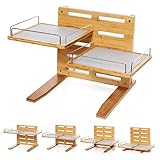
- 1.Two separate trays design makes it could feed two different size dogs. 2.Include two BPA-free silicone mat, the bowls does not slide easily. 3. You can place any kinds of bowls(the bowls are not included), such as stainless steel bowls, ceramic bowls and slow feeder bowls. (The diameter of the bowl should less than 9.5 inches).
- Increase The Height As Your Pet Grows: Unlike most other similar pet feeders on the market, the FOREYY raised dog feeder allows you to adjust the height according to your pet’s needs, making it an excellent solution for puppies and medium to large big size and/or senior dogs. With 5 different height levels (at 2.8″, 5.3″, 8″, 10.6″, 13.2″ from the ground), this deluxe, bamboo pet feeder will make sure you never need to buy another feeder again!
- Premium Quality Bamboo & Non-skid. This dog food stand is made from premium quality bamboo wood. And the dog feeders elevated with Non-skid feet make it stable and does not slide easily, it prevent your pet from sliding bowls around and provide protection for your floors.
Quick Comparison Table
| Feeder | Best For | Material | Adjustable |
|---|---|---|---|
| Funkeen Double Diner | Overall use | Steel/Plastic | ❌ |
| JOYOPAW Bamboo | Seniors | Bamboo/Steel | ❌ |
| IRIS Storage Feeder | Budget/Space | Plastic | ❌ |
| Necoichi Ceramic | Style & Vomiting | Ceramic | ❌ |
| FOREYY Adjustable | Growing Cats | Bamboo/Steel | ✅ |
Elevated Cat Feeder vs Regular Bowls – Which Is Better?
If you’ve been using traditional floor-level bowls for years, you might wonder if elevated cat feeders are truly necessary or just another pet trend. The truth is, both feeding methods serve a purpose — but elevated bowls offer several distinct advantages that can directly improve your cat’s health and feeding behavior.
Here’s a side-by-side comparison:
Regular Cat Bowls
Pros:
- Widely available and inexpensive
- Comes in a variety of materials and styles
- Suitable for kittens and young, healthy adult cats
Cons:
- Forces cats to crouch low, which may cause strain on the neck and spine
- May contribute to vomiting or fast eating due to awkward positioning
- Food is more easily scattered, leading to messy floors
- More accessible to insects, ants, and dust
Elevated Cat Feeders
Pros:
- Promotes better posture and reduces joint stress, especially in older cats
- Encourages smoother digestion by aligning the throat and stomach
- Keeps feeding area cleaner and more organized
- Helps prevent whisker fatigue with shallow, wide bowls
- Easier to clean underneath and around the feeder
- Looks more elegant and can blend into home decor
Cons:
- Slightly more expensive than traditional bowls
- Some models may be too high for small kittens or toy breeds
- Breakable if ceramic and not placed on a stable surface
Which One Should You Choose?
- If your cat is young, healthy, and agile, a traditional bowl might work fine — especially if placed on a non-slip mat.
- If your cat is older, has joint pain, vomits frequently, or eats too fast, an elevated cat feeder is a wise investment in their comfort and health.
- For multi-cat households, a combination of both may work best — with different feeder heights tailored to each cat’s needs.
Veterinarians often recommend raised bowls for aging cats, those with arthritis, or breeds with flat faces (like Persians) to ease mealtime discomfort.
In short, elevated feeders aren’t just a convenience — they’re a health-focused upgrade that can have a meaningful impact on your cat’s daily wellbeing.
Frequently Asked Questions (FAQs)
Do vets recommend elevated bowls for cats?
Yes — many veterinarians recommend elevated feeders, particularly for senior cats, flat-faced breeds (like Persians or Himalayans), and cats with arthritis. These feeders promote better posture and reduce neck and joint strain during meals. Elevated bowls are also helpful for cats prone to vomiting, as they encourage a more natural swallowing angle.
What height should an elevated cat bowl be?
Ideally, the food bowl should be at the same level as your cat’s lower chest when they are sitting or standing naturally. This typically ranges from 3 to 6 inches depending on the size of your cat. Adjustable feeders are a great option if you have multiple cats or are unsure of the perfect height.
Are elevated bowls safe for kittens?
Generally, yes — but they should be low-profile models or adjustable to ensure the height is appropriate. Elevated feeders can actually help train kittens to eat at a healthy pace, and they may grow into higher feeders as they age. Avoid very tall feeders for young kittens under 6 months.
Can elevated feeders help with vomiting or regurgitation?
In many cases, yes. Raised feeders allow for better alignment of the neck, esophagus, and stomach, which can help reduce air ingestion and promote smoother digestion. Cats that gulp food too quickly or vomit after meals often benefit from both elevated bowls and slow feeders.
How often should I clean elevated cat feeders?
You should wash your cat’s food and water bowls daily, regardless of height. Look for feeders with removable, dishwasher-safe bowls to make cleanup easy. Avoid feeders with tight seams or wooden parts that absorb moisture unless they’re sealed and maintained.
Do elevated cat feeders come in different designs?
Absolutely! From sleek ceramic bowls to natural bamboo platforms and modern stainless steel diners, there’s a raised feeder to match almost any aesthetic. Some are even built with food storage, slow-feed options, or double-bowl configurations for convenience and style.
Conclusion: Is an Elevated Cat Feeder Right for Your Cat?
If your cat struggles with vomiting, joint discomfort, or just seems uncomfortable during meals, switching to an elevated cat feeder could be one of the simplest ways to support their health. These feeders promote better posture, aid digestion, and make mealtimes cleaner and more comfortable — all while looking great in your home.
Whether you’re caring for a playful kitten, a senior feline, or a messy eater, there’s a raised bowl solution that fits your needs and your budget. From the adjustable FOREYY feeder for growing cats to the elegant Necoichi ceramic bowl for picky eaters, you’ll find plenty of options that combine function and style.
Better Posture, Less Mess, and Happier Bellies — Elevate Mealtime for Your Cat
Elevated feeders aren’t just trendy — they’re practical. Raising your cat’s food and water bowls helps reduce neck strain, supports digestion, and can make a big difference for senior cats or those with joint pain. It’s one of the simplest upgrades you can make to improve their daily health.
Want to create a more comfortable and cleaner mealtime? Start here:
- Still deciding on bowl type? Ceramic vs Stainless Steel Cat Bowls: Which Is Best for Your Feline Friend?
- Tackle messy eating habits too: Best Feeding Mats for Messy Eaters
- Got a fast eater? Best Slow Feeders for Fast-Eating Cats
- Expert advice on mealtime setup: Cornell Feline Health Center – Cat Nutrition & Feeding Tips »
- More tools for cat comfort: ASPCA – Cat Care Supplies Guide »
- Browse Our Full Guide to Cat Feeding Essentials
- Read: How to Help a Senior Cat with Joint Pain
- Explore: Top Products for Preventing Cat Vomiting
- Shop Elevated Cat Feeders on Amazon
- Find Vet-Recommended Feeders on Amazon
Pro Tip: For maximum comfort, choose a feeder height that aligns with the bottom of your cat’s chest while standing — and opt for non-slip bases and easy-to-clean materials.
A raised bowl is more than a style choice — it’s a wellness upgrade your cat will benefit from at every meal.
Disclaimer: The information provided on this site is for general informational purposes only. It is not intended as veterinary advice, diagnosis, or treatment. Always seek the guidance of a licensed veterinarian before making decisions about your pet’s health.
Results Disclaimer: Results may vary. Our recommendations are based on editorial research and do not guarantee specific outcomes.
Accuracy Notice: We strive to keep content accurate and up to date. However, always verify current information and consult a veterinarian for personalized guidance.

James Kim is the founder of SavingNineLives.com, a passion project dedicated to improving the lives of rescue cats through practical care tips, adoption guides, and heartfelt advocacy. Though not a veterinarian, James is a lifelong cat lover who collaborates with animal welfare volunteers, rescue shelters, and vet-reviewed sources to ensure accurate, trustworthy information. His mission is simple: to help cat parents make informed, compassionate decisions that support feline health and well-being.
When he’s not writing, James is busy fostering cats, volunteering at local shelters, and testing cat-friendly products to recommend only the best to readers. Every article on this site is carefully researched and reviewed to meet the highest standards for cat health content.
Experience: 10+ years of hands-on experience with rescue cats
Content Vetting: Collaborates with vet techs and rescue workers
Trust & Transparency: All products and advice are shared with affiliate disclosures and reader safety in mind
Follow James and the Saving Nine Lives journey as we help one rescue cat at a time.