
Supplies Checklist for Adopting a Rescue Cat
Last Updated on August 9, 2025 by James Kim
Affiliate Disclosure:
This post may contain affiliate links. If you click through and make a purchase, I may earn a small commission at no extra cost to you. As an Amazon Associate I earn from qualifying purchases. I only recommend products I believe bring genuine value. Thank you for supporting this site.
Note: This article is for informational purposes only and is not a substitute for professional veterinary advice. Always consult your vet for your cat’s specific needs.
Bringing a rescue cat into your home is a heartwarming and life-changing experience — but it’s also one that requires thoughtful preparation. Just like people, cats feel safest when their environment is welcoming, predictable, and filled with essentials that meet their needs. A well-prepared home can make all the difference in helping your new feline friend adjust smoothly, reducing the stress of transition and building a foundation of trust from day one.
Before your cat even steps paw into your living space, having the right supplies on hand shows them that they’re safe, loved, and cared for. It’s not just about making life easier for you — it’s about creating an environment where your cat can thrive emotionally, physically, and mentally. From cozy beds to scratching posts and nutritious food, every item on your checklist plays an important role in your new cat’s comfort and happiness.
In this guide, we’ll walk you through a complete supplies checklist tailored specifically for rescue cats. Whether you’re a first-time cat adopter or looking to refresh your knowledge, this resource will help you feel confident, organized, and ready to welcome your new companion with open arms — and a fully stocked home.
Why Preparing Ahead Matters
Adopting a rescue cat is more than just bringing home a pet — it’s welcoming a new family member who may have faced uncertainty, trauma, or frequent changes in their past. For this reason, preparing ahead with the right supplies isn’t just practical; it’s an act of compassion that can profoundly impact your cat’s ability to adjust, feel secure, and begin to bond with you.
According to American Humane, being fully prepared with the right supplies before your cat comes home helps ease the transition and reduces stress for both of you.
Easing Your Cat’s Transition Into a New Environment
Moving into a new space can be overwhelming for any cat, but especially for one that has lived in shelters, foster homes, or uncertain conditions. Having familiar comforts like a cozy bed, toys, scratching surfaces, and a designated litter area from the very first moment helps your cat start to feel at home. A structured, predictable environment provides a sense of security that can ease anxiety and prevent behaviors like hiding, refusing food, or excessive vocalization.
Reducing Stress and Potential Behavior Issues
Stress can cause cats to act out in ways that might be mistaken for “bad behavior” — things like scratching furniture, refusing to use the litter box, or becoming withdrawn. Often, these behaviors are simply signs of fear or confusion. Setting up a well-equipped, cat-friendly environment in advance minimizes these stress triggers. A prepared home gives your cat the confidence to explore, relax, and start showing their true personality sooner rather than later.
Building Immediate Trust and Comfort
First impressions matter, even with cats. By offering a space that meets their needs from the beginning — a quiet sanctuary room, easy access to food and water, a clean litter box, and enrichment toys — you send a powerful message: “You are safe here. You are home.” This early investment in their comfort can significantly speed up the bonding process, helping your cat learn to trust you and view you as a source of stability and love.
In short, a little preparation goes a long way. It sets both you and your cat up for a smoother, happier start together — and lays the groundwork for a deep, rewarding relationship that can last a lifetime.
Essential Supplies for Your New Rescue Cat
Setting your rescue cat up for success begins with having all the right supplies ready before they arrive. Each item plays a role in providing safety, comfort, and enrichment — all critical for helping your new cat feel secure in their unfamiliar surroundings. Here’s a detailed look at the must-have supplies you’ll need:
“Stock up on supplies before the cat arrives… the cat will need a litter box, cat litter, food and water bowls, food, scratching posts …” — American Humane
1. Food and Water Essentials
Food and hydration are at the heart of your cat’s well-being.
- High-Quality Cat Food: Choose a nutritionally balanced diet appropriate for your cat’s age (kitten, adult, or senior) and health needs. Wet food is often more hydrating, while dry food offers convenience — many owners opt for a combination. If possible, ask the rescue organization what food your cat is currently eating to ease the transition.
- Food and Water Bowls: Stainless steel or ceramic bowls are best because they’re easy to clean and don’t harbor bacteria like plastic can. Consider a wide, shallow dish for food to avoid whisker fatigue, and ensure fresh water is always available.
- Learn which bowl materials are safest for your cat in our Ceramic vs Stainless Steel Cat Bowls guide.
Amazon Recommendation:
- Van Ness Stainless Steel Non-Skid Cat Bowls (Set of 2) – Easy to clean and tip-resistant.

- Shallow saucer style non-skid bowl, ideal for cats
- Made from high grade, high polished, hygienic stainless steel with easy to clean finish
- Safe for pets & environment, BPA free.
Read more: at SAFE Haven for Cats for enrichment tips, cat toys and food puzzles.
2. Litter Box Setup
Cats are naturally clean creatures, and having the right litter setup will help prevent accidents and encourage good bathroom habits.
- Litter Box: A general rule is one litter box per cat, plus one extra. Choose an uncovered box for easier access unless your cat prefers covered spaces.
- Cat Litter: Whether it’s clumping, non-clumping, clay, or natural, the key is consistency. Start with the type your cat is used to and gradually introduce any changes if needed.
- Litter Scoop and Waste Bags: Daily scooping is crucial to maintain cleanliness and prevent odors. Keep a small waste bin with a liner nearby for easy disposal.
“It is best to have one box per cat, plus one extra box… a box should be provided on each floor.” — Chewy Cat Adoption Checklist
Amazon Recommendation:
- IRIS USA Large Hooded Litter Box with Scoop – Spacious and enclosed for odor control.
- Dr. Elsey’s Ultra Premium Clumping Cat Litter – Low dust and excellent for multi-cat households.

- ODOR CONTROL: The easy access flap door seals in odors and keeps particles from spilling onto the floor, ensuring they don’t infiltrate your home and keeping the area neat and clean.
- ENCLOSED PRIVACY: The 9.25″W x 9″H wide door opening allows your cat access while ensuring a private, enclosed space for comfort and security.
- PORTABLE CONSTRUCTION: Equipped with a carrying handle and secure buckles for easy transportation while litter box is emptied.

- PREMIUM QUALITY: A combination of premium texture and granule size made with 100% bentonite clay for maximum clumping creates litter particles that are just the right size.
- LOW DUST: Ideal for cats and owners who suffer from allergies with a 99.9% dust-free and hypoallergenic litter formulation.
- HARD CLUMPING: Hard clumping medium grain clay helps prevent moisture from reaching the bottom of the tray and forms hard clumps that won’t break down, making it easier to scoop.
Read more: Check out our post onTop Cat First Aid Kits for more home preparation tips and Petfinder’s Cat Adoption Checklist for broader hygiene tips.
3. Sleeping and Comfort Items
A tired cat is a happy cat — and providing comfortable places to rest will make your home feel like theirs.
- Cozy Cat Bed: Offer a plush bed or two in quiet, low-traffic areas. Some cats prefer donut-shaped beds for curling up, while others like flat pads.
- Soft Blankets: Blankets placed in hidey-holes or beds can help your cat feel extra secure. Familiar scents can also be comforting during the adjustment period.
- Hiding Spots: Enclosed beds, cat caves, or even cardboard boxes offer vital “safe spaces” where your cat can retreat when feeling overwhelmed.
- If your rescue cat seems anxious, our Best Calming Beds for Stress-Prone Cats guide may help.
Amazon Recommendation:
- Best Friends by Sheri Calming Donut Cat Bed – Cozy, calming, and ideal for new rescues.

- Donut Dog Bed: Calming, deep, round shape gives pups a sense of security for cozy, restful naps
- Perfect Size: Medium (30″ x 30″) with a 23″ sleeping surface, roomy enough for medium breeds up to 45 lbs
- Soft & Plush: Shag faux fur keeps pups snuggly warm for dreamy, peaceful sleep and blends beautifully with any décor
4. Grooming Tools
Even short-haired cats benefit from regular grooming to maintain healthy coats and reduce shedding.
- Brush or Comb: Choose a grooming tool suited for your cat’s fur type — slicker brushes work for long-haired cats, while rubber grooming mitts are great for short-haired breeds.
- Nail Clippers: Regular nail trims protect your furniture (and your skin!) from accidental scratches. Start slowly and make nail trimming a positive experience.
- Cat-Safe Shampoo: Baths aren’t usually necessary for most cats, but having a gentle, cat-specific shampoo on hand can be helpful for unexpected messes or skin conditions.
- We cover must-have grooming gear in our Cat Grooming Tools You Actually Need guide.
Amazon Recommendation:
- Hertzko Self-Cleaning Slicker Brush – Gentle on fur and easy to clean.

- Efficient Grooming: Self cleaning dog and cat brushes removes loose hair, tangles, and debris effortlessly; fine bristles are suitable for grooming both long and short-haired pets for shedding control
- Convenient Cleanup: The dog brush for long haired dogs feature a push-button retraction mechanism; easily retract the bristles for a quick, easy fur removal after each grooming session
- Pet Brush for Shedding: Angled bristles efficiently detangle and remove shedding fur while massaging your pet’s skin; ideal dog grooming brush for shedding, promotes healthier coat with regular use
Read more: at Daily Paws for brushing tips and coat care.
5. Scratching Essentials
Scratching is natural and necessary for cats — it helps them stretch, mark territory, and keep claws healthy.
- Scratching Posts or Pads: Place several throughout your home. Vertical and horizontal options allow your cat to pick their preferred scratching angle.
- Cat Trees or Towers: Multi-level cat trees provide both scratching surfaces and vertical territory, which is important for cats to feel safe and confident.
“Cats like to have a high, safe place to settle in… find one that’s tall and sturdy.” — Daily Paws
Amazon Recommendation:
- SmartCat Ultimate Scratching Post – Durable, tall, and perfect for vertical scratching.

- DURABLE SISAL: A durable sisal fiber design ensures the SmartCat Ultimate Scratching Post will stand up to your cat’s claws, less snagging like carpet or furniture fabrics.
- TALL AND STRONG: The sturdy design of the scratching tower allows kittens and cats of all sizes to fully stretch when they scratch.
- GOODBYE CLAW MARKS: Satisfy your indoor cat’s natural urge to scratch and protect your furniture while your cat gets in their exercise and stress relief.
6. Safety and Identification
Even indoor-only cats should have proper ID in case of an accidental escape.
- Breakaway Collar with ID Tag: Choose a collar designed to break loose if snagged, and include an ID tag with your phone number.
- Microchipping: If your cat isn’t already microchipped, schedule this with your vet. It’s a permanent, reliable form of identification that can save lives.
Amazon Recommendation:
- Reflective Breakaway Cat Collar with ID Tag – Breakaway safety buckle and personalized ID option.

- NO-NOISE IDENTIFICATION] Features a slide-on stainless steel ID tag that stays flat against the webbing. No more annoying jingles hitting the food bowl or waking you up at 3 AM
- [PERMANENT LASER ENGRAVING] Custom name and phone number are deeply laser-engraved. Unlike dangling tags that fall off or fade, this ID is a permanent lifesaver for your cat
- [QUICK-RELEASE SAFETY BUCKLE] Engineered with a reliable breakaway clasp that snaps open under tension, preventing choking if your curious feline gets snagged on a fence or tree
7. Travel and Transportation
Getting your cat to and from the vet — and home on adoption day — requires the right gear.
- Sturdy Cat Carrier: Choose a secure, top-loading carrier for easier handling, especially during vet visits. Line it with a soft towel or blanket for comfort.
- Seat Belt Harness (Optional): For those who prefer extra security during car rides, a cat seatbelt harness can keep your cat safely restrained.
- Choosing a safe, comfortable carrier is essential. Read our guide to the Best Airline-Approved Cat Carriers covers durable, vet-recommended models for more information.
Amazon Recommendation:
- Petmate Soft-Sided Cat Carrier with Shoulder Strap – Comfortable and easy to transport to the vet or new home.

- SOFT SHELL PET CARRIER: Zippered openings top-loading door allows for easy pet access The small dog and cat carrier is lightweight with a carrying handle adjustable shoulder strap
- PET COMFORT: The soft travel kennel has mesh walls for greater visibility air flow Comes with soft plush pad for comfort during travel Includes exterior pocket sleeve for treats, leashes other necessities
- KENNELS HOUSES: Crate kennel training is vital for dog safety comfort We provide traditional travel carriers, wire training exercise kennels, play pens, barn-style dog houses more. Ideal for in cabin airrline or for general travel
8. Toys and Enrichment
Playtime isn’t just fun — it’s critical for mental stimulation, physical exercise, and strengthening your bond.
- Wand Toys and Interactive Games: Engage your cat’s hunting instincts with wand toys, feather teasers, and laser pointers.
- Balls, Catnip Toys, and Mice: Small toys encourage independent play and help reduce boredom.
- Puzzle Feeders: Encourage problem-solving skills and slow down mealtime for enrichment and digestion benefits.
- See our picks for Best Feather Wands for Playtime to encourage exercise and bonding.
“Get a variety of toys that keep your cat entertained like an assortment of balls, feather toys, pole toys, mice and more.” — SAFE Haven for Cats
Amazon Recommendation:
- Youngever 24-Pack Cat Toys Variety Set – A great starter kit to find what your cat likes.

- CAT TOYS GREAT VALUE – 7 pcs cat toys with 5 Refillable Catnip Fish Cat Toys and 2 Catnip Fur Mouse Cat Toys, Extra Catnip for Refill.
- SIZE – Length varies from 7.5 inch to 8.6 inches. Perfect size for bite and carry.
- MATERIAL – Made of quality plush fabric, filled catnip, non-toxic, safe to use. 100% catnip inside. Each fish toy has zipper for catnip refill.
Proper preparation makes a world of difference for your new cat’s health, happiness, and emotional security. Having these essentials ready before they arrive ensures a smoother, less stressful transition — for both of you!
Optional But Helpful Supplies
While the essentials are non-negotiable, there are additional supplies that, while not strictly necessary, can significantly enhance your cat’s comfort, well-being, and daily enrichment. Depending on your home, lifestyle, and your new rescue cat’s specific needs, you may want to consider adding some of these helpful extras.
Cat Water Fountain
Cats are instinctively drawn to running water — it’s fresher and more appealing to them than stagnant water bowls. A water fountain can encourage your cat to drink more frequently, promoting better hydration and supporting urinary tract health, which is crucial, especially for male cats or older cats prone to kidney issues.
Amazon Recommendation:
- Veken Automatic Cat Water Fountain – Keeps water fresh and encourages hydration.

- Award-winning product: Veken is proud to be a 2023 Category Winner of the Pet Innovation Awards, an honor given to only the most forward-thinking products within the rapidly expanding Pet industry.
- High-quality: Made of food-grade plastic materials, with all water-contact parts BPA-free. Durable, easy to operate and clean. The water-level window and blue LED light attract pets and make monitoring water levels simple. A convenient switch on the cord lets you easily turn the light on or off.
- Two flow designs: The Veken Pet Fountain has 2 modes: flower waterfall (faucet drinking) and the gentle fountain. The water streaming down the petals of the flower on the fountain will draw your pets attention and encourage animals to drink more often.
Window Perches or Cat Shelves
Cats love to observe the world from a safe vantage point. Window perches or mounted cat shelves give your feline a designated lookout spot to watch birds, squirrels, and the great outdoors from the comfort of their new home. These vertical spaces also offer mental stimulation and make small living areas feel larger and more cat-friendly.
Amazon Recommendation:
- K&H EZ Mount Window Perch – Secure suction-mount with washable cover.

- CAT WINDOW HAMMOCK: K&H EZ Mount Window Bed kitty sill hammock offers your cat comfort while sunbathing and viewing the outdoors
- CAT FRIENDLY: Cat bed has an open top for easy access and provides a safe and private cat space
- STRONG & STURDY: Industrial-strength EZ Mount suction cups hold up to 50 lbs. and installs in seconds on glass windows or doors; remember to clean your window and suction cups monthly to ensure a tight seal (see window cleaning image)
Calming Diffusers (Like Feliway)
The transition to a new home can be stressful, even with preparation. Pheromone diffusers like Feliway release synthetic calming scents that mimic the natural facial pheromones cats use to mark safe spaces. These diffusers can help reduce signs of anxiety, like hiding, hissing, or inappropriate scratching, making the adjustment period easier for nervous cats.
Amazon Recommendation:
- Feliway Classic Cat Calming Diffuser Kit – Clinically proven to reduce stress and promote calm.

- HELPS REDUCE CAT STRESS: FELIWAY Classic is a cat calming diffuser that helps individual cats feel calm and reduce stress behaviors like scratching, urine spraying, and hiding
- CREATES A CALMING HOME ENVIRONMENT: FELIWAY Classic uses calming pheromone messages that cats naturally understand to help them feel comfortable and safe during everyday changes in routine or environment. 9 out of 10 cat parents noticed reduced urine spraying and 8 out of 10 saw reduced scratching
- SAFE* AND NON-SEDATING: FELIWAY Classic is not a sedative. It’s safe for use around cats, kittens, people and other pets.
Interactive Feeders or Treat Puzzles
Mental stimulation is just as important as physical play. Treat-dispensing puzzles and slow-feeder bowls engage your cat’s natural hunting instincts and provide healthy, enriching challenges during mealtime. These are especially helpful for high-energy cats or those left alone during work hours.
Amazon Recommendation:
- Catit Senses 2.0 Digger Interactive Feeder – Encourages slow eating and mental stimulation.
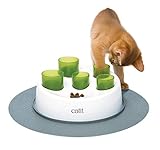
- Fun Mealtime: With this slow feeder, your cat’s natural urge to hunt will emerge playfully and naturally! The Catit Senses Digger has a stable base with vivid green cups to fill with your cat’s favorite dry food or treats.
- Stimulates Natural Behavior: Features multiple tubes that stimulate natural pawing behavior in a fun manner. Designed to help greedy eaters eat at a healthier pace, and ideal for use with dry kibble and treats.
- Additional Features: Rubber mat secures the cat bowl into place to prevent tipping. Made from BPA-free materials.
Pet Camera for Monitoring While Away
If you’re away from home for long hours, a pet camera can provide peace of mind. Some models allow two-way communication so you can talk to your cat, dispense treats, or even play laser games remotely. While not necessary, it’s a useful tool for staying connected and ensuring your new family member is safe and comfortable.
Amazon Recommendation:
- eufy Security Indoor Pet Camera with Two-Way Audio – Real-time alerts and crystal-clear video.

- Knows Who’s There: The on-device AI instantly determines whether a human or pet is present within the camera’s view.
- The Key is in the Detail: View every event in up to 2K clarity (1080P while using HomeKit) so you see exactly what is happening inside your home.
- Communicate From Your Camera: Speak in real-time to anyone who passes via the camera’s built-in two-way audio.
Other Comfort Enhancements
- Heated Cat Beds: Especially useful in colder climates or for senior cats who may suffer from arthritis.
- Cat Strollers or Backpack Carriers: For adventurous owners who want to gradually introduce their cats to the outdoors safely.
- Automatic Litter Box Systems: A more advanced (and pricier) upgrade for convenient litter maintenance if you have a busy schedule.
While these optional items aren’t mandatory, they can significantly boost your cat’s quality of life and make your home even more welcoming. Choose what fits your lifestyle, your cat’s personality, and your budget — and remember, even small enhancements can make a big difference in your rescue cat’s happiness and adjustment.
Preparing Your Home
Before your rescue cat walks through the door, preparing your living space is one of the most important steps you can take to ensure a smooth transition. Cats are highly sensitive to their environment, and a thoughtfully set-up home will help them feel secure, reduce stress, and allow their true personalities to shine over time.
Here’s how to get your home ready:
Cat-Proofing Basics
Just like you would child-proof a house for a toddler, it’s crucial to cat-proof your home before your rescue cat’s arrival.
- Secure Cords and Wires: Loose cords, especially from blinds, chargers, and electronics, can be tempting (and dangerous) chew toys. Bundle and tuck them away using cord protectors.
- Remove Toxic Plants: Many common houseplants — like lilies, pothos, and philodendrons — are toxic to cats. Research your plants ahead of time and remove or relocate any dangerous varieties.
- Check for Small Objects: Pick up rubber bands, hair ties, paper clips, and any small objects that could be swallowed and cause choking or intestinal blockages.
- Lock Away Cleaning Supplies and Medicines: Store chemicals, cleaners, and medications securely, ideally in cabinets with childproof latches.
A safe environment gives your new cat the confidence to explore and relax without unnecessary risks.
Creating a “Sanctuary Room”
One of the best ways to ease your rescue cat’s adjustment is by setting up a single, quiet room where they can acclimate gradually.
- What to Include: Place their food, water, litter box, scratching post, toys, and a cozy bed all within this room.
- Quiet Space: Choose a low-traffic area of your home, like a spare bedroom, office, or quiet corner of your living room. Minimize loud noises and foot traffic.
- Hiding Options: Add cardboard boxes, enclosed beds, or soft blankets where they can retreat if feeling overwhelmed.
Starting in a smaller, controlled environment helps your cat build confidence before slowly introducing them to the rest of the house.
Setting Up Feeding, Sleeping, and Litter Stations
Cats thrive on predictability and routine, so it’s smart to establish consistent spots for their key activities:
- Feeding Station: Keep food and water in a calm, low-traffic area. Avoid placing food and water directly next to the litter box — cats prefer some distance between their dining and bathroom areas.
- Sleeping Spots: Offer multiple options for resting — some elevated, some enclosed — so your cat can choose where they feel most secure.
- Litter Box Placement: Quiet, easily accessible areas are ideal. Avoid placing litter boxes next to noisy appliances like washing machines or heaters.
Consistency helps reduce confusion and stress during the adjustment period.
Preparing Family Members and Other Pets
If you live with others — especially children or other pets — preparation is just as important for them as it is for your new cat.
- Teach Respectful Interaction: Explain to children that the cat may need space and quiet time to feel safe. Supervise early interactions closely.
- Slow Introductions with Other Pets: If you have other animals, plan for gradual, scent-based introductions before any face-to-face meetings. Keep interactions calm and positive.
- Set Realistic Expectations: It may take days, weeks, or even months for a rescue cat to fully settle in. Patience and understanding go a long way.
Preparing your home thoughtfully not only ensures your rescue cat’s safety — it shows them from day one that they are truly welcomed, respected, and loved. Creating a secure, cat-friendly environment lays the foundation for a happy and lasting relationship.
Post-Adoption Shopping Tips
Even with the best preparation, you’ll likely learn a lot about your rescue cat’s preferences and needs in the first few weeks. That’s completely normal — and part of the joy of getting to know your new companion! Here are some smart shopping and adjustment strategies to help you navigate the early days and avoid unnecessary stress or spending:
Start With the Basics First
It’s tempting to stock up on every adorable toy, bed, and gadget you see — but it’s smarter (and more cost-effective) to begin with the essentials outlined in your original checklist.
- Observe your cat’s preferences: Some cats prefer soft beds, while others love hard surfaces. Some love wand toys; others love small mice they can bat around.
- Prioritize must-haves: Focus first on food, litter, scratching surfaces, a carrier, and basic toys. You can always add more items as you get a better sense of your cat’s likes and dislikes.
- Don’t forget a pet first aid kit—our Top Cat First Aid Kits article lists the most complete options.
Look for Vet-Recommended Brands
When it comes to food, treats, litter, and grooming supplies, it’s wise to start with products that are veterinarian-recommended or highly reviewed for safety and quality.
- Food and Treats: Consult your veterinarian about food choices, especially if your rescue cat has special dietary needs (e.g., sensitive stomach, dental issues, age-specific nutrition).
- Litter: Some cats have sensitivities to heavily scented litters. Unscented, low-dust options are generally a safe starting point.
- Flea/Tick and Deworming Products: Only use vet-approved preventatives — not all over-the-counter options are safe for every cat.
Budget for Recurring Supplies
Adopting a cat isn’t just a one-time expense; some costs will become part of your monthly budget.
- Ongoing Expenses: Food, litter, flea/tick preventatives, toys, grooming tools, and vet care will all be recurring costs.
- Emergency Fund: If possible, start a small savings account for unexpected veterinary expenses. Even a little each month can be a big help later.
- Insurance: Consider pet insurance for added peace of mind, especially for young cats or breeds prone to genetic conditions.
Subscription Services for Convenience
Many online retailers (like Chewy, Amazon, and Petco) offer subscription services for pet supplies.
- Auto-Delivery Discounts: Save money and time by setting up automatic deliveries for items you’ll always need, like food, litter, and flea prevention.
- Customization Options: You can easily adjust delivery frequencies based on how quickly your cat goes through supplies.
- Bonus Tip: Some services allow you to combine subscription savings with manufacturer coupons for additional discounts.
Avoid Overwhelming Your New Cat
While it’s exciting to shower your cat with toys and treats, introducing too many new things at once can be overwhelming.
- Introduce Slowly: Rotate toys rather than presenting a pile all at once. This keeps your cat engaged and prevents overstimulation.
- Scent Matters: Your home already smells strange to a new cat — minimizing “new smells” from too many fresh beds, blankets, and toys at once can help reduce sensory overload.
Shopping wisely after adoption isn’t about cutting corners — it’s about being thoughtful, observant, and responsive to your new cat’s emerging personality. Taking a “less is more” approach at first helps your cat settle in while giving you room to tailor future purchases to their unique tastes and needs.
Read more: at American Humane’s checklist and Vaccines Your Rescue Cat Needs.
Conclusion
Welcoming a rescue cat into your home is a truly special experience — one built on love, patience, and understanding. Preparing ahead with the right supplies not only makes the transition smoother for your new feline friend, but it also sends a clear, heartfelt message: You are safe. You are home.
From providing nutritious food and cozy resting spots to offering enrichment through toys and scratchers, every item on your checklist plays an important role in helping your cat adjust to their new life. Remember, your cat may be nervous at first, and that’s okay. With a thoughtfully prepared environment, a little time, and a lot of love, you’ll build a bond that grows stronger every day.
While the checklist may seem long, don’t feel overwhelmed. Start with the essentials, observe your cat’s unique preferences, and add items thoughtfully as you get to know them better. The goal isn’t perfection — it’s creating a safe, nurturing space where your rescue cat can heal, explore, and thrive.
By being prepared and patient, you’re laying the foundation for a lifetime of companionship, trust, and unconditional love. Congratulations on taking this important step — both you and your new furry family member have wonderful adventures ahead!
For a complete, printable version, check out SAFE Haven’s Ultimate Cat Supply Checklist — and remember, preparation is the first step to giving your rescue cat a safe, loving home.
You’ve Got the List—Now Let the Love Begin
Having the right supplies on hand is the first step toward making your rescue cat feel safe, secure, and loved from day one. With this checklist, you’re well on your way to being the kind of cat parent every shelter kitty dreams of.
Next Steps to Set Your Cat Up for Success:
- Not Sure Where to Put Everything? Learn how to set up a cozy, calming space: How to Prepare Your Home for a Rescue Cat
- Create a Dedicated Safe Zone: Follow this setup guide: How to Set Up a Sanctuary Room for a New Cat
- Want to Know What to Expect Next? Read: The First 24 Hours After Bringing Your Rescue Cat Home
- Confused by Their Behavior? Get clarity with: Reading Cat Body Language: A Beginner’s Guide
- Still Planning the Adoption? Go step-by-step: How to Adopt a Cat: A Step-by-Step Guide
Recommended External Resources:
- Petfinder Adoption Checklists – Additional tips from one of the top adoption platforms
- ASPCA’s Cat Supply List – Expert-approved essentials
- Jackson Galaxy’s Gear Recommendations – Trusted tools for stress-free transitions
Disclaimer: The information provided on this site is for general informational purposes only. It is not intended as veterinary advice, diagnosis, or treatment. Always seek the guidance of a licensed veterinarian before making decisions about your pet’s health.
Results Disclaimer: Results may vary. Our recommendations are based on editorial research and do not guarantee specific outcomes.
Accuracy Notice: We strive to keep content accurate and up to date. However, always verify current information and consult a veterinarian for personalized guidance.

James Kim is the founder of SavingNineLives.com, a passion project dedicated to improving the lives of rescue cats through practical care tips, adoption guides, and heartfelt advocacy. Though not a veterinarian, James is a lifelong cat lover who collaborates with animal welfare volunteers, rescue shelters, and vet-reviewed sources to ensure accurate, trustworthy information. His mission is simple: to help cat parents make informed, compassionate decisions that support feline health and well-being.
When he’s not writing, James is busy fostering cats, volunteering at local shelters, and testing cat-friendly products to recommend only the best to readers. Every article on this site is carefully researched and reviewed to meet the highest standards for cat health content.
Experience: 10+ years of hands-on experience with rescue cats
Content Vetting: Collaborates with vet techs and rescue workers
Trust & Transparency: All products and advice are shared with affiliate disclosures and reader safety in mind
Follow James and the Saving Nine Lives journey as we help one rescue cat at a time.