
Best Litter for Rescue Cats with Anxiety: Calming Solutions for a Stress-Free Home
Last Updated on August 1, 2025 by James Kim
Affiliate Disclosure:
This post may contain affiliate links. If you click through and make a purchase, I may earn a small commission at no extra cost to you. As an Amazon Associate I earn from qualifying purchases. I only recommend products I believe bring genuine value. Thank you for supporting this site.
Note: This article is for informational purposes only and is not a substitute for professional veterinary advice. Always consult your vet for your cat’s specific needs.
Bringing home a rescue cat is a beautiful and rewarding experience, but it also comes with its own unique challenges—especially when it comes to anxiety. Many rescue cats have experienced trauma, abandonment, or instability in their past, making them especially sensitive to changes in their environment. One often-overlooked source of stress? The litter box.
For anxious cats, the type of litter you choose can make a big difference. Strong scents, harsh textures, and noisy clumping can all be overwhelming, leading to avoidance, accidents outside the box, and worsening anxiety. But with the right calming litter—one that’s soft, unscented, and gentle on their senses—you can help create a peaceful, predictable space that supports their emotional recovery.
In this guide, we’ll explore the best litter options for anxious rescue cats, backed by feline behavior research and real-world experience. Whether your cat is hiding, avoiding the litter box, or just seems on edge, this post will help you find the perfect solution for a calmer, cleaner home.
Understanding Feline Anxiety in Rescue Cats
Anxiety is a common but often misunderstood condition in rescue cats. Unlike cats raised in stable, loving homes from birth, rescue cats may have experienced abandonment, abuse, neglect, or frequent transitions in their environment—any of which can leave lasting emotional scars.
Common Causes of Anxiety in Rescue Cats
- Past Trauma: Abuse or neglect in previous homes or on the streets can lead to deep-seated fear.
- Shelter Environment Stress: Overcrowded shelters, loud noises, and lack of routine can heighten anxiety before adoption even occurs.
- New Environment Overload: After adoption, changes in scenery, people, smells, and routines can be overwhelming, especially in the first few weeks.
- Lack of Socialization: Cats that weren’t properly socialized as kittens may be wary of people or new stimuli.
Signs Your Rescue Cat Might Be Anxious
Recognizing anxiety early helps you take action before it escalates into behavioral problems or health issues. Watch for:
- Litter box avoidance: Peeing outside the box is often a cry for help, not misbehavior.
- Excessive hiding: Staying under beds, behind furniture, or in closets all day.
- Aggression or reactivity: Hissing, growling, or swatting when approached.
- Over-grooming: Licking to the point of hair loss, often as a self-soothing behavior.
- Appetite changes: Eating less or not at all due to stress.
How the Wrong Litter Can Make Anxiety Worse
An anxious cat is hyper-sensitive to their surroundings, and the litter box is a major touchpoint in their daily routine. If the litter is strongly scented, rough on their paws, or too noisy when scooped, it can make them feel unsafe. This creates a negative association with the litter box, leading to accidents and even more stress—for both the cat and their human.
On the other hand, choosing a calming litter—one that respects their sensitive nature—can help build a sense of security and routine. It’s not a magic cure, but it’s an easy, tangible change that supports your cat’s emotional recovery and helps them feel at home.
Key Features to Look for in Cat Litter for Anxious Cats
When choosing a litter for an anxious rescue cat, every detail matters. What may seem like a minor preference to us—like texture or scent—can significantly impact a cat’s comfort and sense of security. The goal is to minimize stress triggers and create a soothing, predictable litter box environment. Here are the most important features to look for:
1. Unscented Formula
Strong scents, even those marketed as “fresh” or “floral,” can be overwhelming for cats. A cat’s sense of smell is 14 times stronger than a human’s, and for anxious cats, overpowering odors can cause stress, avoidance, or confusion. Stick with unscented litters to reduce sensory overload and prevent aversion to the litter box.
Pro tip: Even “lightly scented” can be too much. If you can smell it, your cat definitely can—and likely dislikes it.
2. Low-Dust Composition
Dusty litters can create clouds of particles every time your cat digs or you scoop. This not only irritates their respiratory system but also creates a startling experience that may scare off nervous cats. Look for litters labeled 99% dust-free or “low-dust,” particularly if your cat already hides or flinches at sudden movement or noise.
3. Soft, Gentle Texture
Anxious cats often have heightened physical sensitivity, especially if they’ve lived outdoors or walked on rough surfaces for long periods. Coarse or hard litter granules can be uncomfortable or even painful. Choose a litter with a fine, soft texture that feels more like natural sand or soil. This mimics their instinctual preferences and encourages regular use.
4. Quiet Clumping or Non-Clumping Action
Some clumping litters make crackling or crumbling noises when they absorb moisture or are scooped, which can startle anxious cats. Consider:
- Soft clumping clays that minimize sound.
- Non-clumping natural options like wood fibers or paper pellets if your cat is especially noise-sensitive.
5. Natural, Chemical-Free Ingredients
Harsh deodorizers, dyes, and synthetic chemicals can not only irritate your cat’s senses but also trigger allergic reactions or health problems. Look for natural or biodegradable litters made from ingredients like corn, wood, walnut shells, or recycled paper. These options are generally gentler and more environmentally friendly.
6. Low Tracking & Easy Cleanup
An anxious cat may dart out of the box quickly or avoid returning if litter gets stuck to their paws. Low-tracking formulas reduce mess and discomfort, making the litter box feel like a safe zone. Additionally, easy-to-scoop litter makes it easier for you to keep their space consistently clean—an essential factor for anxious cats who thrive on cleanliness and routine.
7. Odor Control Without Overpowering Smells
While strong perfumes are a no-go, odor control is still important—both for your home and your cat’s willingness to use the litter box. Choose litters that neutralize odor naturally, using activated charcoal, baking soda, or plant-based enzymes rather than artificial fragrances.
By focusing on these anxiety-friendly features, you’re not just choosing a litter—you’re building trust with your rescue cat. This small but impactful decision can help them feel safer, more in control, and ultimately more at home.
Top 5 Best Litter Options for Rescue Cats with Anxiety
Choosing the right litter can dramatically improve your rescue cat’s emotional well-being. These five top-rated options have been carefully selected for their calming features, minimal scent, and cat-approved comfort.
1. Dr. Elsey’s Precious Cat Ultra Cat Litter
This litter is a favorite among vets and cat behaviorists. It’s 99.9% dust-free, unscented, and great at clumping—making it easy to scoop and easy on sensitive noses.
Why it’s great for anxious rescue cats:
Its low-dust, unscented formula creates a predictable and non-threatening environment.
Pros:
- Hypoallergenic and fragrance-free
- Excellent odor control without perfume
- Budget-friendly and widely available
Cons:
- Heavy to carry in larger sizes
- Some cats may prefer a finer texture
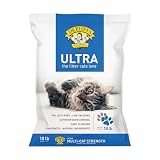
- PREMIUM QUALITY: A combination of premium texture and granule size made with 100% bentonite clay for maximum clumping creates litter particles that are just the right size.
- LOW DUST: Ideal for cats and owners who suffer from allergies with a 99.9% dust-free and hypoallergenic litter formulation.
- HARD CLUMPING: Hard clumping medium grain clay helps prevent moisture from reaching the bottom of the tray and forms hard clumps that won’t break down, making it easier to scoop.
2. ökocat Super Soft Natural Wood Cat Litter
ökocat is made from sustainably sourced wood fibers and has a super soft texture that feels gentle on delicate paws. Ideal for cats who are paw-sensitive or transitioning from trauma.
Why it’s great for anxious rescue cats:
Natural feel, no synthetic chemicals or fragrances, and excellent absorption.
Pros:
- Biodegradable and eco-friendly
- Lightweight and easy to pour
- Low-dust and low-tracking
Cons:
- Higher price point
- May not clump as tightly as clay-based litters

- UNSCENTED NATURAL CAT LITTER: okocat next-generation, plant-based, super soft premium wood clumping cat litter is purrrfect for cats with sensitive paws or even kittens, with a texture similar to clay for easy transitioning.
- EXCEPTIONAL ODOR CONTROL: okocat unscented cat litter wood fiber naturally prevents enzymes from bonding with liquid & waste to stop the creation of ammonia & odor.
- QUICK CLUMPING FOR EASY SCOOPING: okocat’s precision cut wood fiber absorbs liquid on contact, forming solid, easy-to-scoop clumps that make cleaning the litter box quick and easy.
3. SmartCat All Natural Clumping Litter
Made from 100% grass, this all-natural litter is soft, clumping, and impressively low-dust. The grassy scent is very mild and naturally calming without being overwhelming.
Why it’s great for anxious rescue cats:
It mimics outdoor textures, making it perfect for former strays adjusting to indoor life.
Pros:
- Fast clumping
- Naturally scented (no added fragrances)
- Renewable, biodegradable resource
Cons:
- Slightly more tracking than heavier litters
- Not as widely available in local stores
No products found.
4. World’s Best Cat Litter – Unscented Formula
This corn-based litter is lightweight, clumps well, and controls odors naturally. The unscented version is great for sensitive or anxious cats.
Why it’s great for anxious rescue cats:
Soft underfoot, chemical-free, and ideal for multi-cat homes where stress can be higher.
Pros:
- Flushable (in most areas)
- Lightweight and naturally odor-absorbing
- Minimal dust and tracking
Cons:
- Some cats dislike the texture
- May attract bugs if stored improperly

- OUTSTANDING ODOR CONTROL — More cats shouldn’t mean more smells — keep your cats happy with a natural litter with long-lasting odor control.
- QUICK CLUMPING and EASY SCOOPING — Multiple cats can most often mean more clean up — but not with this fast-acting natural litter that requires no chiseling or scraping.
- LIGHTWEIGHT and 99% DUST FREE — Naturally free of silica dust, this lightweight cat litter offers low tracking and less mess — so you and your cat can breathe easy. For the best results, do NOT mix with a non-clumping litter.
5. Dr. Elsey’s Cat Attract Litter
This litter is specifically formulated to encourage litter box use—a must-have for cats who are peeing outside the box due to stress or trauma. It contains natural herbs that attract cats.
Why it’s great for anxious rescue cats:
It retrains cats with past litter trauma using a gentle, cat-friendly herbal attractant.
Pros:
- Clinically designed for problem cats
- Excellent for litter box retraining
- Unscented and clumps well
Cons:
- Slight herbal smell (not overpowering, but noticeable)
- Slightly more expensive than regular clay litter

- PREMIUM QUALITY: A combination of premium texture and granule size made with 100% bentonite clay for maximum clumping creates litter particles that are just the right size.
- HARD CLUMPING: Hard clumping medium grain clay helps prevent moisture from reaching the bottom of the tray and forms hard clumps that won’t break down, making it easier to scoop.
- LOW DUST & LOW TRACKING: Ideal for cats and owners who suffer from allergies with a 99% dust-free and hypoallergenic litter formulation that helps keep litter in the box where it belongs.
Each of these products can make a big difference in how your rescue cat experiences their new home. You don’t have to fix everything overnight—but giving your cat a litter box environment that feels safe, clean, and calming is a powerful first step.
Calming Litter Additives and Accessories
Even the best litter can be enhanced with small, intentional touches that create an even more soothing environment for your anxious rescue cat. In this section, we’ll explore additional tools and accessories that support emotional regulation and help make the litter box experience feel safe and predictable.
1. Pheromone Diffusers Near the Litter Box
One of the most effective non-invasive tools is a feline pheromone diffuser, such as the popular Feliway® Classic. These plug-in devices release synthetic versions of the calming pheromones cats naturally produce when they feel safe.
Benefits:
- Reduces anxiety-driven behaviors like hiding and inappropriate urination.
- Helps your cat associate the litter box area with feelings of safety and familiarity.
- Works well in multi-cat households where territorial stress is high.
Check Feliway Classic on Amazon
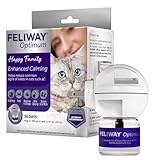
- HELPS REDUCE SIGNS OF STRESS USING A PATENTED PHEROMONE: FELIWAY Optimum is an advanced cat pheromone diffuser that helps reduce signs of stress in cats and helps ease tension between cats.*
- HELPS CATS FEEL CALM IN EVERYDAY SITUATIONS: FELIWAY Optimum is a cat calming diffuser that helps reduce stress‑related behaviors like urine spraying, scratching, hiding, and fearful reactions to change. Cat parents reported noticeable reductions in these behaviors, including a 77% reduction in urine spraying.
- SUPPORTS HARMONY IN MULTI‑CAT HOMES: Helps promote calmer interactions between cats. 72% of cat parents noticed reduced tension between their cats
2. Herbal Litter Additives (Chamomile, Lavender, Valerian Root)
Some anxiety-reducing litter additives include calming herbs like chamomile, lavender, or valerian root. These natural botanicals can help soothe nervous systems, especially when used sparingly and in safe formulations.
Look for:
- Cat-safe formulas only (never use essential oils or human herbal powders).
- Products labeled specifically for feline use.
Caution: Always introduce herbal additives slowly and watch for allergic reactions or litter aversion.
Try a calming litter additive for cats on Amazon

- LITTER BOX ATTRACTANT ENCOURAGES CATS TO USE THE LITTER BOX: Herbal attractant additive encourages cats and kittens to use the litter box by adding a familiar scent, helpful during new-cat introductions, box moves, and retraining.
- WORKS WITH ALL LITTER TYPES CLUMPING CLAY CRYSTAL AND NATURAL: Compatible with clumping and non-clumping clay, crystal, paper, and natural litters, sprinkled and mixed into clean litter for scent distribution in single- and multi-cat homes.
- NO-MESS SHAKE BOTTLE FORMAT FOR CONTROLLED EASY APPLICATION: The 9-ounce bottle is designed for controlled shake-and-pour use, helping reduce mess and over-application when refilling or topping off litter before mixing in lightly.
3. Litter Box Placement and Environment
Where you place the litter box has a huge impact on your cat’s stress levels. An anxious cat will often avoid using the box if it’s in a high-traffic or noisy location.
Tips for anxiety-reducing placement:
- Choose a quiet, low-traffic corner—ideally in a private room.
- Avoid placing it near loud appliances like washers or heaters.
- Ensure there is at least one box per cat, plus one extra (important in multi-cat households).
- Keep the area consistent—avoid frequently moving the box.
You can also add cat-safe curtains or a privacy shield around the litter box to help nervous cats feel more hidden and secure.
4. Covered vs. Open Litter Boxes
Some anxious cats prefer covered litter boxes because they provide a sense of privacy and enclosure. Others may feel trapped and prefer an open box for better visibility. There’s no one-size-fits-all solution—observe your cat’s behavior and adjust accordingly.
If your cat tends to:
- Hide often → try a covered box.
- Startle easily → use an open box in a secluded area.
Explore top-rated litter boxes on Amazon

- MADE IN USA with global materials – The IRIS USA open top kitty litter tray offers a functional and comfortable solution to your cat’s bathroom needs. With the open air kitty litter pan, getting in and out of the tray has never been easier for your cat and the tall walls keep any litter or spraying inside the tray.
- PRIVATE – This open air cat litter tray offers privacy for your cat with tall walls that form the scatter shield, offering the privacy of a hooded cat litter box with the easy access and cleaning of an open air kitty litter pan.
- OPEN TOP – The open top makes it easy for you to monitor your cat’s habits and health and stay on top of when it’s time to clean.

- HOODED ENCLOSURE: Provides privacy and helps prevent litter scatter and leaks from spraying.
- BUILT-IN CHARCOAL FILTER: Tackles tough litter box odors to help keep your home smelling fresh and clean.
- EASY TO CLEAN: Simple latches and flip-top front opening makes cleanup convenient and fast so litter box maintenance is a snap.
5. Litter Mats for Comfort and Cleanliness
A soft litter mat placed under and around the box can reduce litter tracking, protect sensitive paws, and make the entire area feel cleaner and more inviting.
Look for:
- Textured, soft surfaces that gently remove litter from paws.
- Non-slip backing to reduce noise and movement.
- Easy-to-clean materials like silicone or BPA-free foam.
Check best-selling litter mats on Amazon

- THE ORIGINAL LITTER TRAPPER: the cat mat is constructed from durable long lasting materials; topside features thick mesh coils that effectively grab litter; deep grooves on the topside also collect litter, keeping it contained to the mat and off of your floors
- TEXTURED BACKING HELPS IT STAY IN PLACE: while other mats may shift around as your cat exits their litter box, resulting in litter all over your floors, our mat is designed with a textured backing that helps it to stay in place, even with active cats
- WATER RESISTANT: constructed from durable water resistant materials, the cat mat is designed to not allow liquids to pass through, helping to keep liquid messes off your floors; mat also protect floors from scratching
By combining calming litter with strategic accessories and smart placement, you help your rescue cat feel like their litter box is a sanctuary, not a stressor. These small changes work together to support emotional healing—and help prevent the development of long-term anxiety-related litter habits.
Tips for Introducing a New Litter to an Anxious Cat
Switching to a new cat litter—no matter how gentle or calming—can still be stressful for a rescue cat. Anxious cats thrive on routine, consistency, and familiarity, so any change in their litter box setup should be introduced slowly and with intention. The goal is to help your cat build positive associations with the new litter while minimizing the risk of avoidance or regression.
1. Transition Gradually (The 7–10 Day Rule)
Never switch litters cold turkey. Instead, follow a gradual mixing approach over the course of a week:
- Days 1–3: Mix 75% old litter with 25% new litter.
- Days 4–6: Go to a 50/50 mix.
- Days 7–10: Transition to 75% new litter and 25% old.
- Day 10+: Full switch to the new litter (monitor for behavioral changes).
This allows your cat to adjust to the smell, texture, and feel of the new litter at their own pace.
2. Keep the Litter Box Clean and Predictable
Anxious cats are often obsessively clean or particular about their environment. During the transition:
- Scoop the box at least twice a day to reduce odor buildup and litter texture inconsistencies.
- Keep the location unchanged to avoid overwhelming your cat with multiple adjustments.
- Use a consistent cleaning routine (avoid switching box cleaners or disinfectants during this time).
3. Monitor Your Cat’s Behavior Closely
Pay close attention to how your cat is responding:
- Are they still using the box?
- Are they sniffing, pawing, or digging normally?
- Any signs of peeing or pooping outside the box?
If you notice signs of distress, pause the transition at the current ratio and give your cat a few extra days before proceeding.
4. Use Positive Reinforcement
Praise your cat or offer a small treat after they use the litter box during the transition. This can help build positive associations with the new litter.
- Don’t scold or punish accidents—it will only increase anxiety.
- Keep your tone gentle and calm when around the litter area.
5. Provide a Backup Box with the Old Litter (Optional)
If your cat is very anxious or has a history of litter box avoidance, consider offering two litter boxes temporarily:
- One with the old litter.
- One with the new litter (starting at 100%).
This gives them a choice and allows you to observe their preference. Over time, they may naturally gravitate toward the new litter once they feel comfortable.
6. Keep Other Stressors Low During the Switch
Avoid making other big changes while switching litters. That includes:
- Moving furniture.
- Introducing new pets or people.
- Changing feeding times or food brands.
The calmer and more consistent the environment, the smoother the transition.
By taking your time and observing your rescue cat’s comfort level, you’ll increase the likelihood of a successful transition—and reduce the chances of unwanted behaviors returning. Think of it not just as a litter change, but as a relationship-building process between your cat and their new home.
When to Talk to a Vet or Behaviorist
While choosing the right litter can significantly reduce anxiety-related behaviors in rescue cats, sometimes the issue runs deeper than the litter box. If your cat continues to show signs of stress or begins regressing despite your best efforts, it’s time to seek professional support. Anxiety in cats is a real medical and behavioral condition, and getting help early can prevent long-term problems.
1. Persistent Litter Box Avoidance
If your cat:
- Is urinating or defecating outside the box regularly
- Only uses the litter box sporadically
- Seems afraid to enter or stay in the box
…it may be more than just a litter issue.
Possible causes:
- Urinary tract infection (UTI)
- Pain while eliminating (due to arthritis, constipation, crystals, etc.)
- Strong negative associations with the litter box area
- Territorial stress in multi-cat homes
Action step:
Schedule a vet visit to rule out medical causes first—these are often treatable but can mimic behavioral problems.
2. Signs of Severe Anxiety or Trauma
Behavioral signs that your cat may need intervention:
- Intense or constant hiding
- Aggression when approached
- Excessive grooming to the point of bald patches
- Sudden weight loss or refusal to eat
- Hypervigilance or inability to relax
These may indicate chronic stress, past trauma, or even feline PTSD.
Action step:
Ask your vet for a referral to a certified feline behaviorist or veterinary behaviorist. These experts can help create a customized plan that might include environmental adjustments, behavior modification strategies, or even short-term anxiety medication.
3. Litter Box Troubles in Multi-Cat Homes
Anxious rescue cats often feel intimidated by confident, dominant housemates. If you’re noticing:
- One cat guarding the litter box
- A nervous cat avoiding the box if another cat is nearby
- Tensions or frequent chasing near the litter area
…it may be a case of resource guarding or territory conflict.
Action step:
- Ensure you have 1 box per cat + one extra
- Separate litter boxes in different rooms or zones
- Consider vertical space and hiding areas to ease tensions
A cat behaviorist can help you restructure the environment and mediate feline conflict.
4. When to Consider Anti-Anxiety Medications or Supplements
In some cases, behavioral modification and environmental support aren’t enough on their own. If your cat’s quality of life is clearly suffering, a vet may recommend:
- Pheromone therapy (like Feliway diffusers or sprays)
- Natural supplements (e.g., Zylkene, Composure chews, or CBD formulated for cats)
- Prescription anti-anxiety medications (e.g., fluoxetine, gabapentin, or trazodone)
Important: Never give your cat human medication or supplements without veterinary supervision. Cats have very specific metabolic needs, and even “natural” remedies can be harmful if used incorrectly.
5. You’re Not Failing—You’re Doing What’s Best
Seeking professional help isn’t a last resort—it’s often the most compassionate choice. Rescue cats come with baggage, but with love, structure, and the right support, they can absolutely learn to feel safe, loved, and confident in your home.
Frequently Asked Questions (FAQs)
These are some of the most common concerns cat owners have when trying to choose the best litter for anxious rescue cats. Let’s break down the answers to help you make confident, informed choices.
Q1: Is scented litter bad for anxious cats?
Yes—scented litter is generally not recommended for anxious or sensitive cats. Artificial fragrances can overwhelm your cat’s powerful sense of smell and trigger avoidance. While the scent may seem pleasant to humans, it can actually deter your cat from using the box. Unscented, low-dust options are best for fostering a calm and predictable experience.
Q2: My rescue cat won’t use the litter box at all. What should I do?
Start by:
- Ruling out medical issues with a vet visit (UTIs, pain, digestive problems).
- Trying a new litter type that’s softer and unscented.
- Adding extra litter boxes in quiet, private areas.
- Using litter additives like Cat Attract to reintroduce positive associations.
If these steps don’t help, consult a feline behaviorist—it may be trauma-related or territorial stress.
Q3: Can the wrong litter cause anxiety?
Not exactly, but the wrong litter can definitely worsen anxiety or cause behavioral regression. If the texture is rough, the smell is strong, or the box is too noisy or dirty, a sensitive cat may avoid it altogether. Over time, this can lead to stress, confusion, and even medical issues.
Q4: How many litter boxes should I have?
The golden rule:
One litter box per cat, plus one extra.
For example, if you have two cats, you need three boxes.
Anxious rescue cats especially benefit from multiple boxes in separate areas, so they never feel trapped or intimidated by other cats or loud environments.
Q5: Should I use a covered or uncovered litter box for my anxious cat?
It depends on your cat’s personality:
- Shy, nervous cats may prefer a covered box for privacy.
- Startle-prone or formerly outdoor cats might feel trapped in a covered box and prefer an open setup with good visibility.
If you’re unsure, try both types or look for a compromise: a high-sided, semi-enclosed box in a quiet area.
Q6: Are natural or biodegradable litters better for anxious cats?
Often, yes. Natural litters (wood, paper, corn, walnut) tend to:
- Have gentler textures
- Be unscented
- Produce less dust
These qualities make them more appealing for cats with trauma or sensory sensitivities.
Just make sure they clump well if that’s important to your cleanup routine.
Conclusion: Creating a Calmer World for Your Rescue Cat
Anxiety in rescue cats isn’t a flaw—it’s often a reflection of the hardship they’ve endured. The good news? With patience, empathy, and the right choices—like switching to a calming, cat-friendly litter—you can make a world of difference in how safe and secure your cat feels in their new home.
From unscented, low-dust formulas to pheromone-based diffusers and smart placement strategies, everything you do around the litter box sends a message to your cat: “You’re safe here.”
No single solution fits every cat, but by tuning into your rescue cat’s body language and preferences, you’ll gradually build trust—and that trust will bloom into a calmer, more confident companion.
The Right Litter Can Ease Anxiety — One Paw Step at a Time
For a rescue cat, even the litter box can feel overwhelming. Choosing the right litter — soft, scent-free, and stress-reducing — can make a huge difference in helping your anxious feline feel safe, secure, and in control of their space.
Need help choosing and setting up the perfect litter environment? Start here:
- Fix litter box issues with confidence using Rescue Cat Won’t Use Litter Box? Here’s How to Fix It
- Create a calming environment overall with How to Help a Rescue Cat Feel Safe in a New Home
- Get expert behavioral insight from The Humane Society’s Litter Box Behavior Resource »
- Try a calming litter like Dr. Elsey’s Ultra Cat Litter or SmartCat Grass Litter.
- Set up a stress-free environment using Feliway Classic Diffusers.
- Learn how to gain your rescue cat’s trust → Read our post: How to Get Your New Cat to Trust You
Avoid strong fragrances, harsh textures, or sudden changes — and always scoop regularly to maintain a clean, stress-free space your cat can rely on.
You’re not just choosing litter — you’re building trust from the ground up.
With the right setup, even the most anxious rescue can find peace, one paw at a time.
Disclaimer: The information provided on this site is for general informational purposes only. It is not intended as veterinary advice, diagnosis, or treatment. Always seek the guidance of a licensed veterinarian before making decisions about your pet’s health.
Results Disclaimer: Results may vary. Our recommendations are based on editorial research and do not guarantee specific outcomes.
Accuracy Notice: We strive to keep content accurate and up to date. However, always verify current information and consult a veterinarian for personalized guidance.

James Kim is the founder of SavingNineLives.com, a passion project dedicated to improving the lives of rescue cats through practical care tips, adoption guides, and heartfelt advocacy. Though not a veterinarian, James is a lifelong cat lover who collaborates with animal welfare volunteers, rescue shelters, and vet-reviewed sources to ensure accurate, trustworthy information. His mission is simple: to help cat parents make informed, compassionate decisions that support feline health and well-being.
When he’s not writing, James is busy fostering cats, volunteering at local shelters, and testing cat-friendly products to recommend only the best to readers. Every article on this site is carefully researched and reviewed to meet the highest standards for cat health content.
Experience: 10+ years of hands-on experience with rescue cats
Content Vetting: Collaborates with vet techs and rescue workers
Trust & Transparency: All products and advice are shared with affiliate disclosures and reader safety in mind
Follow James and the Saving Nine Lives journey as we help one rescue cat at a time.