
Best Hard-Sided vs Soft-Sided Cat Carriers: Pros, Cons & Top Picks for Every Cat Parent
Last Updated on December 20, 2025 by James Kim
Affiliate Disclosure:
This post may contain affiliate links. If you click through and make a purchase, I may earn a small commission at no extra cost to you. As an Amazon Associate I earn from qualifying purchases. I only recommend products I believe bring genuine value. Thank you for supporting this site.
Note: This article is for informational purposes only and is not a substitute for professional veterinary advice. Always consult your vet for your cat’s specific needs.
Why Choosing the Right Cat Carrier Matters
Whether you’re heading to the vet, embarking on a road trip, or catching a flight with your feline friend, a reliable cat carrier is non-negotiable. But with so many options on the market, many pet parents find themselves stuck choosing between two popular styles: hard-sided and soft-sided cat carriers. Each comes with its own set of benefits, trade-offs, and ideal use cases — and selecting the wrong one could lead to unnecessary stress for both you and your cat.
In this guide, we’ll break down the key differences between hard and soft cat carriers, including which is better for air travel, which offers better protection, and which suits anxious or adventurous cats best. We’ll also share our top product recommendations, carrier training tips, and expert advice to help you make a confident, cat-friendly decision.
Ready to find the perfect travel solution for your feline companion? Let’s dive in.
What Are Hard-Sided Cat Carriers?
Hard-sided cat carriers are typically made from durable materials like heavy-duty plastic with metal or reinforced plastic doors. These carriers are known for their rigid structure, which offers maximum protection, especially in high-impact scenarios like sudden stops in a car or crowded vet waiting rooms.
Key Features of Hard-Sided Carriers:
- Solid walls and frame to keep your cat safe from bumps and jostling
- Ventilation slits on the sides or top for airflow
- Top-loading or front-loading access, depending on the model
- Non-collapsible design, which adds structural integrity
When Are Hard Carriers Ideal?
- Vet visits: Especially helpful for cats who get nervous or try to escape
- Car travel: More secure during sudden stops or turns
- Aggressive or anxious cats: Offers a stronger barrier between pet and handler
- Multi-cat households: Easier to sanitize between uses
These carriers may not be the most stylish or compact, but they’re reliable, durable, and often recommended by veterinarians for a reason.
Pro Tip: Look for a hard-sided carrier with a top-loading feature to make it easier to gently lower your cat in — especially useful for cats who resist entering on their own.
What Are Soft-Sided Cat Carriers?
Soft-sided cat carriers are lightweight, flexible carriers typically made from durable fabric materials like polyester or nylon, with mesh panels for ventilation and visibility. Designed for comfort and convenience, these carriers are a favorite among pet parents who travel frequently or need a space-saving solution.
Key Features of Soft-Sided Carriers:
- Flexible structure that conforms to tight spaces (like under airplane seats)
- Mesh windows for airflow and visibility
- Shoulder straps or handles for easy carrying
- Zippered openings on the top, front, or sides
- Collapsible design for easy storage
When Are Soft Carriers Ideal?
- Air travel: Many models are airline-approved and meet in-cabin requirements
- Quick errands or short trips: Lightweight and easy to carry
- Calm, socialized cats: Ideal for cats who tolerate confinement well
- Urban or public transit travel: More portable and discreet
Soft-sided carriers often provide a cozier, more comforting experience for cats, thanks to the fabric interior and less intimidating environment. However, they’re not the best choice for cats who chew, scratch, or try to escape.
Pro Tip: Choose a soft carrier with reinforced zippers and locking mechanisms to prevent escape — especially if your cat is curious or clever with their paws.
Hard-Sided vs Soft-Sided: Side-by-Side Comparison
Choosing between a hard and soft cat carrier ultimately comes down to your cat’s temperament, your travel habits, and what features matter most to you. Below is a quick side-by-side comparison to help you visualize the key differences:
| Feature | Hard-Sided Carrier | Soft-Sided Carrier |
|---|---|---|
| Durability | ✅ Excellent – solid, impact-resistant shell | ⚠️ Moderate – fabric may wear or tear with use |
| Comfort for Cat | ⚠️ Basic – hard interior, needs padding | ✅ High – soft, cozy environment |
| Ease of Cleaning | ✅ Very easy – wipeable plastic surface | ⚠️ Can be tricky – fabric may retain odors |
| Portability | ⚠️ Heavier and bulkier | ✅ Lightweight and easy to carry |
| Storage | ❌ Non-collapsible – requires space | ✅ Collapsible – great for small homes or apartments |
| Airline Approval | ❌ Not usually accepted in-cabin | ✅ Many models are TSA-compliant |
| Ventilation | ⚠️ Limited to slits/holes | ✅ Breathable mesh panels |
| Security | ✅ Very secure – solid latch door | ⚠️ Depends on zipper strength and build quality |
| Best For | Nervous, aggressive, or large cats | Calm, travel-happy, or small cats |
| Price Range | 💲 Affordable to mid-range | 💲💲 Mid-range to premium depending on features |
Quick Decision Tip:
- Choose hard-sided if your cat is aggressive, anxious, or you need maximum protection.
- Choose soft-sided if your cat is calm and you’re flying or short on storage space.
Still unsure? Keep reading — we’ll dive deeper into the pros and cons of each style and recommend our favorite products for both.
Pros and Cons of Hard-Sided Cat Carriers
Hard-sided carriers are the go-to choice for pet parents looking for durability and safety above all. Their rigid construction makes them ideal for high-stress situations — but they’re not without drawbacks.
Pros of Hard-Sided Cat Carriers
- Maximum Protection
The solid shell offers excellent impact resistance, making it ideal for car travel, vet visits, and emergencies. - Escape-Proof Design
Most models come with secure locking doors or clasps, reducing the risk of your cat breaking free. - Easy to Clean
Plastic surfaces can be wiped or sprayed down with disinfectant, making cleanup after accidents or shedding quick and easy. - Long-Lasting Durability
Unlike fabric carriers that may rip or fray, hard-sided carriers can last for years with minimal wear and tear. - Stackable & Stable
Their solid structure makes them easier to stack or strap in place, especially helpful when traveling with multiple cats.
Cons of Hard-Sided Cat Carriers
- Bulky and Heavy
Not ideal for those who need a lightweight or portable solution — especially if you’ll be walking long distances. - Less Comfortable Interior
Hard plastic can feel cold and unwelcoming unless you add a blanket or cushion. - Takes Up More Storage Space
Unlike soft carriers, hard models do not collapse or fold down for easy storage in small homes or apartments. - Not Always Airline Friendly
Most hard carriers don’t meet the under-seat requirements for in-cabin air travel, limiting their use for flyers.
Bottom Line:
Hard-sided carriers are best suited for nervous, aggressive, or large cats, and for pet parents prioritizing safety and durability. They’re not as sleek or travel-friendly, but they shine in terms of structure and security.
Pros and Cons of Soft-Sided Cat Carriers
Soft-sided cat carriers are the modern pet parent’s favorite — sleek, lightweight, and easy to carry. They’re especially handy for air travel and short trips. But like any product, they have their strengths and limitations.
Pros of Soft-Sided Cat Carriers
- Lightweight & Portable
Soft carriers are easy to carry, especially with shoulder straps or handles, making them great for errands, public transit, or airports. - Flexible & Space-Saving
Many models are collapsible, which is perfect for storage in small apartments or under seats during travel. - Comfortable for Cats
The soft interior and breathable mesh panels create a cozier, less clinical environment, which can reduce stress for many cats. - Airline-Approved Options
Most soft carriers are TSA-compliant and built to fit under airplane seats, making them the top pick for flying with your feline. - Stylish Designs
Available in various styles, colors, and patterns — appealing for pet parents who want both form and function.
Cons of Soft-Sided Cat Carriers
- Less Impact Protection
Soft fabric doesn’t offer the same rigid barrier as a hard-sided carrier in case of drops or bumps. - More Escape Risk
Zippers can be chewed or pushed open by clever cats. Lower-quality models may lack reinforced seams or locks. - Harder to Clean
While many are machine-washable or have removable pads, soft carriers can absorb odors and may stain more easily than plastic. - May Sag or Collapse
If the structure isn’t well-supported, some carriers may sag inward when carrying larger cats or with age.
Bottom Line:
Soft-sided carriers are ideal for calm, well-socialized cats and for pet parents who prioritize portability, comfort, and style. They’re not ideal for feisty or escape-prone cats, but they shine in everyday use and airline travel.
When to Choose Hard-Sided Over Soft-Sided (and Vice Versa)
Still undecided between a hard or soft carrier? The best choice depends on your cat’s behavior, your lifestyle, and how you plan to use the carrier. Here’s a breakdown of typical situations to help you make a confident choice:
Choose a Hard-Sided Carrier If…
- Your cat is nervous, aggressive, or prone to panicking.
The rigid walls provide a sense of safety and prevent your cat from clawing or chewing their way out. - You often take your cat to the vet or on car rides.
These carriers offer excellent protection during sudden stops or if something falls in the car. - You have a larger or heavier cat.
Hard-sided models offer more support and structure, especially for cats over 15 lbs. - You need something durable and easy to clean.
Plastic interiors are more hygienic, especially for messy accidents or shedding.
Choose a Soft-Sided Carrier If…
- You fly frequently with your cat.
Most soft-sided carriers are designed to fit under airline seats and comply with in-cabin pet travel rules. - Your cat is calm and crate-trained.
These carriers are more comfortable and less intimidating for relaxed travelers. - You’re short on storage space at home.
Soft carriers can fold flat and slide into closets or under beds when not in use. - You want a lightweight option for walking, errands, or public transit.
With handles and shoulder straps, soft carriers are easy to carry on the go.
Use Case Scenarios to Guide Your Decision
| Scenario | Recommended Carrier Type |
|---|---|
| Nervous cat who hates confinement | Hard-Sided |
| Airplane cabin travel | Soft-Sided (airline-approved only) |
| Long-distance car move | Hard-Sided |
| Weekend getaway to a pet-friendly hotel | Soft-Sided |
| Multi-cat household (carrier sharing) | Hard-Sided |
| Elderly cat with arthritis | Soft-Sided (for comfort) |
Pro Tip: Still unsure? Consider owning both types — one for durable trips (like vet visits) and one for casual or air travel. It’s a small investment that can make a big difference in your cat’s well-being.
Top 3 Hard-Sided Cat Carriers (Mini Reviews)
Choosing a hard-sided carrier doesn’t mean you have to sacrifice convenience or comfort. Here are three of the most recommended hard-sided cat carriers based on safety, design, ease of use, and customer reviews.
1. Amazon Basics Two-Door Top-Load Pet Carrier
Best Overall Value
Key Features:
- Two-door design: front and top access for easier loading
- Steel wire front door and durable plastic body
- Well-ventilated on all sides
- Available in multiple sizes
Pros:
- Affordable price point
- Top-loading makes it easier to place a resistant cat inside
- Easy to clean and sanitize
Cons:
- Door latch can be stiff at first
- May not be suitable for very large cats over 20 lbs
Recommendation: View on Amazon
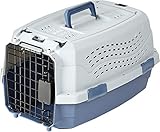
- Hard sided pet carrier with 2 doors for front and top entry; suitable for cat or extra-small dog breeds, such as chihuahuas and toy poodles (up to 11 pounds)
- Durable plastic construction with steel wire front door; screws keep the top and bottom sections securely connected
- Top door can swing open to the left or right for easy access and convenience
2. Petmate Sky Kennel Pet Carrier
Best for Airline Cargo Travel & Large Cats
Key Features:
- Airline-approved for cargo (check airline guidelines)
- Heavy-duty construction with secure, metal latch system
- Includes “Live Animal” labels, clip-on food/water dishes, and zip ties
- Ideal for long-distance or overseas travel
Pros:
- Extremely sturdy and secure
- Suitable for cats 20+ lbs
- Built to meet airline requirements for checked baggage
Cons:
- Bulkier and heavier than most
- May be overkill for short local trips
Recommendation: View on Amazon

- FIRST-CLASS COMFORT FOR PETS: The Petmate Sky Kennel meets IATA requirements for live animal transport and meets most airline cargo specifications, providing secure air travel for pets; it includes 360-degree ventilation and tie-down strap holes
- EASY TRAVEL PREPARATION: The Sky Kennel is a travel dog crate that comes with essentials including two ‘LIVE ANIMAL’ stickers, a food and water cup, ID stickers, and an absorbent pad to provide a great travel experience for you and your pet
- SPACIOUS INTERIOR FOR SMALL DOGS AND CATS: Ideal for Chihuahua or similar, this small dog kennel accommodates puppies, kittens or smaller pets up to 15 lbs, offering enough room to walk and rest comfortably during travel, with interior dimensions of 18.75″ L x 13.5″ W x 14.5″ H
3. MidWest Spree Plastic Pet Carrier
Best for Short Trips & Vet Visits
Key Features:
- Simple design with top handle
- Snap-latch assembly — no tools required
- Comes in fun colors like blue, green, and pink
- Lightweight and compact
Pros:
- Budget-friendly
- Great for quick errands or vet visits
- Kid-friendly design for families
Cons:
- Not airline-approved
- Only suitable for cats under 15 lbs
Recommendation: View on Amazon

- IDEAL FOR EXTRA-SMALL PETS: Interior measures 19.2 x 13.5 x 12.2 inches – perfect for extra-small dog breeds with an adult size up to 18″ long and 12 pounds. For best fit, measure pet length and height and give 1-2 inches of wiggle room.
- BUILT FOR ON THE GO: Durable plastic door with locking tabs ensures your pet stays safely contained. With rigorous safety testing, Spree provides peace of mind knowing your pet is secure during every adventure.
- DURABLE CONSTRUCTION: Tough polypropylene shell resists cracks and everyday wear, and wipes down for easy cleanup. Plastic door offers added privacy for timid pets, while ventilated sides maintain airflow and visibility.
Pro Tip: When buying a hard-sided carrier, choose a model that is at least 1.5 times the size of your cat so they can turn around comfortably and lie down.
Top 3 Soft-Sided Cat Carriers (Mini Reviews)
Soft-sided carriers are ideal for calm cats and pet parents who prioritize comfort, portability, and airline compatibility. Below are three highly-rated models that combine functionality with thoughtful design.
1. Sherpa Original Deluxe Pet Carrier
Best for Airline Travel
Key Features:
- Approved for in-cabin use on most major airlines
- Patented spring-wire frame allows the rear to be compressed to fit under seats
- Mesh panels for ventilation and visibility
- Top and side entry with locking zippers
- Faux lambskin liner included for extra comfort
Pros:
- Officially airline-approved
- Lightweight yet sturdy
- Comfortable and stylish
- Comes in multiple sizes
Cons:
- Some cats may chew the mesh if anxious
- Soft sides may collapse slightly with larger cats
Recommendation: View on Amazon

- FITS ON OR UNDER SEATS: Our patented spring wire frame allows the rear end of the carrier to be pushed down several inches, easily fitting in cars and conforming to under-seat requirements of domestic rail travel
- PERFECT FOR TRAVEL: Features mesh panels for ventilation, escape-proof locking zippers, top and side entries for easy and comfortable loading, waterproof interior base, and a removable machine washable cozy base liner
- VERSATILE DESIGN: Can be carried by hand with the padded top handle, or over the shoulder using the included detachable carrying strap and integrated metal D-rings – whichever suits your comfort and convenience
2. Henkelion Airline Approved Pet Carrier
Best Budget-Friendly Soft Carrier
Key Features:
- Airline-compliant size with padded shoulder strap
- Four-side mesh design for ventilation
- Lightweight and foldable
- Comes with fleece travel bed
Pros:
- Affordable and great value
- Easy to store and clean
- Comfortable carrying experience
Cons:
- May not be durable enough for long-term or large cat use
- Zippers may need reinforcing for escape-prone cats
Recommendation: View on Amazon

- AIRLINE APPROVED CARRIER – With airline-approved design, you can take your pet to go to everywhere. This pet carrier provides two connecting loop handles for balanced carrying as a dual seat belt or luggage strap to secure transport
- SAFETY DESIGN – The adjustable shoulder strap help you hands-free carrying and makes it more safe and convenient pet carrier bag for your travel
- DURABLE – This cat carrier is made of durable and lightweight polyester fabric. The four-side mesh will not only give a safe and comfortable travel for your pet, but also easy for you to check on your pet
3. Petisfam Soft Pet Carrier
Best for Escape-Proof Design
Key Features:
- Designed specifically for escape artists
- Auto-locking zippers and leash tether included
- Multiple entry points with reinforced mesh
- Luggage and car seat belt straps
Pros:
- One of the most secure soft-sided options
- Ideal for nervous cats or car rides
- Excellent ventilation and structure retention
Cons:
- Slightly more expensive
- May not fit under very tight airplane seats
Recommendation: View on Amazon

- Extra high and wide, that additional room makes it easy for the cat to turn around. Fits medium and large cats, and small dogs. Especially for cat parents who keep more than 2 cats
- NO MORE BATTLES to Get CAT IN. Easy to load and unload the cat from the big full-sized top opening or front door. It zips up quickly enough to keep the cat in
- EASY VET VISIT. Most of the check-ups can be done from the full-sized top opening without the cat having to come out of the carrier. Cats don’t like being taken out of their comfort zone
Pro Tip: For flight use, always double-check your airline’s pet carrier size and soft-sided pet policy — some carriers are stricter than others.
Tips for Getting Your Cat Used to Their Carrier
A carrier is only useful if your cat is actually willing to go inside it — and stay calm once they do. Unfortunately, many cats associate carriers with stress, vet visits, or confinement. The good news? With some gentle training and positive reinforcement, you can help your cat feel comfortable and even relaxed in their carrier.
1. Make the Carrier Part of Their Environment
Leave the carrier out in a common area of your home instead of only bringing it out right before trips.
- Keep the door open at all times.
- Line it with a soft blanket or one of your cat’s favorite towels.
- Sprinkle some treats or toys inside to create a positive association.
- Use pheromone sprays (like Feliway) to encourage calm behavior.
2. Practice “Carrier Games”
Build curiosity and reduce fear by making it a fun place:
- Drop treats inside gradually and let your cat discover them on their own.
- Feed your cat near or even inside the carrier to associate it with mealtime.
- Use clicker training (if your cat is familiar) to reward steps like entering and sitting inside.
3. Use a Top-Loading Carrier If Possible
Cats are more likely to enter a carrier from the top than walk in voluntarily through a small front door.
- For hard-sided carriers, remove the top half during training so it resembles an open bed.
- Once your cat is comfortable inside, gradually reintroduce the top and then the door.
4. Take Practice Trips
Before a vet visit or major travel day:
- Take short car rides around the block to normalize movement.
- Place the carrier on a towel in the car to reduce sliding and noise.
- Keep a calm, quiet environment during travel — avoid loud music or sudden sounds.
5. Stay Calm and Patient
Your energy matters. If you’re stressed or hurried, your cat will sense it.
- Speak softly and move slowly around the carrier.
- Never force or shove your cat in — it can damage trust.
- Reward every small win: even sniffing or stepping into the carrier voluntarily is a step forward.
Pro Tip: Carrier training is most effective when done before it’s urgently needed. Start early, be patient, and turn the carrier into a safe space — not a punishment zone.
Final Verdict: Which Type is Right for You?
Now that you understand the differences between hard-sided and soft-sided cat carriers — from comfort and durability to travel compatibility — it’s time to choose what’s best for your cat and lifestyle.
Choose a Hard-Sided Carrier If:
- Your cat is anxious, aggressive, or prone to escape
- You need maximum protection for car travel or vet visits
- You want something long-lasting and easy to clean
- Storage space isn’t a major concern
Choose a Soft-Sided Carrier If:
- Your cat is calm and crate-trained
- You’ll be flying with your cat or using public transportation
- You prefer something lightweight and portable
- You live in a small space and need a collapsible option
Quick Checklist to Help You Decide:
| Question | If “Yes” → Recommended Carrier |
|---|---|
| Is your cat over 15 lbs? | Hard-Sided |
| Do you plan to fly with your cat? | Soft-Sided |
| Is your cat likely to claw, chew, or panic? | Hard-Sided |
| Do you need a carrier that folds for storage? | Soft-Sided |
| Do you want the easiest carrier to clean? | Hard-Sided |
| Is comfort and coziness a top priority? | Soft-Sided |
Final Tip: If you can, consider investing in both types — one for structured safety (e.g., vet visits or long road trips), and one for comfort and convenience (e.g., flights or local errands). Having the right tool for each situation makes a big difference in your cat’s comfort and your peace of mind.
FAQs: Cat Carrier Questions Answered
Still have questions about choosing between hard-sided and soft-sided carriers? These frequently asked questions cover the most common concerns from cat parents like you.
1. Can I use a soft-sided carrier for a vet visit?
Yes — if your cat is calm and the carrier is secure. However, if your cat is nervous, aggressive, or tries to escape, a hard-sided carrier is usually safer for both you and your vet. Vets often prefer hard carriers with top access for easier handling.
2. Are hard-sided carriers allowed on airplanes?
Generally, no for in-cabin travel. Most hard-sided carriers are too bulky to fit under the seat. However, they are often allowed for cargo travel (checked baggage) — just confirm dimensions with your airline before booking.
3. What’s the safest carrier for car travel?
Hard-sided carriers are safest due to their rigid frame, especially when secured with a seatbelt. Many models have straps or slots to allow safe tethering inside a car.
4. Can a cat chew or claw their way out of a soft-sided carrier?
Yes — it’s possible, especially with determined or anxious cats. Look for reinforced mesh, escape-proof zippers, and interior leash tethers when selecting a soft-sided model. If your cat is a known escape artist, go with a hard carrier.
5. How do I know what size carrier my cat needs?
A good rule of thumb: your cat should be able to stand up, turn around, and lie down comfortably inside. Measure your cat’s height and length, then choose a carrier that’s 1.5 to 2 times larger than those dimensions.
6. Can I carry two cats in one carrier?
It’s not recommended unless the cats are bonded, small, and the carrier is spacious enough for both to move comfortably. Even then, individual carriers are often better for stress reduction and safety during travel.
7. How can I make my cat more comfortable during trips?
- Line the carrier with a familiar-smelling blanket
- Use pheromone sprays (like Feliway)
- Avoid feeding right before travel to prevent motion sickness
- Cover the carrier with a towel to reduce visual stress during the trip
Still unsure which carrier is right for your cat? Scroll back to the comparison table or checklist for a quick decision refresher!
Conclusion: The Right Carrier Makes All the Difference
A cat carrier isn’t just a travel accessory — it’s a safe space, a stress-reducer, and an essential tool for every cat parent. Whether you choose a hard-sided model for its strength and structure or a soft-sided version for flexibility and comfort, the key is to match the carrier to your cat’s needs, your lifestyle, and how you plan to travel.
Take time to train your cat to love their carrier, invest in quality, and prepare ahead of time — it will make every trip, vet visit, and emergency far less stressful for both of you.
Ready to Choose the Perfect Carrier?
Whether you’re prepping for a cross-country move or a routine vet visit, the right carrier can make all the difference in your cat’s comfort and safety.
Still comparing options? Check out our in-depth reviews of the Best Cat Carriers for Nervous Cats or Top Travel Accessories for Cats to help you gear up with confidence.
Ready to buy? Browse our top recommended picks:
- Amazon Basics Hard-Sided Two-Door Carrier – Best Value
- Sherpa Deluxe Soft-Sided Carrier – Airline Approved
- Petmate Sky Kennel – Best for Cargo or Large Cats
Want to keep your cat calm and safe on the go? Read our expert guide: How to Get a Cat Into a Carrier Without Stress
Disclaimer: The information provided on this site is for general informational purposes only. It is not intended as veterinary advice, diagnosis, or treatment. Always seek the guidance of a licensed veterinarian before making decisions about your pet’s health.
Results Disclaimer: Results may vary. Our recommendations are based on editorial research and do not guarantee specific outcomes.
Accuracy Notice: We strive to keep content accurate and up to date. However, always verify current information and consult a veterinarian for personalized guidance.

James Kim is the founder of SavingNineLives.com, a passion project dedicated to improving the lives of rescue cats through practical care tips, adoption guides, and heartfelt advocacy. Though not a veterinarian, James is a lifelong cat lover who collaborates with animal welfare volunteers, rescue shelters, and vet-reviewed sources to ensure accurate, trustworthy information. His mission is simple: to help cat parents make informed, compassionate decisions that support feline health and well-being.
When he’s not writing, James is busy fostering cats, volunteering at local shelters, and testing cat-friendly products to recommend only the best to readers. Every article on this site is carefully researched and reviewed to meet the highest standards for cat health content.
Experience: 10+ years of hands-on experience with rescue cats
Content Vetting: Collaborates with vet techs and rescue workers
Trust & Transparency: All products and advice are shared with affiliate disclosures and reader safety in mind
Follow James and the Saving Nine Lives journey as we help one rescue cat at a time.