
Ceramic vs Stainless Steel Cat Bowls: Which Is Best for Your Feline Friend?
Last Updated on October 14, 2026 by James Kim
Affiliate Disclosure:
This post may contain affiliate links. If you click through and make a purchase, I may earn a small commission at no extra cost to you. As an Amazon Associate I earn from qualifying purchases. I only recommend products I believe bring genuine value. Thank you for supporting this site.
Note: This article is for informational purposes only and is not a substitute for professional veterinary advice. Always consult your vet for your cat’s specific needs.
Your cat probably doesn’t care whether their food bowl is ceramic or stainless steel, as long as there’s something delicious inside. But as a cat owner, you might be surprised by how much the material of that bowl matters. Some bowls are easier to keep clean, while others can develop scratches, chips, or other problems that make them less hygienic over time. Since your cat eats from the same bowl every day, even small differences in how well it holds up and how easily it can be cleaned are worth paying attention to.
Ceramic and stainless steel are two popular choices, and both have their advantages. Stainless steel is known for being durable, lightweight, and easy to maintain, while ceramic bowls offer a heavier, more stable option that comes in plenty of designs. However, there are a few things worth considering beyond appearance, especially when it comes to cleaning, potential bacterial buildup, and your cat’s comfort during meals. A bowl that looks great in your kitchen might not be the most practical choice if it’s difficult to wash thoroughly or your cat constantly pushes it around while eating.
I’ve used both ceramic and stainless steel bowls over the years with Diba, Cornelius, and Baby. I actually started with ceramic when Diba was still a feral cat I was trying to gain the trust of. I went to a pet store, picked up a ceramic plate, and began feeding her with it. I eventually switched to stainless steel, but both materials served my cats well.
If you’re choosing the right food bowl for your cat or thinking about replacing an old one, understanding these differences can help you make a better decision. We’ll compare ceramic and stainless steel bowls in terms of safety, durability, hygiene, and everyday practicality so you can figure out which option makes the most sense for your cat and your home. Ultimately, the best bowl isn’t necessarily the most expensive or attractive one, but the one that’s safe, easy to maintain, and comfortable for your cat to use every day.
Why the Material of Your Cat’s Bowl Matters
Your cat eats and drinks from their bowls every day, so the material they’re made from deserves a little more attention than you might think. Certain materials are easier to keep clean, while others can develop scratches, cracks, or worn surfaces that trap bacteria. Over time, these problems may contribute to issues such as feline acne or unwanted bacterial exposure.
You don’t necessarily need an expensive bowl to keep your cat healthy. What matters more is choosing a safe material, keeping it clean, and recognizing when it’s time for a replacement.
1. Hygiene and Bacteria Control
Food bowls can collect bacteria, especially when leftover food and moisture sit on the surface for too long. Scratches and tiny cracks make cleaning more difficult because bacteria can settle into areas that are harder to reach.
Without regular washing, a slimy layer called biofilm can develop. Poor bowl hygiene may also contribute to feline chin acne, although it isn’t the only possible cause. Choosing a smooth, nonporous bowl and cleaning it after meals can help reduce these risks.
It’s worth running your fingers over the inside of your cat’s bowl occasionally to check for rough spots or damage. A bowl might look perfectly fine at first glance, but if the surface is becoming difficult to clean, replacing it is usually the safer option.
2. Safety and Toxin Risk
The quality of the material matters just as much as the type. Some poorly manufactured ceramic bowls may contain glazes with unsafe levels of lead or other harmful substances, while low-quality metal bowls can rust or deteriorate over time.
Look for food-grade, non-toxic materials from reputable manufacturers. It’s also worth checking ceramic bowls for chips or damaged glaze, since these can make the surface harder to clean and potentially unsafe to use.
If you’re shopping for ceramic bowls, don’t assume that every decorative dish is suitable for feeding pets. A bowl specifically labeled as food-safe is a better choice than one with an unknown glaze or manufacturing history.
3. Maintenance and Cleaning
A bowl that’s easy to wash is much more practical when you’re cleaning it every day. Stainless steel bowls are often dishwasher-safe, while some ceramic bowls require more careful handling to avoid chips or damage.
Regardless of the material, food residue and moisture can encourage bacterial growth when bowls aren’t washed regularly. Choosing something that’s easy to clean thoroughly makes maintaining a hygienic feeding area much simpler.
Having a few extra bowls can make daily cleaning easier, especially if you feed your cat wet food several times a day. You can simply swap out a dirty bowl for a clean one rather than having to wash the same dish before every meal.
4. Durability and Practicality
Ceramic bowls can last for years with proper care, but they’re more likely to chip or break if dropped. Stainless steel generally handles everyday wear better and is less likely to become damaged from accidental bumps or falls.
This is especially worth considering if your cat is a vigorous eater or enjoys pushing their bowl around. A heavier ceramic bowl may stay in place more easily, while a stainless steel bowl with a nonslip base can offer similar stability without the risk of shattering.
Think about where you normally feed your cat, too. If the bowl sits on a hard tile floor or somewhere it frequently gets bumped, a durable stainless steel option might save you from having to replace broken ceramic dishes.
5. Sensory and Behavioral Considerations
Cats have their own preferences, and some are surprisingly particular about their feeding setup. A lightweight bowl that slides across the floor or makes noise when touched might bother a nervous cat, especially if they’re already cautious around unfamiliar objects.
The bowl’s shape matters, too. Some cats seem more comfortable eating from wide, shallow dishes that give their whiskers plenty of room. Paying attention to how your cat behaves during meals can help you decide whether their current bowl is comfortable or worth replacing.
For example, if your cat regularly pulls food out of the bowl to eat it off the floor, try offering the same food on a wider, shallower dish and see whether their behavior changes. It doesn’t necessarily mean the bowl is the problem, but it’s a simple adjustment worth testing before assuming your cat is just being picky.
Ceramic Cat Bowls: Pros and Cons
Ceramic cat bowls are a popular option because they’re sturdy, attractive, and available in plenty of colors and designs. Their extra weight can also be useful if your cat tends to push their bowl around during meals. However, ceramic isn’t without its drawbacks, especially when it comes to durability and the quality of the glaze.
Before choosing a ceramic cat bowl, it’s worth understanding what makes this material practical and where it might fall short. A bowl might look perfect when you first buy it, but how well it holds up to daily feeding and cleaning matters much more in the long run.
Pros of Ceramic Cat Bowls
1. Attractive Designs
One of the biggest appeals of ceramic bowls is how many styles are available. You can find everything from simple, neutral dishes to colorful bowls with decorative patterns.
If your cat’s feeding area is in your kitchen or living room, it’s easy to find a ceramic bowl that fits your home’s appearance without looking out of place. Just remember that a nice design shouldn’t come at the expense of a smooth, food-safe surface that’s easy to wash.
2. Heavier and More Stable
Ceramic bowls are generally heavier than plastic or stainless steel alternatives, which helps keep them from sliding across the floor while your cat eats.
This can be particularly useful for cats that eat enthusiastically or tend to push their dishes around. Older cats may also benefit from having a stable bowl that stays in place instead of moving whenever they take a bite.
If you’ve ever watched your cat chase their food bowl across the kitchen floor while trying to eat, you’ll appreciate having something that stays put. A stable bowl also means fewer spills and less cleanup around the feeding area.
3. Often Microwave-Safe
Many ceramic bowls are microwave-safe, which can be convenient if you occasionally warm your cat’s wet food to make it more appealing.
Slightly warming food can help release its aroma, which may encourage picky eaters or senior cats with reduced appetites to eat. Just make sure the bowl is labeled microwave-safe, avoid overheating the food, and check its temperature before serving.
You only need to warm wet food slightly rather than make it hot. Stirring it afterward helps distribute the heat and prevents your cat from encountering an unexpectedly hot spot.
I’m especially glad I kept my old ceramic bowls after switching to stainless steel. When Diba became seriously ill, I used the microwave-safe ceramic bowls to warm her wet food in hopes of encouraging her to eat. It seemed to help initially, but as her illness progressed, she eventually reached a point where she’d take only a bite or two before turning away. I was trying anything I could to get her interested in food, and having those ceramic bowls available made that one small part of caring for her easier.
4. Non-Reactive Surface
A properly glazed ceramic bowl has a smooth, nonporous surface that doesn’t readily absorb food odors or flavors.
This makes it easier to wash away leftover food and maintain a clean feeding surface. As long as the glaze remains intact and the bowl is cleaned regularly, ceramic can be a hygienic option for everyday feeding.
This is particularly useful if your cat eats wet food, which can leave behind residue as it dries. A smooth surface makes it easier to remove that buildup without having to scrub excessively.
Cons of Ceramic Cat Bowls
1. Prone to Cracking and Chipping
Ceramic bowls can break or chip if they’re dropped or knocked against a hard surface. Even a small chip can leave behind a rough area where food residue and bacteria may collect.
Damaged edges can also be uncomfortable or potentially harmful if your cat comes into contact with them while eating. If you notice cracks, chips, or broken glaze, it’s best to replace the bowl rather than continue using it.
I’ve dropped a ceramic bowl before, which reminded me how easily these dishes can break. My stainless steel bowls have been much more forgiving. Accidents happen when you’re handling and washing bowls every day, so durability is something I’ve come to appreciate.
Pay particular attention to the rim and inside surface when washing ceramic bowls. Those are areas your cat regularly comes into contact with, and even minor damage is worth taking seriously.
2. Potentially Unsafe Glazes
Not every ceramic bowl is manufactured to the same standards. Some poorly made products may contain glazes with unsafe levels of lead or other harmful substances.
Choose bowls specifically labeled food-safe and lead-free, preferably from reputable manufacturers that provide clear information about their materials. Decorative ceramic dishes aren’t necessarily intended for food use, so it’s worth checking before using one for your cat.
It’s tempting to pick up an inexpensive decorative bowl and use it for feeding, but without knowing whether the glaze is food-safe, you’re taking an unnecessary risk. A bowl designed and tested for food contact is the more sensible choice.
3. Damage Isn’t Always Easy to Notice
Not all ceramic damage is immediately obvious. Fine cracks can develop in the glaze over time, sometimes appearing as faint lines that are easy to overlook.
These damaged areas may trap food residue and bacteria, making the bowl more difficult to clean thoroughly. Checking the surface occasionally for cracks, rough patches, or changes in the glaze can help you recognize when it’s time for a replacement.
You don’t need to inspect your cat’s bowl obsessively, but taking a closer look while washing it is a good habit. If you notice fine cracks spreading across the glaze or the surface no longer feels smooth, it’s probably time for a new one.
Are Ceramic Cat Bowls Worth It?
Ceramic bowls can be an excellent choice if you want something attractive, stable, and easy to clean. Their weight makes them especially practical for cats that tend to move their bowls around, and a properly glazed surface works well for everyday feeding.
The main trade-off is that ceramic requires a little more care. Choose a food-safe bowl, wash it regularly, and replace it if the surface becomes chipped or cracked. If you don’t mind taking those precautions, a good-quality ceramic bowl can serve your cat well for years.
For most cat owners, the decision comes down to whether they value the extra weight and appearance enough to accept the possibility of breakage. If your cat eats comfortably from ceramic and you can keep the bowl in good condition, there’s no reason to switch materials simply because another option is available.
Stainless Steel Cat Bowls: Pros and Cons
Stainless steel cat bowls are a popular choice among veterinarians, animal shelters, and cat owners because they’re durable, easy to clean, and generally affordable. Unlike ceramic, they won’t shatter if accidentally dropped, and their smooth surface makes everyday cleaning relatively simple.
However, stainless steel isn’t perfect for every cat. Some bowls can be noisy or slide around during meals, and the quality of the metal matters more than you might expect. The important thing is finding a bowl that works well for both your cat’s eating habits and your daily cleaning routine.
Pros of Stainless Steel Cat Bowls
1. Extremely Durable
One of the biggest advantages of stainless steel is how well it holds up to everyday use. It won’t chip or shatter like ceramic, and a good-quality bowl can last for years without needing replacement.
This makes stainless steel particularly practical for multi-cat households, where bowls are constantly being used, washed, and moved around. Even if you accidentally drop one while cleaning, you usually won’t have to worry about replacing it.
I started using large, flat stainless steel pet food bowls after volunteering at a cat shelter, where I saw similar bowls being used. I ended up buying a bunch of them in bulk for my own cats. They’ve lasted for years without noticeable rust or deterioration, although I don’t think most cat owners need nearly as many as I purchased.
If you’re tired of replacing damaged bowls, stainless steel is worth considering. You might pay a little more for a good-quality one initially, but its durability can make it more economical over time.
2. Easy to Clean
Most stainless steel cat bowls are dishwasher-safe, making them convenient for daily cleaning. Their smooth, nonporous surface also makes it easier to remove leftover food, oils, and other residue.
This is especially helpful if your cat eats wet food, which can stick to the bowl after sitting out for a while. A quick wash with warm water and dish soap is usually enough to clean the surface thoroughly, although regular washing is still necessary to prevent bacterial buildup.
For everyday convenience, having a few spare bowls can make a surprising difference. Instead of rushing to wash a dirty dish when your cat is waiting for dinner, you can simply grab a clean one and deal with the washing afterward.
3. Hygienic and Bacteria-Resistant
Stainless steel doesn’t absorb moisture or food residue, making it a hygienic option when properly maintained. Unlike scratched plastic or damaged ceramic, its smooth surface generally offers fewer places for bacteria to collect.
However, stainless steel isn’t completely resistant to biofilm, and bacteria can still grow on dirty bowls. Regular cleaning is what makes the biggest difference.
For cats prone to chin acne or skin irritation, switching to a clean, nonporous bowl may help reduce potential irritants. Just remember that feline acne can have several causes, so changing the bowl alone won’t necessarily resolve the problem.
If your cat develops black specks, redness, or irritation around their chin, it’s worth checking their feeding bowls as part of the investigation. Keeping the bowls clean is a sensible first step, but persistent skin problems should still be evaluated by a veterinarian.
4. Lightweight and Affordable
Stainless steel bowls are widely available and often cost less than decorative ceramic alternatives. They’re also lightweight, making them easy to carry, wash, and move between feeding areas.
If you have several cats, buying a few extra stainless steel bowls can be an inexpensive way to make feeding and cleanup more convenient. You can rotate clean bowls throughout the day without spending much money on replacements.
You also don’t need to buy the most expensive stainless steel bowl to get something reliable. A simple, well-made food-grade bowl can work just as well as a more elaborate design, provided it’s comfortable for your cat to eat from.
Cons of Stainless Steel Cat Bowls
1. Can Be Noisy
Stainless steel bowls sometimes make clanging or scraping sounds when they move against hard floors or feeding stands. This can happen when your cat pushes the bowl while eating or when their collar tag touches the metal.
Some cats won’t care about the noise, but others may find it unsettling, particularly if they’re naturally nervous or sensitive to unfamiliar sounds.
Choosing a stainless steel bowl with a rubber or silicone nonslip base can help reduce movement and noise. Placing the bowl on a feeding mat is another simple solution.
If your cat suddenly backs away when their bowl makes a noise, pay attention to whether it happens repeatedly. Sometimes a small adjustment to the feeding setup is all it takes to make mealtimes more comfortable.
I never really had problems with my cats pushing their stainless steel bowls around or making a mess. The bowls I bought were large, with sides high enough to keep their food contained, so I didn’t even need feeding mats. My previous ceramic bowls were smaller, and food would occasionally spill over the edges. In my experience, the bowl’s size and shape made a bigger difference than the material.
2. Limited Aesthetic Appeal
Stainless steel bowls usually have a plain, metallic appearance, so they don’t offer the same variety of colors, patterns, and decorative finishes as ceramic.
This might matter if your cat’s feeding area is somewhere visible, such as your kitchen or living room, and you prefer accessories that match your home’s decor.
However, stainless steel bowls are available in different shapes and designs, including options with decorative stands or colored exteriors. You don’t necessarily have to sacrifice appearance to get the practical benefits of stainless steel.
A simple stainless steel insert paired with an attractive feeding stand can be a good compromise. You get a removable bowl that’s easy to wash without having to settle for a feeding area you don’t particularly like looking at.
3. Quality Can Vary
Not every stainless steel bowl is made to the same standard. Poorly manufactured or low-quality options may develop rust spots, discoloration, or surface damage over time.
Stainless steel can also contain nickel as part of its alloy, although this doesn’t automatically make it unsafe. Cats with a sensitivity to certain metals may require additional consideration.
Look for food-grade stainless steel, preferably from a reputable manufacturer that clearly identifies the materials used. Bowls made from grades such as 304 stainless steel are generally good options because of their corrosion resistance and suitability for food contact.
If you notice rust, pitting, or significant surface damage, replacing the bowl is safer than continuing to use it.
When shopping, don’t rely entirely on how shiny or sturdy a bowl looks in product photos. Checking the material specifications and reading reviews about rust or durability can help you avoid a disappointing purchase.
Are Stainless Steel Cat Bowls Worth It?
Stainless steel bowls are an excellent everyday choice for cat owners who want something durable, hygienic, and easy to maintain. They’re particularly useful in multi-cat households, where having several inexpensive bowls makes regular cleaning and feeding much more manageable.
Their biggest drawbacks are usually related to noise, movement, and appearance rather than everyday functionality. Fortunately, choosing a bowl with a nonslip base or placing it on a feeding mat can solve many of these issues.
For most cats, a good-quality, food-grade stainless steel bowl is a reliable long-term option. As long as it’s cleaned regularly and your cat is comfortable eating from it, there’s little reason to spend more on a decorative alternative unless you prefer one.
If you’re unsure where to start, a wide, shallow stainless steel bowl with a nonslip base is a practical choice. Give your cat time to get used to it and watch how comfortably they eat. Their behavior will tell you more about whether the bowl is suitable than its price or appearance ever could.
Hygiene and Bacteria: Which Material Wins?
Keeping your cat’s food and water bowls clean is an important part of preventing bacterial buildup. Dirty bowls can contribute to skin irritation and may play a role in feline chin acne, although this condition can have several causes.
Both ceramic and stainless steel can provide a hygienic feeding surface, but one is generally easier to maintain over time. The biggest differences come down to how well each material resists damage and how easily you can clean it.
Since your cat uses these bowls every day, choosing something that’s easy to wash thoroughly can make maintaining good hygiene much simpler, especially if you’re feeding several cats.
Stainless Steel: The Easier Option to Keep Clean
Stainless steel is often recommended for cat bowls because its smooth, nonporous surface is durable and relatively easy to sanitize.
Here’s what makes it a practical choice:
- Nonporous surface: Stainless steel doesn’t absorb moisture or food oils, making it easier to wash away residue that could encourage bacterial growth.
- Scratch resistance: Good-quality stainless steel resists everyday wear, leaving fewer damaged areas where food particles and bacteria might collect.
- Easy cleaning: Most stainless steel bowls are dishwasher-safe, making regular washing convenient. However, dishwasher cleaning doesn’t necessarily sterilize the bowl.
- Biofilm control: Biofilm is a slimy layer of microorganisms that can develop on feeding surfaces. Stainless steel is easy to scrub thoroughly, although biofilm can still form if the bowl isn’t cleaned regularly.
For cats with recurring chin acne or sensitive skin, stainless steel is often a sensible choice because it’s easy to keep clean. However, switching materials won’t necessarily resolve an existing skin condition, particularly if something else is causing the irritation.
If you feed your cat wet food, you’ve probably noticed how quickly leftover food can dry and stick to the bowl. Stainless steel makes removing that residue relatively easy, which is helpful when you’re washing dishes several times throughout the day.
Ceramic: Hygienic When Properly Maintained
Ceramic bowls can be just as practical for everyday feeding, provided they’re made with a food-safe glaze and remain in good condition.
There are a few things to keep in mind:
- Smooth glazed surface: Properly glazed ceramic is nonporous and doesn’t readily absorb moisture or food residue, making it easy to clean.
- Potential for damage: Chips, cracks, and worn glaze can create small spaces where food residue and bacteria collect. Even minor damage can make thorough cleaning more difficult.
- Regular cleaning and inspection: Many ceramic bowls are dishwasher-safe, but you should always check the manufacturer’s instructions. Inspect the surface for damage while washing, and replace bowls that develop cracks or chips.
The main concern with ceramic isn’t that it’s inherently unhygienic. It’s that the surface can become damaged without you immediately noticing.
A well-maintained ceramic bowl can remain perfectly suitable for daily feeding, but it requires a little more attention than stainless steel.
An easy habit is to check the inside and rim of your ceramic bowls whenever you wash them. It only takes a few seconds, and catching a small chip or crack early can prevent you from continuing to use a damaged feeding surface.
So, Which One Wins for Hygiene?
Winner: Stainless steel.
Both materials can be hygienic when cleaned properly, but stainless steel has an advantage in durability and ease of maintenance. It doesn’t chip or crack like ceramic, making it a more forgiving choice for everyday use.
This can be especially helpful in multi-cat households, where food bowls are washed and handled frequently.
That said, cleaning habits matter more than the material alone. A dirty stainless steel bowl can still harbor bacteria, while a clean, undamaged ceramic bowl can provide a perfectly safe feeding surface.
If your priority is minimizing maintenance while keeping your cat’s feeding area hygienic, stainless steel is generally the more practical choice.
There’s also no need to replace perfectly good ceramic bowls simply because stainless steel has a slight practical advantage. If your cat is comfortable using them, the surfaces are undamaged, and you’re keeping them clean, you’re already addressing the most important hygiene concerns.
Safety Concerns: What You Need to Watch Out For
A cat bowl might look perfectly safe, but appearance doesn’t always tell you much about the materials used to make it. Poor-quality ceramic glazes, low-grade metals, and damaged surfaces can all introduce unnecessary risks to your cat’s food and water.
Both ceramic and stainless steel can be safe choices. The important thing is knowing what to look for when buying a bowl and recognizing when an older one should be replaced. You don’t have to overthink every purchase, but taking a minute to check the materials and construction can help you avoid problems later.
Ceramic Bowl Safety Risks
Ceramic bowls are generally safe when they’re properly manufactured and finished with a food-safe glaze. However, products with questionable manufacturing standards may contain materials that aren’t suitable for everyday food contact.
Toxic Glazes and Lead Contamination
Some inexpensive or poorly manufactured ceramic bowls may contain glazes with unsafe levels of lead, cadmium, or other potentially harmful substances.
Under certain conditions, these substances can migrate from the glaze into food or water. Damaged surfaces, acidic foods, and improper heating may increase the risk, depending on how the bowl was manufactured.
What to look for:
- Bowls clearly labeled food-safe, lead-free, or non-toxic
- Products that comply with applicable FDA food-contact safety requirements
- Reputable manufacturers that provide information about their materials and safety testing
Don’t assume a decorative ceramic dish is suitable for feeding your cat simply because it looks like a regular food bowl. If the manufacturer doesn’t indicate that it’s safe for food contact, choosing something else is the better option.
This is especially worth remembering when shopping for inexpensive bowls at discount stores or buying handmade ceramic dishes. They might look appealing, but unless they’re intended for food use, there’s no reason to take the chance when safer alternatives are readily available.
Cracks, Chips, and Bacterial Risk
Ceramic can develop chips or cracks from accidental drops, repeated impacts, or everyday wear. These damaged areas may trap food residue and bacteria, making the bowl harder to clean thoroughly.
Small fractures aren’t always obvious, particularly when they appear as fine lines across the glaze. Although a damaged bowl won’t automatically make your cat sick, continuing to use one introduces an avoidable hygiene concern.
Practical tip: Check the rim and inside surface while washing your cat’s ceramic bowls. If you notice cracks, chips, or deteriorating glaze, replace the bowl rather than trying to repair it.
You don’t need to inspect every inch of the bowl after each meal. Simply paying attention to how the surface looks and feels during your normal cleaning routine is usually enough to catch noticeable damage.
Stainless Steel Bowl Safety Risks
Stainless steel is generally a reliable material for cat bowls because it’s durable, nonporous, and resistant to corrosion. However, the quality of the metal and its finish still matter.
Low-Grade Metal and Rust
Poorly manufactured stainless steel bowls may develop rust spots, discoloration, or surface deterioration over time, especially when exposed to moisture and repeated cleaning.
Some stainless steel alloys also contain nickel. This is normal for certain food-grade stainless steels and doesn’t automatically make them unsafe, although individual sensitivities may be a consideration.
Choosing a corrosion-resistant, food-grade alloy helps reduce the likelihood of these problems.
If you notice rust, pitting, or flaking on a bowl, it’s best to replace it instead of continuing to use it for feeding.
One thing worth checking is the underside of the bowl, particularly around any seams or attached rubber bases. These areas can hold moisture after washing, so drying them thoroughly can help keep the bowl in better condition.
Coatings, Paints, and Decorative Finishes
Some stainless steel bowls come with colorful coatings, painted designs, or additional surface treatments. These aren’t necessarily unsafe, but their quality and suitability for food contact can vary.
A decorative exterior is generally less concerning than a coating applied directly to the surface that touches your cat’s food.
If you prefer a simple option with fewer materials to worry about, an uncoated stainless steel bowl is a practical choice.
What to look for:
- 304-grade or 18/8 food-grade stainless steel, known for its corrosion resistance
- A smooth, undamaged surface without sharp edges or rough spots
- No unnecessary coatings or liners on food-contact surfaces
- Clear information from the manufacturer about the materials used
It’s also worth checking customer reviews for reports of rust, peeling finishes, or premature wear. A bowl that looks sturdy in product photos doesn’t necessarily hold up well after months of daily washing.
You can also keep things simple by choosing a plain stainless steel bowl without decorative coatings on the inside. There are fewer surfaces and finishes to worry about, and cleaning tends to be straightforward.
Conclusion: Choose Safe, Not Just Cheap
You don’t need to spend a fortune on your cat’s food bowls, but choosing a well-made product from a reputable manufacturer is worth the investment.
Avoid bowls with unclear material descriptions, questionable finishes, or signs of damage. Since your cat eats and drinks from these surfaces every day, it’s better to choose something you can confidently clean and maintain.
When in doubt, a simple, uncoated, food-grade stainless steel bowl is usually a safe and practical choice. High-quality ceramic is also perfectly suitable, provided the glaze is food-safe and the bowl remains free of cracks or chips.
Ultimately, the safest bowl is one made from appropriate materials, kept in good condition, and cleaned regularly.
There’s no need to replace a perfectly good bowl just because you’ve found something more expensive or attractive. If your current bowl is food-safe, undamaged, easy to clean, and comfortable for your cat, it’s already doing its job.
Cost Comparison and Longevity
Cat bowls aren’t usually a major expense, but choosing something durable can save you money and the inconvenience of replacing damaged dishes. Both ceramic and stainless steel bowls are available at reasonable prices, although they differ in how well they hold up to everyday use.
If you’re buying bowls for several cats, those differences can become more noticeable over time. It’s also worth thinking about how often you’ll be washing and handling them, since everyday convenience can matter just as much as the initial price.
Initial Cost: Ceramic vs. Stainless Steel
- Ceramic Cat Bowls: Typically cost around $10 to $25, depending on the brand, size, and design. Handmade or decorative ceramic bowls can cost considerably more.
- Stainless Steel Cat Bowls: Usually range from $5 to $15 for good-quality, food-grade options. Premium models with nonslip bases or specialized designs may cost $20 or more.
Ceramic bowls generally cost a little more, particularly if you’re paying for decorative finishes or handmade designs. Stainless steel tends to be the more affordable choice if you simply want a reliable feeding dish.
If you’re setting up feeding stations for multiple cats, buying several stainless steel bowls can help keep the initial cost down. You can always invest in decorative bowls later if that’s something you prefer.
Verdict: Stainless steel usually has the advantage when it comes to upfront cost.
Replacement Frequency and Longevity
Ceramic Bowls
Ceramic bowls can last for years when handled carefully, but they’re more vulnerable to accidental damage.
- Durability: Can chip, crack, or break if dropped or knocked against hard surfaces.
- Expected lifespan: Varies considerably. Some may need replacement within a year or two, while well-maintained bowls can last much longer.
- Common reasons for replacement: Chips, cracks, damaged glaze, or other surface deterioration.
The biggest concern with ceramic isn’t necessarily everyday wear. It’s that a single accident, such as dropping the bowl into the sink while washing it, can make it unusable.
If you prefer ceramic, keeping a spare bowl available is a good idea. That way, an accidental chip or break doesn’t leave you scrambling for a replacement right before your cat’s next meal.
Stainless Steel Bowls
Stainless steel is much more resistant to accidental damage and generally holds up well to repeated washing.
- Durability: Highly resistant to breaking, chipping, and cracking.
- Expected lifespan: A good-quality bowl can last 5–10 years or longer with proper care.
- Common reasons for replacement: Rust, corrosion, severe dents, or significant surface damage.
Unlike ceramic, stainless steel usually survives an accidental drop without becoming unsafe to use. This makes it particularly convenient when bowls are being handled and cleaned several times a day.
For something your cat uses every single day, it’s nice knowing you probably won’t need to think about replacing it for a long time. A basic stainless steel bowl can easily become one of those pet supplies you buy once and continue using for years.
Verdict: Stainless steel generally lasts longer and is less likely to need replacement because of accidental damage.
Maintenance Costs: Time and Effort
Neither material requires expensive cleaning products, but stainless steel tends to be easier to maintain.
- Ceramic: Needs regular washing and occasional inspection for chips, cracks, or worn glaze. Many ceramic bowls are dishwasher-safe, although they require more careful handling.
- Stainless steel: Easy to wash by hand, and most options can handle frequent dishwasher cycles. There’s also less concern about accidental breakage during cleaning.
In practice, the difference is mostly about convenience rather than money. Both materials need regular cleaning to prevent bacterial buildup, but stainless steel generally requires less attention to potential damage.
If you feed wet food several times a day, having bowls that are quick to wash and difficult to damage makes the routine easier. It might seem like a small advantage, but those little conveniences add up when you’re caring for cats every day.
Verdict: Stainless steel has a slight advantage in everyday maintenance.
Overall Value: Ceramic vs. Stainless Steel
| Factor | Ceramic Bowls | Stainless Steel Bowls |
|---|---|---|
| Initial Cost | $10–$25 | $5–$15 |
| Durability | Moderate | Very High |
| Lifespan | Varies; can last years | Often 5–10+ years |
| Replacement Frequency | Higher risk of breakage | Generally lower |
| Maintenance Effort | Moderate | Low |
Which Material Offers Better Value?
Winner: Stainless steel.
For most cat owners, stainless steel offers better long-term value because it’s affordable, durable, and easy to maintain. It’s especially practical for multi-cat households, where buying several bowls and replacing damaged ones can add up.
Ceramic is still a worthwhile choice if you prefer its appearance or need a heavier bowl that stays in place during meals. A good-quality ceramic dish can also last for years if you handle it carefully.
Ultimately, you don’t need to spend much to provide your cat with a safe, comfortable feeding setup. A simple, well-made bowl that’s easy to clean and holds up to daily use is usually the best investment, regardless of which material you choose.
If you already have ceramic bowls that are in good condition, there’s no financial reason to replace them just to switch materials. The better approach is to use what works for your cats and choose something durable and practical whenever a replacement becomes necessary.
Product Recommendations
If you’re looking to replace your cat’s current bowl, here are a few ceramic and stainless steel options worth considering. I’ve focused on practical features like ease of cleaning, durability, and feeding comfort rather than appearance alone.
You don’t necessarily need an expensive or specialized bowl to improve your cat’s feeding setup. Sometimes choosing a wider dish, a more stable base, or something easier to clean is enough to make everyday meals more convenient.
This section contains affiliate links. If you make a purchase through them, I may earn a small commission at no additional cost to you.
Top 2 Ceramic Cat Bowls for Cats
1. CEEFU Extra Wide Elevated Ceramic Cat Dish
The CEEFU Extra Wide Elevated Ceramic Cat Dish is worth considering if you want a sturdy, attractive bowl with a wide feeding surface. Its elevated design may also make mealtimes more comfortable for cats that prefer eating from a raised dish.
- Why consider it: Wide feeding surface, sturdy base, and a non-toxic glaze advertised by the manufacturer.
- Best for: Cats that prefer a stable feeding surface and owners looking for a practical ceramic bowl that also looks nice.
- Pros: Advertised as microwave-safe and dishwasher-safe, reasonably priced, and designed to resist sliding.
- Cons: Like any ceramic bowl, it can chip or break if dropped.
The wide design is particularly useful if your cat seems uncomfortable eating from narrow or deep dishes. Just remember that ceramic still needs occasional inspection for chips or cracks, even when it’s made for everyday use.
Before buying, I’d also check the bowl’s dimensions and height rather than relying on the product photos alone. An elevated bowl might work well for one cat but feel awkward for another, so it’s worth choosing something that suits your cat’s size and usual eating position.
Check Price and Availability on Amazon

- WHISKER-FRIENDLY DESIGN: Extra Wide & Shallow design. The raised cat bowl itself is both wide and shallow enough not to trigger whisker fatigue. It gives even big cats easy access to wet food or kibble, while the tiny inner lip reduces the chance of food getting pushed out of the bowl
- STURDY, DURABLE CERAMIC: Made from non-absorbent high-grade ceramic, this elevated cat bowl is heavy and sturdy enough that it won’t tip over and it won’t harbor bacteria as plastic bowls can
- EASY TO CLEAN: Dishwasher & Microwave Safe, Lead and Cadmium-Free. Great height for comfortable eating. 6.2” wide, 5” tall
2. Kitwinney Elevated Ceramic Cat Bowl Set
The Kitwinney Elevated Ceramic Cat Bowl Set is worth considering if you want a raised feeding setup with sturdy ceramic dishes. Its elevated design allows cats to eat without lowering their heads as far, making it an option for older cats or those that seem more comfortable eating from a raised surface.
- Why consider it: Elevated ceramic bowls designed to provide a more comfortable feeding position.
- Best for: Senior cats, cats that prefer raised dishes, and owners looking for a practical ceramic feeding setup.
- Pros: Sturdy ceramic construction, elevated feeding position, and an attractive design.
- Cons: Ceramic can chip or break if dropped, and the raised height may not suit every cat.
The elevated design may make mealtimes more comfortable for cats that have difficulty bending down to reach their food. However, while raised bowls are sometimes advertised as helping prevent vomiting, there’s limited evidence that elevation alone reduces vomiting in cats.
If your cat is getting older or seems uncomfortable eating from a floor-level dish, a slightly raised bowl might be worth trying. Pay attention to their posture during meals and whether they can reach their food naturally without stretching their neck.
Before purchasing, I’d also check the bowl’s dimensions and cleaning instructions. Ceramic dishes should be easy to remove and wash, and any stand or supporting surfaces should be kept clean and dry to prevent food residue and moisture from accumulating.
Check Price and Availability on Amazon

- 【Double Bowl Set】- This cat bowl set features pack of 2 separate cat bowls in fishbone and cat paw patterns, perfect for loading dry and wet food or for food and water for your cats, kitten and small dogs.
- 【Comfortable Feeding Height】- Designed with an elevated structure, these raised cat food bowls provide an ideal feeding height for cats, kitten and small dogs, reducing strain on their necks and minimizing the chances of food reflux and vomiting.
- 【Whisker-Friendly Design】- The wide and shallow design of our cat dishes protects your feline friend’s whiskers from touching the edges while eating. Great for preventing whisker fatigue and keeping cat’s face clean.
Top 2 Stainless Steel Cat Bowls for Cats
1. Wellbro Elevated Stainless Steel Cat Bowl
The Wellbro Elevated Stainless Steel Cat Bowl is worth considering if you want a durable, easy-to-clean feeding dish with a raised design and a wide, shallow eating surface. It’s designed to reduce contact with your cat’s whiskers while providing a comfortable feeding position for everyday meals.
- Why consider it: Stainless steel feeding surface, elevated design, and a wide, shallow bowl intended to minimize whisker contact.
- Best for: Cats that prefer shallow dishes, messy eaters, and owners looking for an easy-to-clean feeding setup.
- Pros: Durable stainless steel construction, smooth feeding surface, and raised design.
- Cons: May cost more than a basic stainless steel bowl, and the elevated height might not suit every cat.
The wide stainless steel surface makes it easier for cats to reach their food without constantly brushing against the sides of a deep dish. It’s also convenient for cleaning up leftover wet food, although regular washing is still necessary to prevent bacteria and food residue from building up.
If you’re feeding multiple cats, having a few extra stainless steel bowls can make mealtimes easier. You can swap out dirty dishes after feeding instead of having to wash and reuse the same bowl immediately.
Before purchasing, I’d check the bowl’s dimensions and height to make sure they suit your cat’s usual eating position. Some cats may appreciate the raised design, while others are perfectly comfortable eating at floor level. It’s also worth watching how your cat eats from their current bowl before deciding whether an elevated option would be beneficial.
Check Price and Availability on Amazon
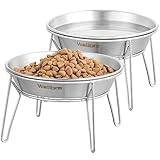
- DOUL BOWLS SET: This cat bowl set contains two elevated cat bowls, one for water and one for cat food. It can also be used to separate dry food and wet food.
- REDUCE SPINE PRESSURE: The ergonomic design allows your pet to take out everything without straining the neck. Elevated cat bowls prevent food from flowing back and prevent vomiting.
- WIDE AND NICE CAT FOOD DISH: The raised cat dish is shallow and wide to keep your cat’s whiskers from touching the edge of the dish while eating, prevents whisker fatigue and keeps its face clean.
2. Dr. Catsby’s Whisker Relief Cat Bowl
The Dr. Catsby’s Whisker Relief Cat Bowl features a wide, shallow design intended to minimize contact between your cat’s whiskers and the sides of the dish. It’s worth considering if your cat seems uncomfortable eating from deeper bowls or regularly pulls food onto the floor.
- Why consider it: Wide, shallow feeding surface designed to reduce whisker contact during meals.
- Best for: Picky eaters or cats that seem to prefer eating from flatter dishes.
- Pros: Dishwasher-safe, easy to clean, and has a sleek, practical design.
- Cons: Shallow design doesn’t hold much water, making it better suited for food.
If your cat tends to leave food around the edges of a deep bowl, a shallower dish may make it easier for them to reach their meal. While whisker fatigue hasn’t been firmly established as a medical condition, some cats do appear more comfortable eating from wider bowls.
Before buying a specialized bowl, you could try serving your cat’s food on a clean, shallow plate you already own. If they seem more comfortable eating that way, a wide feeding dish like this one might be worth considering.
I’d also pay attention to how much food your cat tends to push around while eating. Since this bowl is relatively shallow, placing it on an easy-to-clean feeding mat may help catch anything that spills over the edges.
Check Price and Availability on Amazon
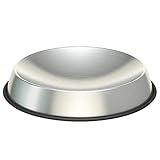
- ORIGINAL WIDE DISH: Shallow design means food doesn’t get stuck and prevents overfeeding. Patented design prevents whisker fatigue for stress free meals.
- SAFER FOR PETS: More hygienic than plastic. Non toxic and non allergic. Will not absorb bacteria and may detract feline acne.
- QUALITY CONSTRUCTION: Kitchen grade stainless steel is durable and easy to clean. It won’t hold onto smells. Dishwasher safe. Comes with a food grade silicone non-slip mat to prevent sliding on the floor.
Best Use Cases for Each Bowl Type
Both ceramic and stainless steel bowls can work well for cats, but the better choice depends on your cat’s eating habits, your household, and how much maintenance you’re comfortable with.
A bowl that works perfectly for one cat might be less practical for another. Rather than focusing on which material is universally better, think about how your cat actually eats and what would make your daily feeding routine easier.
You might even find that different cats in the same household prefer different setups. There’s nothing wrong with accommodating those preferences as long as the bowls are safe and easy to maintain.
When Ceramic Bowls Are the Better Fit
Ceramic bowls are worth considering in the following situations.
You Want Something That Matches Your Home
Ceramic bowls come in plenty of colors, patterns, and finishes, making them a good option if you prefer your cat’s feeding area to blend in with your kitchen or living room.
You can find simple, understated designs or something more decorative without sacrificing practicality, provided the bowl is made with a food-safe glaze.
If you’re choosing between two equally safe and practical bowls, there’s nothing wrong with picking the one you find more attractive. Just make sure the design doesn’t make cleaning difficult or create uncomfortable edges for your cat.
Your Cat Prefers a Stable Feeding Surface
The extra weight of ceramic helps keep the bowl in place, which can be useful for cats that tend to push their food around while eating.
Even calm cats can occasionally move lightweight bowls across smooth floors. A heavier ceramic dish can help prevent that movement without needing an additional stand or nonslip mat.
If your cat regularly pushes their bowl away while eating, try a heavier dish before assuming they’re being messy on purpose. Sometimes the problem is simply that the bowl moves too easily.
You Don’t Mind Checking for Damage
Ceramic bowls require a little more attention because they can chip or crack over time.
If you’re comfortable checking the surface while washing and replacing the bowl when necessary, ceramic can be a perfectly safe option. The important thing is making sure the glaze remains intact and the bowl is easy to clean.
You don’t need a complicated inspection routine. Just take a quick look at the rim and inside surface when washing the bowl, and replace it if you notice any cracks or chips.
You Occasionally Warm Your Cat’s Food
Some cats find slightly warmed wet food more appealing, particularly older cats or those with reduced appetites.
Many ceramic bowls are microwave-safe, making them convenient for warming food. Just check the manufacturer’s instructions first and make sure the food isn’t too hot before serving.
Stainless steel bowls should never be placed in the microwave.
If your cat seems uninterested in refrigerated wet food, try serving it closer to room temperature. You might find that a small change in temperature makes the food more appealing without needing to change their diet.
When Stainless Steel Bowls Are the Better Fit
Stainless steel is often the more practical choice when durability and easy cleaning are your main priorities.
You Want a Bowl That’s Easy to Keep Clean
Stainless steel has a smooth, nonporous surface that makes removing food residue and bacteria relatively straightforward.
This can be especially helpful for cats prone to chin acne or skin irritation, although regular cleaning remains important regardless of the material.
If you want something you can wash quickly without worrying about chipped glaze or accidental breakage, stainless steel is a reliable option.
This is particularly convenient if your cat eats wet food several times a day. Being able to quickly wash and reuse the same bowl, or swap it with a clean one, makes maintaining a hygienic feeding area much easier.
You Have Multiple Cats or a Busy Household
When you’re feeding several cats, having bowls that are easy to wash, stack, and replace can make daily routines much simpler.
Most stainless steel bowls are dishwasher-safe, and their durability means they can handle frequent use without much concern.
They’re also relatively inexpensive, so keeping several clean bowls available doesn’t have to cost much.
Having extra bowls also gives you more flexibility when feeding cats separately or setting up additional feeding stations. This can be useful if one cat eats faster than the others or prefers having their own space during meals.
Your Cat Is Messy During Meals
Some cats push their bowls around, knock them over, or eat enthusiastically enough to move their dishes across the floor.
Stainless steel handles this kind of activity well because it won’t shatter or chip if knocked off a feeding surface.
However, lightweight stainless steel bowls can slide more easily than ceramic. Choosing one with a nonslip base or placing it on a feeding mat can help keep it in place.
Before replacing a bowl because your cat keeps moving it, try changing the surface underneath. A simple nonslip mat might solve the problem without requiring you to buy an entirely new feeding setup.
You Want Something That Lasts for Years
A good-quality stainless steel bowl can last for many years with proper care.
If you’d rather buy a simple, durable feeding dish and not worry much about replacing it, stainless steel is generally the more convenient choice.
For everyday cat supplies, durability is often more valuable than extra features or decorative designs. A basic bowl that does its job well for years can be a better purchase than something expensive that offers little practical benefit.
Quick Reference: Which Bowl Works Best?
| Situation or Need | Recommended Material |
|---|---|
| Easy cleaning and hygiene | Stainless steel |
| Matching home decor | Ceramic |
| Cats prone to chin acne | Stainless steel |
| Warming food in the microwave | Microwave-safe ceramic |
| Affordable and long-lasting | Stainless steel |
| Stable, quieter feeding | Ceramic |
| Travel or outdoor feeding | Stainless steel |
Can You Use Both Ceramic and Stainless Steel?
Absolutely. There’s no reason you have to use the same material for every feeding station.
For example, you might prefer a heavier ceramic water bowl that stays in place and a stainless steel food bowl that’s easy to wash after every meal.
You can also try both materials and see which your cat seems more comfortable using. Some cats won’t show any preference at all, while others may respond better to a particular bowl’s weight, shape, or stability.
If your cat already eats comfortably from their current bowl, there’s no need to replace it just because another material has certain advantages. Sometimes the simplest approach is to keep what works and make adjustments only when there’s a reason to.
The best setup is the one that keeps your cat comfortable while making feeding and cleaning manageable for you. Both materials can be safe and practical when they’re well-made, properly maintained, and suited to your cat’s needs.
What Vets and Experts Recommend
If you’re having trouble deciding between ceramic and stainless steel cat bowls, veterinary and animal care recommendations can help narrow things down. Professionals generally focus on hygiene, durability, and how easy a bowl is to maintain rather than its appearance.
Stainless steel is often favored for its practicality, but that doesn’t mean ceramic is a poor choice. Both materials can work well when they’re safe, properly maintained, and comfortable for your cat.
It’s also worth remembering that veterinarians aren’t necessarily concerned with how expensive or attractive your cat’s bowl is. What matters is whether it provides a clean, safe feeding surface that you can maintain consistently.
Why Veterinarians Often Recommend Stainless Steel
Veterinarians frequently recommend stainless steel bowls because they’re durable, nonporous, and easy to clean thoroughly.
They can be particularly useful for cats dealing with:
- Feline chin acne or recurring skin irritation
- Certain allergies or skin sensitivities
- Health conditions that make good feeding hygiene especially important
Stainless steel doesn’t absorb moisture or food residue, and its smooth surface makes it easier to remove bacteria during regular washing.
Veterinary resources such as VCA Animal Hospitals discuss the importance of keeping feeding bowls clean when managing feline chin acne. Switching from plastic to a nonporous material such as stainless steel or ceramic may also be recommended.
However, changing bowl materials isn’t a guaranteed treatment for acne or other skin problems. If your cat has persistent irritation, a veterinarian should help determine the underlying cause.
If you notice black specks, redness, or irritation around your cat’s chin, take a look at their feeding setup while arranging veterinary advice. Switching to a clean stainless steel bowl may be a reasonable adjustment, but it shouldn’t replace proper treatment when a skin condition is already present.
Why Animal Shelters and Rescues Often Use Stainless Steel
Animal shelters and rescue organizations may care for dozens or even hundreds of cats, making cleanliness and efficiency especially important.
Stainless steel bowls are practical in these environments because they’re:
- Easy to stack and store, especially when large numbers are needed
- Simple to wash and sanitize, with many options being dishwasher-safe
- Durable enough for frequent handling without cracking or breaking
- Reusable between cats after proper cleaning and disinfection
When I volunteered at a cat shelter, I noticed they used large, flat stainless steel feeding bowls. My impression was that buying them in bulk and being able to stack them made them practical for a shelter caring for many cats. Seeing those bowls in use influenced my decision to switch my own cats to stainless steel, and I’ve been happy with that choice ever since.
These same advantages can be useful at home, particularly if you have multiple cats and regularly rotate clean food and water bowls.
One important distinction is that shelters generally follow specific cleaning and disinfection procedures. Simply using stainless steel doesn’t eliminate the need to wash bowls thoroughly, and cats should still have appropriate access to their own feeding resources.
You don’t need to follow a shelter’s entire cleaning routine at home, but the idea of keeping extra clean bowls available is worth borrowing. It makes feeding several cats easier and helps prevent dirty dishes from sitting around between meals.
When Experts Consider Ceramic a Good Choice
Ceramic bowls are also suitable for cats when they’re properly manufactured and maintained.
Veterinary professionals and feline behavior specialists may consider ceramic a reasonable option when:
- The bowl is made with a food-safe, lead-free glaze
- Its surface is smooth and free of cracks or chips
- It’s cleaned regularly and inspected for damage
- The cat benefits from a heavier, more stable feeding surface
Some cats may also prefer ceramic because it tends to stay in place and makes less noise when moved across hard surfaces.
For a nervous cat that dislikes clanging sounds or a cat that constantly pushes lightweight bowls around, these differences can matter more than appearance.
The bowl’s shape and placement are also worth considering. A wide, shallow ceramic dish may be more comfortable for some cats than a narrow stainless steel bowl, although the same comfortable shape is available in both materials.
If your cat seems hesitant around a particular bowl, try changing one thing at a time. For example, switching to a heavier dish or moving the feeding station somewhere quieter can help you figure out whether the bowl itself is causing discomfort.
Summary of Expert Recommendations
| Expert Perspective | Practical Recommendation |
|---|---|
| Veterinarians | Stainless steel or undamaged, food-safe ceramic; prioritize hygiene |
| Animal shelters and rescues | Stainless steel is practical for frequent cleaning and heavy use |
| Feline behavior specialists | Consider bowl stability, shape, noise, and the cat’s preferences |
| Holistic veterinary practitioners | Food-safe ceramic may be suitable when properly maintained |
What Should You Take Away From These Recommendations?
Stainless steel is generally the more practical default, especially if you want a durable bowl that’s easy to clean and unlikely to need frequent replacement.
However, there’s no need to avoid ceramic if your cat already uses it comfortably. A high-quality ceramic bowl with an intact, food-safe glaze can provide a hygienic feeding surface when properly maintained.
The most useful advice isn’t to buy a particular material at all costs. It’s to choose a safe, nonporous bowl, clean it regularly, and pay attention to how comfortably your cat eats from it.
Those habits matter far more than whether your cat’s bowl happens to be ceramic or stainless steel.
If your cat is already eating comfortably from a clean, undamaged bowl, there’s no need to make changes just because another material is more commonly recommended. Sometimes good cat care is simply recognizing what’s already working and maintaining it properly.
FAQs
Are ceramic bowls safe for cats?
Yes, ceramic bowls are safe for cats as long as they’re made with food-safe, lead-free glazes and remain in good condition. The main concern is that ceramic can chip or crack, creating damaged surfaces that are harder to clean thoroughly.
Check your cat’s bowl regularly, especially around the rim and inside surface. If you notice cracks, chips, or damaged glaze, it’s best to replace it rather than risk continued use.
You don’t need to inspect every inch of the bowl each time you wash it. Just pay attention to how the surface looks and feels during cleaning. If you notice a rough spot that wasn’t there before, take a closer look before using it again.
How often should I wash my cat’s bowl?
Ideally, wash your cat’s food bowl after every meal, particularly when serving wet food. Water bowls should be washed daily and refilled with fresh water.
Warm water and dish soap are usually sufficient for routine cleaning, although dishwasher-safe bowls can also be cleaned in the dishwasher.
Stainless steel is especially convenient because it handles frequent washing well, but ceramic bowls are also easy to clean when their glaze is intact.
If you’re feeding multiple cats or serving several meals throughout the day, keeping a few extra clean bowls available can make things easier. Instead of washing the same dish immediately every time, you can swap it out and clean the used bowls together afterward.
Can cats be allergic to stainless steel?
It’s uncommon, but some cats may develop contact reactions to certain metals, including nickel found in some stainless steel alloys.
Choosing a high-quality, food-grade stainless steel bowl, such as 304-grade (18/8), is a sensible option for durability and corrosion resistance. However, this grade still contains nickel, so it doesn’t guarantee that a cat with a genuine nickel sensitivity won’t react.
If you notice irritation around your cat’s mouth or chin, consult your veterinarian rather than assuming the bowl material is responsible.
It’s worth checking whether the irritation appears after meals or whether your cat has other symptoms, too. These observations can be useful when discussing the problem with your veterinarian, especially since feline acne and skin irritation can have several possible causes.
Does the bowl’s shape matter too?
Yes. The width and depth of a bowl can affect how comfortably your cat eats.
Some cats seem to prefer wide, shallow bowls because their whiskers don’t constantly brush against the sides. This discomfort is often called whisker fatigue, although the condition hasn’t been firmly established through scientific research.
If your cat regularly pulls food out of the bowl or seems hesitant to eat from a deep dish, trying a wider, shallower option may help.
Before assuming your cat dislikes their food, take a look at how they’re eating. If they seem to struggle with reaching food along the edges or bottom of a deep bowl, a simple change in dish shape might make mealtimes more comfortable.
Can I use both ceramic and stainless steel bowls?
Absolutely. There’s no reason to choose just one material for every feeding station.
For example, you might use a heavier ceramic water bowl because it stays in place and a stainless steel food bowl because it’s durable and easy to wash after meals.
You can also use different bowls for different cats if they have their own preferences. One cat might do better with a heavier dish that doesn’t move, while another may be perfectly comfortable eating from a lightweight stainless steel bowl.
What matters most is that both bowls are food-safe, cleaned regularly, and free from damage. If your cat is already comfortable with their current setup, there’s no need to change everything simply to use a different material.
Conclusion: Which Cat Bowl Should You Choose?
For most cat owners, stainless steel is the more practical choice. It’s affordable, durable, easy to clean, and can last for years without needing replacement. If you’re buying new bowls and aren’t sure where to start, a simple, food-grade stainless steel dish is a reliable option.
Ceramic is still a good choice, particularly if your cat benefits from a heavier bowl that stays in place or you prefer something that matches your home. Just make sure it’s made with a food-safe glaze and doesn’t have any chips or cracks.
Personally, I’d recommend stainless steel because I’ve used it for years and really like how practical and durable it is. My cats didn’t seem to notice any difference when I switched from ceramic to stainless steel, since both provided plenty of room for their whiskers. That said, I think ceramic bowls are often prettier, and I understand why someone would prefer them. I’ve always leaned more toward function than appearance, possibly because of my experience volunteering at a shelter, but ultimately it’s up to the owner and what works best for their cats.
You also don’t have to spend much to get a good bowl. Sometimes a basic $10 dish is all your cat needs, and spending more on decorative designs or extra features won’t necessarily make their meals any better.
Here’s what I’d prioritize when choosing either material:
- Choose a wide, shallow bowl that allows your cat to eat comfortably without struggling to reach the food.
- Wash food bowls after meals, especially when serving wet food, and clean water bowls daily. Keeping a few spare dishes makes this easier when you’re busy.
- Inspect bowls for damage. Replace chipped or cracked ceramic and stainless steel that shows rust or significant deterioration.
- Pay attention to your cat’s behavior. If they’re constantly pushing their bowl around, pulling food onto the floor, or seeming uncomfortable during meals, consider trying a different shape or material.
- Don’t replace a perfectly good bowl unnecessarily. If your cat is eating comfortably from a safe, undamaged ceramic or stainless steel dish, there’s no reason to change it simply because another option is more popular.
If you’re caring for multiple cats, keeping a few extra stainless steel bowls available can also make feeding and cleanup much easier. Having enough bowls for everyone can be more useful than investing in one expensive feeding setup, especially if your cats prefer eating in different areas.
The material matters, but how you use and maintain the bowl matters just as much. A clean, well-made dish that suits your cat’s eating habits will do more for their everyday comfort than an expensive bowl with features they don’t need.
Pay attention to what works for your cat rather than worrying about finding the perfect bowl. If they’re eating comfortably, their dish stays clean, and you’re able to maintain it without much trouble, you’ve probably already made a good choice.
The Right Bowl Isn’t Just About Aesthetics — It’s About Health, Hygiene, and Happiness
Ceramic and stainless steel bowls both have pros and cons, but the best option for your cat depends on their needs, your cleaning habits, and what supports long-term wellness. From preventing chin acne to reducing bacteria, the right bowl can quietly improve your cat’s daily life.
Unsure which material is best? Start here:
- Add height for comfort: Elevated Feeding Bowls: Should You Use Them?
- Slow down fast eaters safely: Best Slow Feeders for Fast-Eating Cats
- Encourage hydration too: Best Cat Water Fountains (And Why They’re Better)
- Health guidance from experts: Cornell Feline Health Center – Feeding & Nutrition »
- Safety tips for feeding gear: ASPCA – Cat Care Basics: Bowls & Feeding Tools »
- Browse our favorite picks above or check out our full guide on Best Cat Food Bowls for Messy Eaters for more recommendations.
- For even more expert-backed information on pet product safety, visit VCA Animal Hospitals or The Spruce Pets — two trusted sources in feline health.
Pro Tip: Stainless steel is generally safer and easier to clean long-term — but ceramic is great if it’s lead-free, chip-free, and has a heavy base your cat won’t tip.
The bowl you choose touches your cat’s life multiple times a day — make it a choice that supports their health, comfort, and happiness.
Disclaimer: The information provided on this site is for general informational purposes only. It is not intended as veterinary advice, diagnosis, or treatment. Always seek the guidance of a licensed veterinarian before making decisions about your pet’s health.
Results Disclaimer: Results may vary. Our recommendations are based on editorial research and do not guarantee specific outcomes.
Accuracy Notice: We strive to keep content accurate and up to date. However, always verify current information and consult a veterinarian for personalized guidance.

James Kim is the founder of SavingNineLives.com, a passion project dedicated to improving the lives of rescue cats through practical care tips, adoption guides, and heartfelt advocacy. Though not a veterinarian, James is a lifelong cat lover who collaborates with animal welfare volunteers, rescue shelters, and vet-reviewed sources to ensure accurate, trustworthy information. His mission is simple: to help cat parents make informed, compassionate decisions that support feline health and well-being.
When he’s not writing, James is busy fostering cats, volunteering at local shelters, and testing cat-friendly products to recommend only the best to readers. Every article on this site is carefully researched and reviewed to meet the highest standards for cat health content.
Experience: 10+ years of hands-on experience with rescue cats
Content Vetting: Collaborates with vet techs and rescue workers
Trust & Transparency: All products and advice are shared with affiliate disclosures and reader safety in mind
Follow James and the Saving Nine Lives journey as we help one rescue cat at a time.