
Cat Trees vs Cat Towers: What’s the Difference?
Last Updated on January 1, 2026 by James Kim
Affiliate Disclosure:
This post may contain affiliate links. If you click through and make a purchase, I may earn a small commission at no extra cost to you. As an Amazon Associate I earn from qualifying purchases. I only recommend products I believe bring genuine value. Thank you for supporting this site.
Note: This article is for informational purposes only and is not a substitute for professional veterinary advice. Always consult your vet for your cat’s specific needs.
If you’re a cat parent, you’ve probably come across the terms cat tree and cat tower while shopping for feline furniture. At first glance, they might seem like the same thing — tall structures covered in carpet with platforms, posts, and maybe even a dangling toy or two. But there are subtle yet important differences between cat trees and cat towers that can affect how well they suit your cat’s needs, especially when it comes to space, activity level, and budget.
Choosing the right vertical space for your cat is more than just an aesthetic decision. Indoor cats rely on structures like these to scratch, climb, perch, and feel secure in their environment. Whether you’re trying to save your furniture from claw marks or enrich your cat’s daily routine, investing in the right piece of cat furniture can make a big difference in your pet’s well-being.
In this guide, we’ll break down the difference between cat trees and cat towers, compare their features side-by-side, and help you decide which one is the best fit for your home — and your feline. Let’s get started.
What Is a Cat Tree?
A cat tree—also known as a cat condo or cat playground—is a multi-level piece of furniture designed to offer cats a space to climb, play, scratch, and relax. It typically features several platforms at varying heights, built-in scratching posts (often wrapped in sisal rope), hideaway cubbies or condos, and sometimes toys or hammocks.
Cat trees are designed to mimic the vertical spaces cats instinctively seek in the wild, like branches or ledges. These structures not only satisfy their natural climbing and scratching urges but also give them a safe, high-up place to observe their territory—which is especially important in multi-cat households where social hierarchy matters.
Common Features of a Cat Tree
- Scratching Posts: Essential for nail maintenance and territory marking.
- Perches: Great for lounging or looking out windows.
- Hideouts/Condos: Provide a cozy space to nap or retreat.
- Hanging Toys: Encourage play and mental stimulation.
- Ramps or Stairs: Helpful for kittens or senior cats.
Cat trees vary greatly in size, from small floor-standing units suitable for one cat, to elaborate jungle gyms that span floor to ceiling. Because they’re more spread out, cat trees usually require a bit more floor space—but they also offer more opportunities for rest and recreation.
Best For:
- Multi-cat households
- Active or playful cats
- Cats who love variety in climbing, scratching, and hiding
What Is a Cat Tower?
A cat tower is a vertical structure designed primarily for climbing and perching, often taller and more streamlined than a traditional cat tree. While it may include some of the same features—like platforms or scratching areas—a cat tower focuses more on height and efficient use of space, making it ideal for smaller homes or apartments where floor space is limited.
Think of a cat tower as a feline skyscraper. These structures encourage cats to scale upwards, satisfying their instinct to climb and survey their surroundings from high vantage points. Some models are even floor-to-ceiling tension towers, which can be mounted between the floor and ceiling for added stability without taking up much room.
Common Features of a Cat Tower
- Tall Vertical Design: Often much taller than cat trees, ideal for climbers.
- Stacked Platforms: Ladder-like or spiraling shelves for easy access upward.
- Wall-Mounted or Free-Standing Options: Depending on the design and available space.
- Minimalist Aesthetic: Often designed with modern, sleek lines for smaller or contemporary living spaces.
- Some Include Scratching Surfaces or Lounging Areas: But typically less variety than cat trees.
Cat towers are often more compact in footprint but still deliver plenty of vertical territory, which is important for cats that enjoy surveying their environment from up high.
Best For:
- Cats that love climbing or prefer high perches
- Small homes or apartments
- Minimalist or modern interior designs
- Solo cats who don’t need multiple hideouts
Key Differences Between Cat Trees and Cat Towers
While cat trees and cat towers both serve the purpose of enhancing your cat’s vertical space, they differ significantly in design, function, and suitability. Below is a detailed comparison to help you understand how they stack up—pun intended.
Comparison Table: Cat Tree vs Cat Tower
| Feature | Cat Tree | Cat Tower |
|---|---|---|
| Height | Medium to tall (usually 3–6 feet) | Tall to extra tall (can exceed 7 feet or go floor-to-ceiling) |
| Structure | Wide base, multiple branches or levels, spacious | Slim and vertical, stacked platforms or shelves |
| Footprint | Requires more floor space | Compact base, ideal for tight spaces |
| Stability | Typically freestanding with a broad, stable base | May require anchoring or tension mounting for safety |
| Enrichment Variety | Offers lounging, hiding, scratching, and playing options | Focused on climbing and perching |
| Design Style | Playful, cozy, pet-focused aesthetic | Modern, minimalist, furniture-blending design |
| Ease of Access | Suitable for all ages (includes ramps or low steps) | Better for agile, mobile cats |
| Best For | Multi-cat households, playful or lounging cats | Climbing-focused cats, small homes or apartments |
Quick Summary
- Choose a cat tree if your cat enjoys lounging in cubbies, scratching different posts, and needs variety in one piece of furniture.
- Choose a cat tower if your cat loves to climb, perch, and you’re limited on space or prefer a sleek, vertical look.
Which One Is Better for Your Cat?
When it comes to choosing between a cat tree and a cat tower, the best option depends on your cat’s personality, age, mobility, household setup, and available space. There’s no one-size-fits-all answer—but here’s how to make an informed decision.
1. Consider Your Cat’s Personality
- Laid-back loungers may prefer the comfort and variety of a cat tree with multiple perches, cozy cubbies, and room to stretch out.
- High-energy climbers and jumpers often love tall cat towers that challenge them physically and offer rewarding high perches.
2. Think About Your Cat’s Age and Agility
- Kittens and young cats typically do well with either, though they may enjoy the stimulation of taller towers.
- Senior cats or those with mobility issues benefit from trees with ramps, lower platforms, or gentle steps.
- Large breeds (like Maine Coons) need sturdier structures, often better supported by cat trees with a wider base.
3. How Many Cats Do You Have?
- In multi-cat households, a sprawling cat tree provides more lounging zones and personal space to avoid territorial issues.
- If you have one cat, a vertical tower may be enough—especially if they prefer climbing or you pair it with other enrichment options.
4. Evaluate Your Living Space
- Small apartment or tight space? Go for a narrow tower that maximizes height and minimizes floor usage.
- Have more room? A multi-level tree with several resting and play zones can become your cat’s kingdom.
5. Match It to Your Lifestyle & Aesthetics
- Prefer modern, minimal design? Cat towers often look sleeker and less “pet furniture-like.”
- Want a full enrichment station? Cat trees with toys, condos, and scratching posts offer all-in-one functionality.
Bottom Line:
- Choose a cat tree if your cat enjoys variety, lounging, and scratching—all in one place.
- Choose a cat tower if your cat loves to climb, perch, and you’re working with limited space.
- Can’t decide? Some owners invest in both, offering the best of both worlds in different parts of the home.
Safety and Stability Concerns
No matter how fun or stylish a piece of cat furniture looks, safety should always come first. Whether you’re considering a cat tree or a cat tower, understanding how to choose a stable and secure option is essential—especially for multi-cat households, large breeds, or high-jumping felines.
1. Stability is Key
- Wobbling or tipping is not only scary for your cat but also dangerous.
- Look for broad, weighted bases on cat trees to ensure balance.
- For tall cat towers, especially floor-to-ceiling designs, consider ones that can be anchored to the wall or ceiling for maximum stability.
2. Material & Build Quality
- Cheap materials like flimsy particle board or thin carpeting may save money upfront but wear down quickly—and become unsafe.
- Sturdy plywood, engineered wood, or solid platforms are better for durability and weight-bearing.
- Sisal-wrapped posts should be securely fastened to prevent unraveling or detachment.
3. Anchoring and Mounting Options
- Some towers come with wall mounts or tension rods, which are ideal for renters and small-space setups.
- For towers over 6 feet tall, anchoring is highly recommended, especially if your cat is active or tends to leap onto the top perch from a distance.
4. Weight Limits Matter
- Check the manufacturer’s weight capacity, especially if you have large or multiple cats.
- Exceeding weight limits can cause shelves or platforms to bend or break.
5. Regular Inspections
- No matter how well-built your furniture is, give it a monthly check:
- Are any screws loose?
- Are the posts wobbly?
- Is the carpet or sisal worn down or coming off?
Pro Tip:
For households with children or other pets, place cat furniture in a low-traffic area to reduce the risk of it being bumped or knocked over.
Bonus: Can You Use Both?
Absolutely — and in many cases, using both a cat tree and a cat tower can be the ideal solution for providing full-spectrum enrichment to your feline friend.
Why Use Both?
Cats, especially indoor ones, benefit from a diverse environment that mimics their natural instincts to climb, scratch, hide, lounge, and observe from high places. By combining a cat tree and a cat tower, you can create zones of activity throughout your home, each catering to different needs.
- A cat tree in the living room can serve as a play-and-rest hub, complete with scratching posts, cubbies, and toys.
- A cat tower placed near a window or balcony door can function as a lookout post, giving your cat the perfect perch to bird-watch and sunbathe.
Great for Multi-Cat Households
Multiple cats often need individual spaces to reduce tension and promote harmony. Having both a tree and a tower lets each cat claim their own territory—one may love the top of the tower, while another may prefer the cozy hideout in the tree.
Flexibility for All Ages and Sizes
- Kittens can zoom up the tower while also playing with the hanging toys on the tree.
- Seniors or less agile cats may use the more accessible tree platforms, ramps, or lower perches.
- Large cats can enjoy the sturdier base of the tree, while still exploring the heights of a well-secured tower.
Design Tip
Strategically placing one in a quiet room and the other in a social space allows your cat to choose between solitude and interaction. It also reduces wear on a single piece of furniture, extending the lifespan of both.
In short:
Yes, you can—and in many cases, should—use both a cat tree and a cat tower. The combination offers more engagement, more territory, and more opportunities for your cat to be mentally and physically active.
Best Cat Trees and Towers on the Market
(Editor’s Picks: Top-Rated Options for Every Home)
Choosing between a cat tree and a cat tower becomes much easier when you can compare some of the best-reviewed, most loved models available. Below are a few curated options that suit a range of needs—from small apartments to multi-cat households.
Best Overall Cat Tree
Yaheetech 72-Inch Cat Tree & Condo
[Check on Amazon]
- Pros: Multiple platforms, 2 enclosed condos, sisal-wrapped posts
- Cons: Takes up more floor space
- Best For: Multi-cat households or active climbers

- ALL-IN-ONE CAT HOUSE: Furnished with one top platform, two cat-ear-shape perches, two cozy condos, one ladder, and the multilevel cat tree tower gives your cat a fun and compact place to play, exercise, or a warm house for a good nap
- CAT SCRATCHER: Several sisal scratching posts at different heights satisfy several cats and their various scratching habits and, more importantly, free your fine furniture from those sharp little claws
- DANGLING BALL: The top perch hang a ball, adding extra fun for your furry cats, and you can remove it or replace it with your toys
Best Minimalist Cat Tower
Vesper V-High Base Modern Cat Tower
[Check on Amazon]
- Pros: Sleek wooden design, cushioned resting spots, compact footprint
- Cons: Limited vertical height for climbers
- Best For: Small spaces, modern decor, single-cat homes
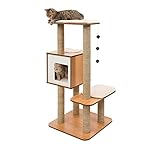
- Elegant yet practical line of cat furniture that satisfies the daily activity needs of fussy felines
- Cat tower has a cube with multiple exits for your cat to relax (or play) in
- Soft memory foam cat bed cushions
Best Heavy-Duty for Large Cats
FEANDREA Multi-Level Cat Tree for Large Cats
[Check on Amazon]
- Pros: Wide base, reinforced platforms, ideal for large breeds
- Cons: May require corner placement
- Best For: Maine Coons, Ragdolls, or multiple cats

- Exclusive Luxury for Cats: Your feline friends need a cozy home of their own to play, take a nap or jump around; this cat house is sure to be their dream-come-true
- All-in-One Playground: 2 roomy condos offer luxurious napping experience; 3 plush perches with raised edges allow your cat to rest on its head while watching over the house; sisal-covered slope adds so much more fun for playtime
- Stability Is Always Priority: Constructed by particleboard and strengthened with battens at the bottom to ensure overall stability; anti-toppling fittings are included for double security
Best Window Tower for Bird-Watching
FUKUMARU Tall Lookout Cat Tower
[Check on Amazon]
- Pros: Tall, stylish, perfect for placing near a window
- Cons: Premium price point
- Best For: Solo cats who love vertical views

- DESIGNED EXCLUSIVELY FOR SMALL & MEDIUM CATS – This 5-tier wall-mounted cat tree is specially crafted for small to medium cat breeds (max weight 15 lbs), perfectly satisfying cats’ natural instincts of climbing, high-place lookout, perching and scratching. (The compact platforms are designed for perching and climbing transit, nor for long-time full-body lying down)
- FLEXIBLE DESIGN – The scratching post of the cat tree is 360°rotable, when you find one side is worn, you can turn it over and use it on the other side. The cat platform, which is not mounted to the wall, is 180°rotable, you can DIY a spiral ladder for your cats. Moreover, the height is adjustable, you can remove some of the posts to change its height.
- STABLE AND SAFE – Benefit from its wall mounted design, the cat tree tower can give your cats a stable support for climbing and play. And each platform of the cat climbing tower is covered with jute rope, your cats will not slip-off easily when they use it, giving their more sense of security.
Budget-Friendly Pick
Amazon Basics Cat Tree with Platform and Scratching Posts
[Check on Amazon]
- Pros: Affordable, simple setup, space-saving
- Cons: Limited features, not suitable for large cats
- Best For: First-time buyers or small kittens

- Ideal for small to medium size cats up to 25lbs,1-2 cats
- Multi-platform cat tree with scratching posts
- Helps keep your cat from damaging carpets, furniture, curtains, and more
Pro Tip: Modular Option
Kitty City Claw Indoor Mega City Modular Cat Furniture
[Check on Amazon]
- Pros: Premium materials, customizable setup, stunning design
- Cons: Expensive
- Best For: Design-conscious owners, long-term investment

- A cat magnet Your cats will love it
- Easy to change modular design to fit any space. Lightweight, and easy to move.
- Scratching, lounging, playing, jumping, hiding in different levels
Final Thoughts
While the terms cat tree and cat tower are often used interchangeably, they serve slightly different purposes—and understanding those differences can help you make the best choice for your feline friend.
- Cat trees offer more variety in lounging, playing, and scratching. They’re great for multi-cat households or cats who love to sprawl, hide, and scratch.
- Cat towers shine in vertical height and space-saving design, perfect for climbers and homes with limited floor space.
Ultimately, the “right” choice depends on your cat’s behavior, your living space, and your budget. In some cases, a combination of both might give your cat the most fulfilling environment—especially if you’re building out multiple enrichment zones.
Whichever route you choose, investing in high-quality cat furniture pays off through happier, healthier, and more mentally stimulated cats. And as a bonus, it helps save your couches, curtains, and sanity.
Cat Tree or Cat Tower? Know the Difference — and Pick What’s Best for Your Cat
Both cat trees and cat towers offer climbing fun, cozy napping spots, and vertical territory — but they’re not one-size-fits-all. Whether your cat needs more height, more hideouts, or just a scratching-safe perch, choosing the right setup can make a world of difference in their health, confidence, and happiness.
Trying to decide which one’s right for your cat? Start here:
- Full comparison & buying guide: Cat Trees vs Cat Towers: What’s the Difference?
- Looking for wall-based options instead? Best Wall-Mounted Cat Shelves for Happy, Healthy, and Active Cats in 2026
- Shopping on a budget? Best Budget-Friendly Cat Beds (That Your Cat Will Actually Love)
- Encourage active indoor play: Fun Ways to Build a Cat Obstacle Course at Home (On a Budget)
- Expert enrichment advice: International Cat Care – Creating a Cat-Friendly Home »
- ASPCA on vertical space & enrichment: ASPCA – Environmental Enrichment for Cats »
- Explore our favorite picks: Check out our Top 10 Cat Trees for Apartments and Best Modern Cat Towers for Small Spaces for product reviews, space-saving tips, and real-world pros and cons.
- Shop our recommended products: Browse Amazon’s Best-Selling Cat Trees or find premium, design-focused towers at Tuft + Paw.
Pro Tip: Got multiple cats? Go for height and variety. Towers with multiple levels and trees with sisal posts give everyone their own space to scratch, play, and perch.
Whether you choose a tree, a tower, or both — giving your cat vertical territory is a game-changer for their confidence, health, and happiness.
Disclaimer: The information provided on this site is for general informational purposes only. It is not intended as veterinary advice, diagnosis, or treatment. Always seek the guidance of a licensed veterinarian before making decisions about your pet’s health.
Results Disclaimer: Results may vary. Our recommendations are based on editorial research and do not guarantee specific outcomes.
Accuracy Notice: We strive to keep content accurate and up to date. However, always verify current information and consult a veterinarian for personalized guidance.

James Kim is the founder of SavingNineLives.com, a passion project dedicated to improving the lives of rescue cats through practical care tips, adoption guides, and heartfelt advocacy. Though not a veterinarian, James is a lifelong cat lover who collaborates with animal welfare volunteers, rescue shelters, and vet-reviewed sources to ensure accurate, trustworthy information. His mission is simple: to help cat parents make informed, compassionate decisions that support feline health and well-being.
When he’s not writing, James is busy fostering cats, volunteering at local shelters, and testing cat-friendly products to recommend only the best to readers. Every article on this site is carefully researched and reviewed to meet the highest standards for cat health content.
Experience: 10+ years of hands-on experience with rescue cats
Content Vetting: Collaborates with vet techs and rescue workers
Trust & Transparency: All products and advice are shared with affiliate disclosures and reader safety in mind
Follow James and the Saving Nine Lives journey as we help one rescue cat at a time.