
Best Wall-Mounted Cat Shelves for Happy, Healthy, and Active Cats in 2026
Last Updated on October 13, 2026 by James Kim
Affiliate Disclosure:
This post may contain affiliate links. If you click through and make a purchase, I may earn a small commission at no extra cost to you. As an Amazon Associate I earn from qualifying purchases. I only recommend products I believe bring genuine value. Thank you for supporting this site.
Note: This article is for informational purposes only and is not a substitute for professional veterinary advice. Always consult your vet for your cat’s specific needs.
Your cat might have a perfectly good cat tree and still prefer climbing onto bookshelves, cabinets, or the highest piece of furniture they can reach. Cats naturally enjoy exploring elevated spaces, and giving them more places to climb, rest, and observe their surroundings can make their indoor environment much more interesting. Sometimes, a quiet spot above the activity in your home is exactly what a cat wants.
Wall-mounted cat shelves are a great way to create that extra space without sacrificing much of your floor. You can arrange them into climbing paths, connect different resting spots, or simply give your cat a comfortable perch overlooking the room. They’re especially useful in smaller homes where adding another large cat tree isn’t practical. Even a few well-placed shelves can give your cat new places to explore without requiring a complete room makeover.
Of course, not every shelf will work for every cat. Some need wider platforms for lounging, while others enjoy having multiple levels to jump between. You’ll also want something sturdy, easy to install, and suitable for your cat’s size and activity level. Pay attention to where your cat already likes to spend time, since those preferences can help you decide where to install the shelves and what kind of setup they’ll actually use.
In this guide, we’ll explore the 10 best wall-mounted cat shelves of 2026, from affordable individual platforms to elaborate climbing systems. We’ll also cover what to look for before buying, how to install shelves safely, and ways to help your cat feel comfortable using them.
Why Wall-Mounted Cat Shelves Are Worth Considering
Cats naturally enjoy climbing, jumping, and exploring their surroundings. Outdoors, climbing gives them a better view of their environment and can help them avoid potential threats. Indoor cats have many of those same instincts, even if they spend most of their day relaxing on the couch.
Wall-mounted shelves give cats a way to explore vertical space, find comfortable resting spots, and observe household activity from above. They can be especially helpful when your home has limited room for additional cat furniture. You don’t necessarily need an elaborate climbing system, either. A few thoughtfully placed shelves may be enough to make an otherwise unused wall more interesting to your cat.
Here are five reasons you might want to consider adding them to your home.
1. Encourages Natural Climbing Behavior
Climbing is a normal part of feline behavior, and many cats will seek out elevated spots whether you provide them or not. That’s why you might find your cat sitting on top of a cabinet or trying to reach a bookshelf.
Wall-mounted shelves give them designated places to climb, jump, and perch. Having more opportunities to explore can also help relieve boredom and may reduce unwanted behaviors associated with a lack of stimulation, such as excessive meowing or scratching furniture.
Consider placing shelves near areas your cat already enjoys exploring. A climbing setup is more likely to get used when it fits naturally into your cat’s existing habits rather than being installed somewhere they rarely visit.
My cats had very different preferences when it came to their tall cat trees. Baby loved the highest platforms and could often be found looking down at everyone, while Diba preferred the spacious middle levels near a window. Cornelius enjoyed climbing too, although he was just as happy hiding in a tunnel or under the blankets. Watching them taught me that cats don’t necessarily want the same kind of elevated space.
2. Saves Valuable Floor Space
Cat trees can take up quite a bit of room, especially if you have several cats or live in a smaller apartment.
Wall-mounted shelves make use of space that would otherwise go unused. You can create a simple climbing path or a more elaborate setup without filling your living room with additional furniture.
For cat owners who want to provide more enrichment while keeping their homes relatively uncluttered, this can be a practical solution. Just remember that you’ll need enough clear space around the shelves for your cat to jump and move comfortably, even if the shelves themselves don’t occupy any floor space.
3. Helps Reduce Stress in Multi-Cat Homes
Even cats that get along well don’t necessarily want to spend every moment together. Sometimes, they just need a comfortable place where they can relax without another cat bothering them.
Adding vertical spaces gives each cat more options for resting, exploring, and keeping their distance when needed. This can help reduce competition over favorite spots and ease tension in multi-cat households.
With three cats, I found that having plenty of comfortable resting spots helped keep competition to a minimum. Cornelius occasionally had his own way of claiming a spot, though. He would jump up beside Baby or Diba, start grooming them, and seek some grooming in return until they eventually got annoyed and left. There was rarely any hissing or swatting involved, but Cornelius usually ended up with the spot he wanted.
Just make sure your shelves have safe entry and exit routes so one cat can’t easily trap another. If you have multiple cats, consider creating more than one resting area rather than expecting everyone to share the same favorite perch. Giving cats the freedom to choose where they spend their time can make a shared living space more comfortable.
4. Encourages Exercise and Helps With Weight Management
Indoor cats don’t always get as much physical activity as they need, particularly if their environment doesn’t offer many opportunities to climb or play.
Wall-mounted shelves encourage cats to move between different heights, jump onto platforms, and explore their surroundings. These activities help keep their muscles engaged and contribute to their daily exercise.
Shelves alone won’t prevent weight gain, but they can be a useful addition to regular playtime and an appropriate feeding routine. You can also encourage movement by incorporating the shelves into interactive play, allowing your cat to climb and explore while chasing a favorite toy.
My cats had very different preferences when it came to their tall cat trees. Baby loved the highest platforms and could often be found looking down at everyone, while Diba preferred the spacious middle levels near a window. Cornelius enjoyed climbing too, although he was just as happy hiding in a tunnel or under the blankets. Watching them taught me that cats don’t necessarily want the same kind of elevated space.
5. Gives Shy or Anxious Cats a Place to Feel Safe
Some cats feel more comfortable watching household activity from a distance rather than being right in the middle of everything.
An elevated perch can give a shy or nervous cat a quiet place to observe what’s happening without feeling pressured to interact. This can be particularly helpful for newly adopted cats that are still getting used to their surroundings.
Not every anxious cat prefers heights, though. Some feel safer hiding in enclosed spaces closer to the ground. Pay attention to where your cat naturally chooses to relax, and use those preferences to guide your setup.
If your cat is hesitant to explore a new shelf, there’s no need to rush them. Let them investigate at their own pace, and make sure they always have access to familiar resting spots where they already feel comfortable.
What to Look for in a Great Wall-Mounted Cat Shelf
A good wall-mounted cat shelf needs to be more than something that looks nice on your wall. It should feel secure when your cat jumps onto it, provide enough room to move comfortably, and hold up to regular use.
The right choice depends on your cat’s size, activity level, and preferences, along with the space available in your home. Before buying a shelf system and drilling holes in your walls, here are eight things worth considering.
1. Material Quality and Durability
Cats can put considerable force on a shelf when jumping onto or off it, so sturdy construction matters.
Look for shelves made from durable, cat-safe materials such as solid wood, metal, or quality engineered wood. Carpeted or felt-covered surfaces can provide additional grip, while flimsy plastic and poorly finished materials may be more likely to crack, wear down, or become slippery.
A few features worth checking:
- Smooth, rounded edges that won’t scratch or injure your cat
- Strong brackets or reinforced supports
- Materials tested to support your cat’s weight, especially for larger breeds
A shelf might look sturdy in product photos, but checking its construction and weight specifications will give you a better idea of how well it will hold up. Customer reviews can also be helpful here, particularly when owners mention how the shelves perform after months of regular use rather than immediately after installation.
When I bought tall cat trees, I always looked for sturdy bases that wouldn’t tip over easily. Those trees ended up lasting for years, even with three cats using them. That experience made me appreciate the value of investing in sturdy cat furniture rather than choosing something based on appearance alone.
2. Weight Capacity
Weight capacity is especially important if you have a larger cat or expect multiple cats to use the same platform.
Most reputable manufacturers provide a maximum weight rating. As a general precaution, choose a shelf rated to support at least 25–30% more than your cat’s weight rather than buying something close to the limit.
For heavier cats, shelves rated for 20–40 pounds may be appropriate, depending on their size and how the product is installed.
Don’t rely on appearance alone. A thick wooden shelf isn’t necessarily safe if its brackets or mounting hardware can’t support the weight. Remember that jumping also places additional stress on the shelf.
If two cats might jump onto the same platform, account for their combined weight rather than assuming they’ll always use it separately. It’s better to have more support than you think you’ll need.
3. Ease of Installation
Even a well-made shelf can become unsafe if it isn’t installed correctly.
For most setups, securing the mounting brackets directly into wall studs provides the strongest support. Heavy-duty drywall anchors may be suitable for certain products, but only when the manufacturer specifically approves them for the intended load and wall type.
Look for shelves that include:
- Clear installation instructions and mounting templates
- Appropriate screws, brackets, and other necessary hardware
- Mounting options compatible with common U.S. stud spacing, typically 16 inches on center
Before purchasing, check where your wall studs are located. It’s much easier to choose shelves that fit your available mounting points than to discover installation problems after they arrive.
Once installed, check that each shelf feels completely secure before allowing your cat to use it. It’s also worth inspecting the mounting hardware periodically, especially if your cat frequently jumps between platforms.
4. Grip and Traction
Cats need a secure surface to land on, especially when jumping between shelves at different heights.
Smooth wood and plastic can be slippery, particularly for cats that move quickly or have trouble maintaining their footing. Carpet, sisal, felt, and other textured surfaces can provide better traction.
Some manufacturers also offer removable grip pads or washable covers, which make maintenance easier.
If your cat is older or less confident when jumping, consider wider platforms with good traction rather than narrow shelves designed primarily for climbing.
Think about how your cat will get onto and off each shelf, not just how comfortable it will be once they’re sitting there. Shorter distances between platforms can make a climbing setup easier to navigate, particularly for cats that aren’t especially athletic.
5. Modular or Expandable Design
You don’t necessarily have to build an entire climbing wall at once.
Modular shelf systems let you start with a few platforms and add more as you learn which areas your cat enjoys using. Depending on the brand, you may also be able to incorporate bridges, ramps, hammocks, or enclosed resting spaces.
Expandable systems are particularly useful if:
- You have multiple cats with different climbing preferences
- You want to create a larger climbing area over time
- You need to arrange shelves around windows, furniture, or other wall features
This flexibility can also help you avoid spending money on an elaborate setup before knowing whether your cat will enjoy it.
Starting small gives you an opportunity to observe which platforms your cat actually uses. You might discover they prefer lounging on one wide shelf rather than constantly climbing between several smaller ones.
6. Appearance and Home Décor
Cat furniture doesn’t have to look out of place in your living room.
Wall-mounted shelves come in everything from simple floating platforms to natural wood designs that resemble branches. Some are meant to blend into your existing furniture, while others become decorative features themselves.
When choosing a design, consider:
- Colors and finishes that complement your walls
- Materials that match your existing furniture
- Whether you prefer hidden supports or don’t mind visible brackets
Appearance is worth considering, especially when the shelves will be permanently mounted in a visible area. Just make sure the design doesn’t compromise stability or your cat’s comfort.
It’s also worth thinking about placement before committing to a particular style. A beautiful shelf won’t be very useful if it’s installed somewhere your cat has little interest in visiting.
7. Maintenance and Cleaning
Cat shelves will eventually collect fur, dust, and dirt, particularly if they become your cat’s favorite sleeping spots.
Smooth, wipeable surfaces are generally easier to maintain. If you prefer carpeted shelves, look for removable covers or materials that can be vacuumed and spot-cleaned without much trouble.
Over time, some of my cat trees developed worn carpeting and damaged scratching rope. I would remove the damaged materials and provide other scratching furniture, but my cats still loved lounging on the remaining platforms. It showed me that the resting areas could remain useful long after the scratching surfaces had worn out, as long as the structure was still safe.
Fixed carpeting can be more difficult to clean thoroughly, especially after accidents or spills.
Choosing something easy to maintain now can save you considerable effort later. Consider how easily you can reach each shelf for cleaning, too. A platform mounted near the ceiling might be convenient for your cat but considerably less convenient when you need to remove accumulated fur.
8. Price vs. Value
You don’t need to buy the most expensive wall-mounted cat shelves to create a safe and enjoyable climbing space.
Affordable shelves can work perfectly well when they’re made from sturdy materials, properly installed, and rated for your cat’s weight. On the other hand, saving a little money on poorly constructed furniture isn’t worth the risk of a shelf breaking or coming loose.
Focus on construction quality, mounting security, and long-term durability before appearance or extra features. A simple, dependable shelf that your cat uses every day is often a better investment than an elaborate system that looks impressive but doesn’t suit their needs.
If you’re working with a limited budget, consider starting with one or two quality shelves instead of purchasing a large, inexpensive set. You can always expand later once you know what your cat enjoys.
Top 10 Best Wall-Mounted Cat Shelves in 2026
Finding the right cat shelves depends on your budget, available wall space, and how your cat likes to climb and relax. We’ve put together 10 options worth considering, ranging from affordable starter sets to more elaborate designs, with a focus on materials, safety, functionality, and customer feedback.
Before choosing a set, think about where your cat already enjoys spending time. A simple climbing arrangement near a favorite resting spot might get more use than an expensive setup installed in a part of your home your cat rarely visits.
1. FUKUMARU Wall-Mounted Cat Shelves 4-in-1 Set
Best Budget-Friendly Option
Why It’s Worth Considering:
The FUKUMARU 4-in-1 set is worth a look if you want to create a climbing area for your cat without spending too much on individual pieces. A coordinated set can also make planning your wall layout easier, especially if you’re setting up vertical cat furniture for the first time.
It’s a practical option for cat owners who want to make better use of their wall space while giving their cats more opportunities to climb, explore, and rest.
If you’re introducing your cat to wall-mounted furniture for the first time, consider arranging the platforms at comfortable jumping distances rather than immediately creating a tall climbing wall. You can also place a familiar blanket or a few treats on an accessible platform to encourage your cat to investigate without forcing them.
Pros:
- Multiple pieces for creating a climbing setup
- Helps make use of limited floor space
- Offers flexibility when arranging your cat’s climbing area
Cons:
- Requires sufficient wall space and secure installation
- May not suit every cat’s size or climbing ability

- STABLE AND DURABLE – The cat wall furniture set is made of solid wood multi-layer board and pets friendly peach velvet fabric, not easy to bend and less fuzz shed. The fiber cross orientation of each wood layer forms many supporting point, making each cat shelf can bear more weight, passed FUKUMARU loading test. The safety of your cat is always our top priority.
- EASY TO INSTALL – The modular cat wall shelves are designed for US standard 16 inch drywall, through scientific arrangement, each bracket can be installed on the wood stud. Greatly reduced the complexity of the installation and increase the stability, even you are a fresh man for cat climbing wall installation, you won’t feel difficult.
- ONE FOR ALL FUNCTION – The wall mounted cat furniture set includes cat bridge, cat wall bed, cat scratching post and cat shelf, your cats can sleep, jump, scratch, and play with these pieces, one set for all different demands. You also can DIY your own cat jungle gym according to different moving line, countless fun for both you and your cats.
2. The Refined Feline Lotus Branch Wall Shelf
Best High-End Design
Why It’s Worth Considering:
If you want cat furniture that looks like part of your home décor, the Refined Feline Lotus Branch Wall Shelf is an attractive option. Its curved bent-plywood design and elegant wood finishes give it a modern appearance without sacrificing functionality.
The shelf supports up to 50 pounds and includes a cushioned, replaceable pad, giving your cat a comfortable place to rest while making cleanup easier for you. That’s particularly convenient if your cat spends hours lounging in the same spot, since you’ll eventually need to deal with accumulated fur and dirt.
It’s especially appealing if you prefer a minimalist look and don’t want traditional carpet-covered cat furniture on your walls. The higher price may be harder to justify if you’re planning an entire climbing system, but it could be worth considering for a favorite lounging spot.
Before spending extra on a decorative shelf, think about how your cat actually likes to rest. If they enjoy stretching out on elevated surfaces and watching the room, a comfortable wall-mounted perch might get plenty of use. But if they prefer enclosed spaces or rarely climb, a less expensive option may make more sense.
Pros:
- Elegant, modern design that blends with home décor
- Supports up to 50 pounds
- Replaceable cushioning makes cleaning easier
Cons:
- More expensive than basic wall-mounted shelves
- Limited color and finish options
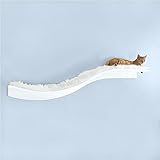
- LONG AND STYLISH CAT WALL SHELF. At 61” long and 10.5” deep, this curved cat wall shelf provides cats plenty of space to perch upon.
- CONSTRUCTED IN STURDY LAYERED PLY. Feel confident your cats are secure with the Lotus Cat Shelf’s thick bent ply design and solid wood base.
- COMFORTABLE AND REPLACEABLE BERBER CARPET. Berber carpet attaches to the top of the each platform with velcro-like material. Carpet can be replaced if worn.
3. Homiflex Wall-Mounted Cat Shelves and Perches
Best Modular Setup for Multiple Cats
Why It’s Worth Considering:
If you have multiple cats that enjoy climbing and exploring, the Homiflex Wall-Mounted Cat Shelves and Perches offer a way to create a shared activity space without taking up much floor space.
The modular setup includes steps, platforms, and enclosed cubbies, giving cats different places to climb, rest, or spend time on their own. This can be especially useful in multi-cat households, where even cats that get along well may appreciate having separate spots to relax.
You might find that one cat prefers lounging in an enclosed cubby while another spends most of their time on an open platform. Giving each cat several places to choose from can help them share the same space without constantly competing for their favorite resting spots.
You can also arrange the pieces to suit your available wall space and your cats’ activity levels. Just plan on spending some time assembling and installing everything securely, particularly if you’re creating a larger climbing area.
If you have more than one cat, consider leaving multiple ways to enter and exit the climbing area. This can help prevent one cat from blocking another’s path, especially if your cats occasionally chase each other or disagree over territory.
Pros:
- Modular design allows for flexible arrangements and expansion
- Multiple climbing and resting areas for different cats
- Makes use of vertical space without cluttering the floor
Cons:
- Assembly and installation can take some time
- May require a stud finder and appropriate mounting hardware for secure installation

- 18-in-1 Wall-Mounted Cat Furniture: Turn your wall into a cat’s dream playground with stylish perches and houses that allow active kitties to climb, lounge, and explore to their heart’s content, all while keeping your floor space open and organized
- Playful Perch Tower: Unleash your cat’s energy with 8 spacious perches and 5 sisal posts for climbing, jumping, and scratching. The 2 bridge ladders make it effortless for your feline to move and explore from perch to perch
- Condo Retreat & Tunnel Exploration: Designed for both play and rest, our kitty playset features 2 peaceful condos for undisturbed naps and a roomy tunnel with a soft, carpet-like roof that sparks curiosity and provides the ultimate hideaway
4. FUKUMARU Cat Climbing Shelves (3-Pack)
Best Minimalist Set
Why It’s Worth Considering:
If you prefer simple cat furniture that doesn’t draw too much attention, the FUKUMARU Cat Climbing Shelves are worth considering. This three-pack features wooden steps with a natural finish, making them easy to incorporate into different rooms without overwhelming your existing décor.
The individual steps can be arranged at different heights to create a climbing path that suits your cat and the available wall space. They’re particularly useful if you want to connect existing cat furniture or give your cat an easier way to reach a favorite elevated resting spot.
For example, if your cat already enjoys sitting on top of a cabinet or tall cat tree, you could use these steps to create another way to reach that area. Just make sure the spacing feels comfortable for your cat rather than assuming they’ll enjoy making large jumps between platforms.
Keep in mind that these are basic climbing steps rather than cushioned lounging platforms. If your cat enjoys stretching out and napping, you may want to combine them with a larger, more comfortable perch.
It’s worth thinking about whether your cat prefers climbing or simply being somewhere high. Some cats will enjoy moving between several small platforms, while others may be happier with one spacious shelf where they can settle down and watch the room.
Pros:
- Simple, natural wood design that blends with home décor
- Flexible placement for creating staggered climbing paths
- Compact size works well in smaller spaces
Cons:
- No cushioning for added comfort
- Basic design with limited additional features
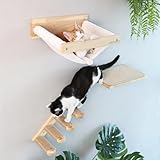
- Stable Support Design – FUKUMARU fully considered the force of cat shelf set, the cat hammock has 3-sided support design, and cat wall floating shelves uses a triangular structure, thereby can easily hold cats weigh up to 33 lbs.
- Premium Material – Adhering to our principles of safety, practicality and sustainability, we have used high-quality materials, cats-friendly.
- Space Saving – The cat wall gym can fully utilize vertical space, only 60×60 inch wall is needed to give cats a exercise paradise in the living room, bedroom, balcony and outdoor garden without sacrificing human living space.
5. PetFusion Ultimate Cat Climber
Best for Large or Heavy Cats
Why It’s Worth Considering:
If you have a larger cat, such as a Maine Coon, or a heavier rescue cat, finding a climbing structure that feels sturdy and secure is especially important. The PetFusion Ultimate Cat Climber is designed with thicker materials and reinforced supports to accommodate cats that need something more substantial.
It supports up to 50 pounds and features non-slip carpeted surfaces that help cats maintain their footing while climbing or resting. The heavy-duty brackets provide additional support, although they also make the structure heavier and potentially more challenging to install.
This is a practical choice if durability and stability matter more to you than appearance. Just make sure your wall and mounting hardware can safely support the climber, especially if your cat tends to jump onto elevated surfaces with plenty of enthusiasm.
One thing worth remembering is that a cat’s weight isn’t the only factor to consider. A large, active cat landing on a shelf can put considerably more stress on the mounting hardware than a cat simply resting there. Taking the time to install the climber securely and checking its stability periodically can help prevent problems down the road.
Pros:
- Supports up to 50 pounds
- Carpeted surfaces provide additional grip
- Heavy-duty brackets for added stability
Cons:
- More functional than decorative in appearance
- Heavier construction may make installation more difficult

- SAFE & STURDY: Uniquely COMBINES the features of a WINDOW PERCH and the stimulation of a CLIMBING POST in a minimalist, smart way. Three heavy duty suction cups included for added strength and a 42” scratching post with base for added support.
- INTERACTIVE DESIGN TO IMPROVE YOUR CAT’S WELLNESS: For cats who love to scratch, climb, lounge, and view the outside world. Combines your cats natural climbing and scratching instincts with the environmental enrichment they need.
- SUBTLE ARTISTIC TOUCHES provide extra style & stimulation. Open left platform offers a stimulating alternative to reaching the perch
6. A.FATI Wall-Mounted Rope Bridge & Platform Set for Cats
Most Interactive Design
Why It’s Worth Considering:
If your cat enjoys climbing, exploring, and finding new ways to move around the house, the A.FATI Wall-Mounted Rope Bridge & Platform Set offers something a little different from traditional cat shelves.
The set combines elevated platforms with a functional rope bridge, creating a more interactive climbing experience. The bridge adds some movement as your cat crosses it, which can make exploring more interesting for adventurous cats. It also has a distinctive appearance that can turn an ordinary wall into a decorative climbing area.
Keep in mind that not every cat will immediately feel comfortable walking across a moving bridge. Some may investigate it cautiously before trying to cross, while others might prefer sticking to the solid platforms. Giving your cat time to explore without pressure is usually better than trying to encourage them across before they’re ready.
This setup is better suited to active, confident climbers than older cats or those with mobility difficulties. The rope may also wear or fray with regular use, so it’s worth checking its condition periodically and replacing worn components when necessary.
If you’re installing the bridge higher up, consider what would happen if your cat lost their footing. Keeping the surrounding area clear of sharp furniture edges and providing safe alternative routes can make the climbing setup more practical.
Pros:
- Interactive design encourages climbing and exploration
- Unique appearance adds character to your cat’s climbing area
- Includes a mounting kit for installation
Cons:
- Rope components may fray or wear over time
- May be difficult for senior cats or those with limited mobility

- Perfect Suitable Size: The cat shelf board size is 14.96″ x 10.04″, the cat bridge size is 43.30″ x 10.04″. The suspension bridge adds guardrails and the cat board increases the area, the cat is more comfortable to use this product
- Good Green Material: Shelf and suspension bridge made of solid nature pine wood, and bridge connect with hemp rope, the cat scratching mat is made from natural sisal, eco-friendly and healthy
- Practical Beautiful Design: Wall-mounted design saves space inside the house and makes the room less cluttered. The cute design blends in with your decorating style
7. CatastrophiCreations Handcrafted Cat Wall Set
Best Handcrafted Premium Option
Why It’s Worth Considering:
If you’re looking to create a more elaborate climbing area for your cats, the CatastrophiCreations Handcrafted Cat Wall Set is a premium option worth considering. Its solid wood platforms and carefully designed components offer a combination of durability, functionality, and attractive craftsmanship.
Depending on the configuration, the system can include hammocks, feeding stations, and multiple platforms that you can arrange to suit your available wall space. This gives your cats different places to climb, relax, and spend time throughout the day.
If you have multiple cats, you might find that each one gravitates toward a different part of the setup. One may prefer relaxing in a hammock while another enjoys watching the room from a higher platform. Having several comfortable resting areas can be just as valuable as providing opportunities to climb.
It’s particularly appealing for cat owners who want to build a long-lasting climbing system rather than purchase individual shelves over time. However, the higher price and more involved installation mean you’ll want to plan your layout carefully before committing.
Before investing in a large system, consider your cats’ ages, activity levels, and favorite resting spots. A thoughtfully arranged climbing wall that suits their habits will likely be more useful than simply installing as many features as possible.
Pros:
- Quality craftsmanship with durable materials
- Flexible layout options for different spaces
- Available configurations include hammocks and feeding stations
Cons:
- More expensive than basic wall-mounted shelf sets
- Requires careful planning and potentially more involved installation

- Age Range Description: All Stages
8. FEANDREA Wall-Mounted Clickat Collection Cat Tree System
Best All-in-One Wall System
Why It’s Worth Considering:
If you want to give your cat several ways to climb, scratch, and relax without buying separate pieces of furniture, the FEANDREA Wall-Mounted Clickat Collection Cat Tree System is worth a look.
This all-in-one setup combines elevated perches, scratching surfaces, and an enclosed hideaway, giving your cat different activities and resting spots in one climbing area. It’s especially appealing for active or curious cats that enjoy exploring their surroundings throughout the day.
Having these features together can be convenient because cats don’t always want to do the same thing. Your cat might spend a few minutes scratching and climbing before settling into the hideaway for a nap. A setup that offers both activity and quiet resting spaces can be useful for cats with changing moods throughout the day.
The neutral colors and wood accents also make it easier to blend into your home without looking too much like traditional cat furniture.
Keep in mind that a larger setup requires more wall space and takes longer to assemble than a few individual shelves. Before purchasing, measure your available space and consider whether your cat will have enough room to move comfortably between the different sections.
It’s also worth considering which features your cat already enjoys. If they regularly use scratching posts, climb their cat tree, and nap in enclosed spaces, a combination system like this may be more appealing than one that only provides climbing platforms.
Pros:
- Combines climbing platforms, scratching areas, and a hideaway
- Offers several activities for active and curious cats
- Neutral colors and wood accents complement different home styles
Cons:
- Assembly and installation require more time
- Takes up more wall space than individual cat shelves

- [Bundle Pack Includes] A cat climbing hammock for exploring and lounging, a cat feeding shelf with 2 elevated bowls that keeps dog roommates away from their food, and a cat house with an observation window and cloud-like cushion for observing and relaxing
- [Perfect for Lazy Cats] Feast and snooze—the cat’s way of life! Your furry friends can eat in peace with the wall-mounted feeding station and then rest in the cozy cat beds for a blissful nap
- [Extremely Quick Assembly] With our unique Clickat structure, assembling or disassembling this 3-piece cat furniture set is a breeze, saving 50% of your time. Just slide and push the parts together with a “Click” and it’s good to go!
9. Meowhomm Multi-Tier Cat Wall Shelves and Steps
Best Step-Style Climbing Path
Why It’s Worth Considering:
If your cat enjoys being up high but isn’t comfortable making large jumps, the Meowhomm Multi-Tier Cat Wall Shelves and Steps offer a more gradual way to climb.
The tiered platforms can be arranged at different heights, allowing your cat to move up and down in smaller steps. This can be especially helpful for senior cats, smaller breeds, or cats that prefer a less demanding climbing route.
As cats get older, you may notice them hesitating before jumps they once made without thinking. Providing smaller steps between elevated surfaces can help them continue enjoying their favorite spots without having to make those bigger leaps. Just remember that cats with significant mobility problems may still need lower, more accessible alternatives.
The minimalist design keeps things simple, while the non-slip carpeting provides extra traction as your cat moves between platforms. You can also use the steps to help your cat reach an existing cat tree or favorite elevated resting spot.
Keep in mind that these are primarily climbing steps rather than spacious lounging platforms. You’ll also need to plan their placement carefully so the distances between steps are comfortable for your cat.
Before installing them, watch how your cat currently climbs onto furniture. Their preferred jumping distances and the surfaces they already use can give you a better idea of how to arrange the steps.
Pros:
- Gradual climbing design reduces the need for large jumps
- Simple, durable construction
- Non-slip carpeting provides additional grip
Cons:
- No dedicated lounging area included
- Requires careful spacing and placement during installation

- 【Versatile Levels】 Our cat wall shelves is more than just a simple cat climbing shelf, it’s a comprehensive cat wall furniture that combines playing, resting and feeding to meet your cat’s all-around needs. Unlike other cat wall racks, our cat wall rack features a dog-proof cat feeding station to protect your cat’s cervical spine while eating
- 【Unique Design】Our cat hammock wall mounted adopts an unique design. The packaging contains a cat platform, 3 cat steps and 2 cat food bowl. Two cat food shelf designed on the big cat climbing platform, Use your Idle wall space to create a perfect private play area for your cat’s greasy
- 【High-quality Material】The climbing frame is made of strong and practical top-quality pine wood. This ensures the frame can support your cat’s weight and withstand their scratching and climbing activities
10. INICIO Modern Cat Wall Shelves
Best Sleek and Affordable Option
Why It’s Worth Considering:
If you want to give your cat some extra climbing space without spending too much or changing the look of your room, the INICIO Modern Cat Wall Shelves are worth considering.
These floating shelves have a simple, contemporary design that blends easily with modern home décor. They’re also relatively sturdy for their price, making them an appealing option for cat owners who want something functional without investing in an elaborate climbing system.
You don’t necessarily need to cover an entire wall with cat furniture to make your home more interesting for your cat. Even a couple of well-placed shelves can give them another place to climb or observe their surroundings, especially if you install them near an area they already enjoy.
Installation is fairly straightforward, which may appeal to renters or anyone who prefers a simpler setup. However, wall mounting still requires secure hardware and may leave holes, so renters should check their lease before installing them.
The main limitation is their lower weight capacity. They’re better suited to smaller or lighter cats than large breeds, so be sure to check the manufacturer’s weight rating before purchasing.
If you’re unsure whether your cat will enjoy wall-mounted shelves, starting with a smaller, affordable setup can be a reasonable approach. Just don’t compromise on weight capacity or installation safety to save money.
Pros:
- Relatively straightforward installation
- Clean, modern appearance that blends with home décor
- Affordable compared to larger climbing systems
Cons:
- Lower weight capacity than some heavier-duty alternatives
- Not the best choice for large or heavy cats

- Safe and Sturdy Design: Create a stable cat climbing wall with our wall-mounted cat furniture. Perfect for small and medium-sized cats up to 15lbs, these cat shelves for wall offer a safe, comfortable space for your feline to climb, lounge, and enjoy their territory.
- Comfy & Washable Cushion: Each cat wall shelf comes with a soft, machine-washable cushion, ensuring a clean resting spot for your cat. This cat shelf is designed for comfort and durability, making it an ideal addition to your cat wall.
- Installation Guide and Fixings Included: Our cat shelves have pre-drilled holes and the cat corner shelf is pre-assembled. The cat wall steps provide a simple and fun climbing adventure, making it easy to enhance your home with a stylish, functional cat wall climbing systems.
Tips for Installing Wall-Mounted Cat Shelves Safely
Wall-mounted cat shelves need to handle more than your cat’s weight while resting. Cats will jump onto them, push off when climbing, and sometimes land with more force than you might expect. That’s why proper installation matters just as much as choosing a sturdy shelf.
Before drilling into your walls, take some time to plan the layout and make sure everything can support your cat safely. Think of the shelves as a path your cat will actually travel, not just individual pieces of furniture. Every platform should be secure, easy to reach, and positioned with your cat’s abilities in mind.
Here are ten tips to help you get started.
1. Locate the Wall Studs First
Whenever possible, attach your cat shelves directly to wall studs rather than relying on drywall alone. Studs provide stronger support and reduce the chance of shelves pulling away from the wall over time.
Useful tools include:
- A digital or magnetic stud finder
- A pencil for marking stud locations
- A level to keep everything straight
Most U.S. homes have wall studs spaced approximately 16 inches apart, although spacing can vary. Check their actual locations before deciding where to install your shelves.
It’s worth doing this before purchasing a large shelf system, since the location of your studs may affect which arrangements you can safely install.
2. Choose the Right Wall Anchors
Sometimes, the studs won’t line up with your preferred shelf placement. In those situations, heavy-duty drywall anchors may be an option, but only if the shelf manufacturer approves them for your wall type and intended load.
Metal anchors and toggle bolts generally provide stronger support than basic plastic anchors when properly selected and installed.
Remember to account for the shelf’s weight, your cat’s weight, and the additional force created when jumping. A safety margin of 25–50% above the expected static load can provide extra reassurance, but it doesn’t replace using hardware rated for dynamic loads.
If you’re unsure whether your wall can safely support the setup, it’s worth getting professional installation advice. A shelf that feels secure when empty isn’t necessarily strong enough to handle a cat repeatedly jumping onto it.
3. Plan the Layout Before Drilling
Before making any holes, arrange the shelves on the floor to get a better idea of how they’ll fit together.
Think about how your cat will move between platforms. A layout that looks attractive might not be practical if the jumps are too large or the shelves are positioned too close to the ceiling.
Suggested starting points for spacing:
- Horizontal distance between steps: 12–18 inches
- Vertical distance between levels: 12–16 inches
- Highest shelf: Around 6 feet or lower for easier access
These are general guidelines rather than strict rules. Adjust the distances based on your cat’s size, age, mobility, and jumping ability.
If your cat already uses a cat tree, watch how they move between its platforms. Their usual climbing habits can give you a better idea of what distances feel comfortable before you start drilling.
Diba continued using her favorite elevated resting spots for as long as she could, but as her health declined, she eventually lost the energy to jump onto higher furniture. Seeing that change made me appreciate the importance of having comfortable resting places at different heights, including ones that are easier to reach.
4. Use a Level and Tape Measure
Even a small tilt can make a shelf less comfortable or secure for your cat.
Use a level when mounting each platform and measure the distances between shelves to keep the climbing path consistent.
Once installed, the shelves should feel stable without noticeable movement or wobbling. If something doesn’t sit correctly, fix it before allowing your cat to climb on it.
You don’t want your cat discovering that a platform is unstable while they’re trying to land on it. Taking a few extra minutes to check your measurements can prevent problems later.
5. Test the Shelves Before Your Cat Uses Them
After installation, check each shelf for movement, loose brackets, or signs that the mounting hardware is pulling away from the wall.
You can apply controlled pressure or use an appropriate test weight, following the manufacturer’s instructions. A 10–20-pound object may help reveal obvious instability, but it won’t necessarily reproduce the force of a cat jumping onto the shelf.
If a platform shifts, flexes excessively, or feels loose, don’t let your cat use it until the problem is corrected.
It’s better to discover an installation problem yourself than have your cat lose confidence in the shelves after a frightening experience. A stable setup also makes it easier for hesitant cats to feel comfortable exploring.
6. Add Non-Slip Surfaces
Smooth wooden or plastic shelves can become slippery, especially when cats jump onto them quickly.
Carpet, sisal, or textured pads can provide additional traction and help your cat feel more secure.
Some shelves already include these materials. If yours doesn’t, consider adding securely attached felt or carpet pads that won’t slide or peel away during use.
Pay particular attention to landing areas. Your cat needs enough grip to stop comfortably after jumping, not just a surface that feels nice when they’re lying down.
7. Keep the Surrounding Area Clear
Think about what sits underneath and around your climbing setup.
Avoid installing shelves directly above fragile decorations, unstable furniture, sharp corners, or objects that could injure your cat if they slipped.
It’s also worth checking for nearby lamps, cords, and other items your cat might accidentally knock over while jumping.
Cats don’t always land exactly where you expect, especially when they’re excited or chasing each other. Leaving some clear space around their climbing route gives them more room to move safely.
8. Provide Easy Ways Up and Down
Your cat should be able to reach the shelves and return to the floor without making uncomfortable or risky jumps.
If the first platform is too high, consider adding intermediate steps or positioning the setup near a sturdy cat tree.
This is particularly important for kittens, senior cats, and cats with limited mobility. A climbing arrangement that works for a young, athletic cat may not be suitable for an older one.
Remember that getting down can be more difficult than climbing up. Make sure your cat has a comfortable route back to the floor rather than expecting them to make one large jump from the highest platform.
9. Watch How Your Cat Uses the Setup
During the first few days, pay attention to how your cat explores the shelves.
Some cats will investigate cautiously, while others may start jumping between platforms almost immediately. Watching their movements can help you identify awkward gaps, slippery surfaces, or areas they seem hesitant to use.
Check the shelves periodically for loose hardware or movement, especially after frequent use. If anything starts shifting or flexing, address it before allowing further climbing.
If your cat seems unsure about a particular platform, don’t force them to use it. Give them time to explore, and consider whether the spacing, height, or surface might be making them uncomfortable.
10. Clean the Shelves Regularly
Wall-mounted shelves can collect dust, loose fur, and dirt just like any other cat furniture.
Wiping down smooth surfaces and vacuuming carpeted areas about once a week is a reasonable starting point, although heavily used shelves may need more frequent cleaning.
Regular cleaning also gives you an opportunity to inspect the platforms, grip pads, and mounting hardware for signs of wear.
If a shelf becomes your cat’s favorite sleeping spot, expect it to collect fur fairly quickly. Choosing surfaces that are easy to reach and clean will make maintaining the setup much less of a chore over time.
How to Encourage Your Cat to Use Their New Wall Shelves
You’ve installed your cat’s new wall shelves, but instead of climbing on them, your cat barely seems interested. That’s not unusual. Cats can be cautious around unfamiliar furniture, and some need several days or even weeks before they feel comfortable exploring something new.
Rather than trying to get your cat onto the shelves immediately, focus on making them easy to reach, comfortable, and rewarding to explore. Even if your cat ignores the shelves at first, that doesn’t necessarily mean you’ve wasted your money. Sometimes, they simply need time to become familiar with a new addition to their environment.
Here are ten ways to help your cat get used to their new climbing space.
1. Start Low and Work Your Way Up
If your cat has never used wall-mounted shelves before, begin with a platform that’s easy to reach.
A shelf positioned about 1–2 feet above the floor can be a reasonable starting point, depending on your cat’s size and mobility. From there, you can add steps or platforms that lead to higher resting areas.
There’s no need to build a tall climbing wall immediately. Let your cat become comfortable with the lower platforms before encouraging them to explore higher ones.
You may find that your cat spends several days using only the lowest shelf before becoming curious about the others. That’s perfectly fine, and there’s no reason to rush the process.
2. Encourage Exploration with Treats and Toys
A few familiar rewards can help your cat develop an interest in their new shelves.
Try placing a favorite treat on an accessible platform or using a wand toy to encourage your cat to approach and investigate. Catnip may also help if your cat responds positively to it.
You can even use a puzzle feeder or lick mat on a wide, stable shelf to make the area more rewarding.
Just avoid encouraging your cat to jump farther or higher than they’re comfortable with. The goal is to make exploration enjoyable, not stressful.
If your cat approaches the shelf, sniffs it, and walks away, consider that a small step forward. Getting comfortable with something new often begins with simple curiosity rather than immediately climbing onto it.
3. Create a Comfortable Resting Spot
Not every cat wants to spend their time jumping between platforms. Some are more interested in finding a quiet place to nap.
Adding a soft blanket, a small cat bed, or a secure non-slip pad can make a shelf more inviting.
If your cat is shy or easily startled, consider placing their resting platform in a quieter part of the room where they can relax without constant interruptions.
Make sure any bedding fits securely and won’t slide off when your cat moves around.
Pay attention to the surfaces your cat already prefers for sleeping. If they regularly choose soft blankets over bare furniture, adding a familiar texture may make the new shelf more appealing.
4. Choose a Location Your Cat Already Enjoys
Where you install the shelves can make a big difference in whether your cat uses them.
Many cats enjoy watching birds through windows, observing household activity, or spending time near their owners. Positioning shelves near these areas gives your cat another reason to explore them.
Diba especially loved the larger lounging platforms on our cat trees when they were positioned near windows. She could settle down comfortably and watch whatever was happening outside. I’ve also noticed that simply moving cat furniture to a different location could renew my cats’ curiosity, although certain spots remained favorites because of the view they offered.
For example, a comfortable perch near your home office might appeal to a cat that enjoys keeping you company while you work.
Avoid noisy appliances and busy walkways if your cat tends to get nervous around sudden sounds or movement.
Think about where your cat naturally spends most of their day before choosing a location. A shelf overlooking their favorite room may be more interesting than one installed in a quiet corner they rarely visit.
5. Connect the Shelves to Familiar Furniture
Your cat may feel more comfortable exploring wall shelves when they can reach them from furniture they already use.
Placing a shelf near a sturdy cat tree, couch, or other familiar surface can make the transition easier.
Instead of expecting your cat to jump onto an unfamiliar platform from the floor, you’re giving them a natural extension of an area where they already feel comfortable.
Just make sure any furniture used as a starting point is stable and won’t shift when your cat jumps.
For cats that already enjoy climbing their cat trees, connecting a new shelf to a familiar platform may make exploring feel like a natural next step.
6. Give Your Cat Time to Adjust
Some cats investigate new furniture almost immediately, while others prefer to observe it from a distance before getting closer.
Both reactions are normal.
Avoid forcing your cat onto the shelves or repeatedly placing them somewhere they don’t want to be. Even cats that tolerate being picked up may feel uncomfortable when placed on an unfamiliar elevated surface.
Whenever I introduced a new cat tree, Cornelius and Baby were usually cautious at first. Once they realized it wasn’t anything scary, they became curious and started exploring on their own. Diba was less interested in investigating new furniture unless she discovered a particularly comfortable place to rest. I learned that giving them time worked better than expecting an immediate reaction.
Let them sniff, explore, and approach the shelves whenever they feel ready. A little patience can help prevent the new climbing area from becoming something they associate with stress.
Try not to judge the success of your new setup by how quickly your cat starts using it. A cautious cat may eventually enjoy the shelves just as much as a confident one, even if it takes considerably longer.
7. Reward Positive Experiences
When your cat voluntarily steps onto a shelf, consider offering a small treat, gentle praise, or affection if they enjoy it.
You don’t need to make a big event out of every visit. Simply helping your cat associate the shelves with pleasant experiences can encourage them to return.
If your cat only stays for a few seconds before leaving, that’s fine. Allow them to decide when they’ve had enough rather than trying to keep them there.
Sometimes, the best reward is simply letting your cat enjoy the space without interruption. If they’ve settled down comfortably, there’s no need to disturb them just to offer praise.
8. Adjust the Layout if Your Cat Seems Hesitant
Sometimes, a cat’s reluctance has more to do with the arrangement than the shelves themselves.
If your cat approaches a platform but won’t jump onto it, the distance may be too great or the landing area might feel uncomfortable.
Consider adding an intermediate step, reducing the height difference, or improving the surface traction.
Watch how your cat moves around their existing furniture. Their usual jumping habits can help you create a layout that feels more natural.
If your cat repeatedly approaches the same shelf but turns away before jumping, take a closer look at that particular spot. It may need a more accessible route or a wider landing surface.
9. Use Familiar Scents
Cats rely heavily on scent to recognize familiar places and objects.
Placing a favorite toy or a small blanket that already smells like your cat may help make a new shelf feel less unfamiliar.
You can also consider a synthetic feline pheromone product, such as Feliway, although individual cats may respond differently.
Avoid forcibly rubbing your cat’s face against the shelves to transfer their scent. It’s better to let them investigate and scent-mark the surfaces naturally.
You don’t need to cover every platform with familiar belongings, either. One small item on an accessible shelf may be enough to encourage your cat to investigate.
10. Make the Shelves Part of Playtime
If your cat enjoys interactive play, try incorporating the lower shelves into your usual routine.
You might move a wand toy near an accessible platform or encourage your cat to investigate a toy resting on it.
Some cats become more interested in unfamiliar objects when they see movement around them, so playful interaction can help spark their curiosity.
You don’t need to climb onto furniture or demonstrate how the shelves work yourself. Keep play sessions relaxed and let your cat decide whether they want to participate. Over time, they may begin exploring the shelves on their own.
If your cat seems interested in the toy but hesitant about climbing, keep playing at ground level instead. Ending the session on a positive note is more valuable than convincing them to use the shelf before they’re ready.
Final Thoughts: Creating a Climbing Space Your Cat Will Actually Enjoy
After years of watching my cats enjoy their tall cat trees, I’ve learned that the best climbing setup is one that suits the cats actually using it. Some prefer looking down from the highest platform, others want a comfortable window view, and some appreciate having somewhere enclosed to hide. I also became attached to our old cat trees because my cats had spent so much time enjoying them. They were a reminder that good cat furniture can become a familiar part of a cat’s daily life.
Wall-mounted cat shelves can be a great way to give your cat more room to climb, explore, and relax without taking up valuable floor space. They’re especially useful in smaller homes or multi-cat households where having additional resting spots can make a difference.
But you don’t need an elaborate climbing wall to make your cat happy. A few well-placed shelves can be just as useful, especially when they’re positioned near a favorite window, connected to an existing cat tree, or placed somewhere your cat already enjoys spending time.
The most important things to consider are safety, accessibility, and your cat’s individual preferences. Choose shelves that can comfortably support your cat’s weight, install them securely, and make sure there’s an easy route both up and down.
If you’re unsure where to begin, here’s what I’d recommend:
- Start small. Choose one or two shelves before investing in a complete wall-mounted climbing system.
- Pay attention to your cat’s habits. Think about where they already like to climb, nap, or watch their surroundings.
- Prioritize sturdy installation. A secure, properly mounted shelf is more important than an attractive design.
- Make the shelves easy to use. Consider your cat’s age, mobility, and confidence when planning the height and spacing.
- Give your cat time. Use treats, toys, and gentle encouragement, but let them explore at their own pace.
Remember that every cat has different preferences. Some will immediately climb to the highest platform, while others may prefer a lower shelf where they can comfortably watch the room.
If you have multiple cats, it’s also worth thinking about how they share their space. Having several comfortable resting spots and more than one way to move between levels can help prevent one cat from blocking another’s access.
And if your cat doesn’t use the shelves right away, don’t get discouraged. New furniture can take time to become part of their routine. Sometimes, simply leaving it alone and allowing your cat to investigate without pressure works better than constantly trying to encourage them.
Ultimately, the goal isn’t to build the biggest or most impressive climbing wall. It’s to create a safe, comfortable space that gives your cat more choices throughout the day. If your cat enjoys spending time there, even if it’s just for an afternoon nap, you’ve given them another little piece of territory to call their own.
Climb, Perch, Play — Give Your Cat the Vertical Space They Crave
Wall-mounted cat shelves aren’t just trendy — they’re essential for enriching your cat’s environment. Elevation gives your cat a sense of safety, mental stimulation, and a healthy outlet for natural climbing instincts. The right shelf setup can transform your walls into a feline paradise.
Ready to give your cat the gift of height, confidence, and daily exercise? Start here:
- Build a cat-friendly space they love: Why Structure Helps Rescue Cats Feel Safe and Confident at Home
- Create an indoor jungle gym: Fun Ways to Build a Cat Obstacle Course at Home (On a Budget)
- Support shy cats with vertical confidence: How to Bond with a Shy or Fearful Cat
- Expert design tips: International Cat Care – Creating a Cat-Friendly Home »
- Behavioral insight on vertical space: ASPCA – Environmental Enrichment for Cats »
- Browse our best-rated cat shelvesfor 2026 and pick the one that fits your space and budget. Many are available on Amazon with fast shipping and easy returns.
- How to Cat-Proof Your Apartment
- The Best Cat Trees for Senior Cats
Pro Tip: Install shelves near windows, over safe hideaways, or in quiet corners. Combine different heights and textures to encourage climbing, lounging, and exploration.
Your walls aren’t just for décor — they’re an opportunity to elevate your cat’s physical and emotional health. Let them climb their way to happiness.
Disclaimer: The information provided on this site is for general informational purposes only. It is not intended as veterinary advice, diagnosis, or treatment. Always seek the guidance of a licensed veterinarian before making decisions about your pet’s health.
Results Disclaimer: Results may vary. Our recommendations are based on editorial research and do not guarantee specific outcomes.
Accuracy Notice: We strive to keep content accurate and up to date. However, always verify current information and consult a veterinarian for personalized guidance.

James Kim is the founder of SavingNineLives.com, a passion project dedicated to improving the lives of rescue cats through practical care tips, adoption guides, and heartfelt advocacy. Though not a veterinarian, James is a lifelong cat lover who collaborates with animal welfare volunteers, rescue shelters, and vet-reviewed sources to ensure accurate, trustworthy information. His mission is simple: to help cat parents make informed, compassionate decisions that support feline health and well-being.
When he’s not writing, James is busy fostering cats, volunteering at local shelters, and testing cat-friendly products to recommend only the best to readers. Every article on this site is carefully researched and reviewed to meet the highest standards for cat health content.
Experience: 10+ years of hands-on experience with rescue cats
Content Vetting: Collaborates with vet techs and rescue workers
Trust & Transparency: All products and advice are shared with affiliate disclosures and reader safety in mind
Follow James and the Saving Nine Lives journey as we help one rescue cat at a time.