
Best Slow Feeders for Fast-Eating Cats: Prevent Bloating, Gagging, and Obesity
Last Updated on September 7, 2025 by James Kim
Affiliate Disclosure:
This post may contain affiliate links. If you click through and make a purchase, I may earn a small commission at no extra cost to you. As an Amazon Associate I earn from qualifying purchases. I only recommend products I believe bring genuine value. Thank you for supporting this site.
Note: This article is for informational purposes only and is not a substitute for professional veterinary advice. Always consult your vet for your cat’s specific needs.
Cats are natural hunters, and their instincts often lead them to gobble up food quickly. However, for some cats, this behavior can become a problem. Fast-eating cats are at risk of developing various health issues, such as obesity, bloating, vomiting, and even choking. If you’ve noticed your cat scarfing down their meals in record time, it may be time to consider a solution that not only helps slow them down but also improves their overall health and well-being.
Fast eating doesn’t just lead to digestive problems—it can also impact your cat’s behavior. Cats that eat too quickly may feel uncomfortable after meals, or worse, they may develop more serious health conditions like food aggression or anxiety. Fortunately, there’s an easy solution: slow feeders. These specially designed feeding bowls are engineered to challenge your cat’s fast-paced eating habits and encourage healthier, more mindful mealtime routines.
In this article, we’ll explore the best slow feeders for fast-eating cats. We’ll highlight top products that can prevent bloating, reduce the risk of vomiting, and support better digestion. Whether you’re dealing with a young, energetic kitten or a senior cat with a sensitive stomach, there’s a slow feeder out there that’s perfect for your pet’s needs. Keep reading to find the ideal slow feeder to promote a happier, healthier feeding routine for your fast-eating feline friend.
Why Cats Eat Too Fast
Understanding why your cat eats so quickly is the first step in addressing the issue. While it may seem like a simple habit, there are several factors that can contribute to this fast-paced eating behavior. Let’s explore the common reasons behind it:
1. Instinctual Behavior:
Cats are natural hunters, and in the wild, they need to eat quickly to avoid competition from other animals. This instinct carries over to domesticated cats, especially those with a strong predatory drive. When food is available, some cats feel the need to consume it as fast as possible, not knowing when their next meal will be.
2. Competition for Food:
In multi-cat households, fast eating may stem from a competitive environment. If multiple cats are vying for attention and food, the fastest eaters often “win” the meal, reinforcing the habit. This can lead to anxiety around mealtime and a rushed eating pace as your cat tries to outpace their furry siblings.
3. Hunger or Underfeeding:
If your cat is not receiving enough food or is on an inconsistent feeding schedule, they may eat too quickly when they do get a meal. They may feel the urge to consume as much as possible, as fast as possible, fearing that their next meal is uncertain.
4. Stress and Anxiety:
Stress or anxiety can also cause cats to eat quickly. If your cat is feeling stressed, they might not take the time to savor their food. Changes in the household environment, like new people, pets, or loud noises, can increase stress and prompt faster eating. Additionally, cats with a history of neglect or inconsistent feeding may have learned to eat quickly due to past experiences of food scarcity.
5. Medical Conditions:
In some cases, fast eating can be a symptom of underlying medical issues, such as hyperthyroidism or gastrointestinal problems. Cats that are constantly hungry or experiencing digestive discomfort may eat rapidly as a way to self-soothe or alleviate their discomfort.
Understanding the reasons behind your cat’s fast eating is essential in choosing the right solution.
How Slow Feeders Help Cats Eat More Slowly
Slow feeders are designed specifically to help slow down your cat’s eating pace and make mealtime healthier. By incorporating a variety of clever designs and structures, these feeders create obstacles that encourage your cat to engage with their food more thoughtfully. Let’s take a look at how these feeders work and the key benefits they offer:
1. Prevents Bloating and Vomiting
One of the primary reasons slow feeders are beneficial is that they prevent your cat from eating too quickly, which can lead to bloating and vomiting. When a cat eats rapidly, they often swallow air along with their food, which can cause gas and discomfort. A slow feeder forces your cat to eat at a slower, more manageable pace, reducing the likelihood of these unpleasant issues.
2. Improves Digestion
Eating too quickly can overwhelm a cat’s digestive system, causing food to pass through their stomach before it’s properly processed. Slow feeders promote better digestion by encouraging your cat to chew and break down the food more effectively. This allows enzymes in the stomach to work more efficiently, ensuring that the food is digested properly before moving through the intestines.
3. Reduces the Risk of Obesity
When cats eat too fast, they may not feel full until it’s too late, leading them to consume more food than they actually need. Slow feeders help regulate portion control by forcing your cat to slow down, giving their brain time to signal that they’ve had enough. Over time, this can help prevent overeating and reduce the risk of obesity.
4. Reduces Food Aggression
Some cats may become possessive or aggressive when they eat quickly, especially in multi-cat households. Fast eating can be a sign of anxiety, and when a cat is constantly worried that others will steal their food, they may develop food aggression. Slow feeders can help mitigate this behavior by allowing your cat to focus on the meal in front of them, reducing stress and anxiety around food.
5. Provides Mental Stimulation
Many slow feeders are designed with puzzles or interactive features that require your cat to work for their food. This provides mental stimulation, which is particularly important for indoor cats who may not get enough enrichment throughout the day. Engaging their brain during meals not only slows down their eating but also helps keep them mentally sharp and entertained.
6. Encourages Natural Feeding Behavior
Cats are natural hunters, and slow feeders mimic the process of foraging for food. This engages their instincts and encourages a more natural eating rhythm, unlike the rapid, indiscriminate eating style often seen in cats with bowls of food placed in front of them. The process of working through a slow feeder helps satisfy their innate hunting desires, leading to a more fulfilling and rewarding mealtime.
Slow feeders not only help manage your cat’s eating habits but also contribute to their physical and mental well-being. With the right slow feeder, you can address the root causes of fast eating and create a healthier, happier eating routine for your cat.
Top 7 Best Slow Feeders for Fast-Eating Cats
Now that you understand the benefits of slow feeders, let’s take a look at some of the best options available for fast-eating cats. These slow feeders are designed with different features to cater to your cat’s unique needs. Below are seven top choices that can help promote healthier eating habits.
1. PetSafe SlimCat Interactive Feeder
- Description: The PetSafe SlimCat is an interactive ball-shaped feeder that encourages your cat to work for their food. As your cat bats it around, the food is dispensed slowly, keeping your cat engaged while eating.
- Key Features:
- Adjustable food dispensing to control the flow
- Easy to clean and refill
- Great for portion control and exercise
- Why It Works for Fast Eaters: Its interactive design forces your cat to chase after and manipulate the ball to get their food, effectively slowing down their eating pace.

- Enrichment: Watch your cat’s natural instincts come alive as they chase the SlimCat across the floor. This interactive toy provides mental stimulation and enrichment, keeping indoor cats engaged and reducing boredom.
- Exercise for Your Cat: Combines mealtime with exercise to improve weight loss and fight obesity. The SlimCat feeder encourages your cat to play and move around, promoting a healthier lifestyle.
- Customize to Your Cat’S Needs: Convenient adjustable openings work for many kibble sizes and allow you to control how quickly your cat gets their food. This feature helps manage feeding and can reduce anxiety related to mealtime.
2. Trixie 5-in-1 Slow Feeder
- Description: This slow feeder offers five different configurations, including a puzzle feeder, maze-style bowl, and a slow feeder tray. You can change the setup to keep mealtime interesting for your cat.
- Key Features:
- Versatile, multiple configurations
- Non-slip base for stability
- Dishwasher safe for easy cleaning
- Why It Works for Fast Eaters: The puzzle design requires your cat to use their paws and nose to extract food, preventing rapid consumption and encouraging problem-solving.

- PUZZLE MASTER: Turn snack time into playtime with this cat food puzzle that challenges your furry friend’s brain and keeps them entertained as they hunt for treats
- LEVEL UP: This cat puzzle features five different compartments and difficulty levels that keep clever companions challenged and coming back for more
- SLOW & STEADY: This puzzle feeder turns mealtime into a fun challenge, encouraging slower eating habits and helping manage your cat’s weight naturally
3. Catit Senses 2.0 Digger
- Description: The Catit Senses 2.0 Digger is designed to mimic the natural foraging behavior of cats. This feeder features several tubes that your cat has to dig into to get their food.
- Key Features:
- Encourages natural digging behavior
- Stimulates mental and physical activity
- Easy to clean and refill
- Why It Works for Fast Eaters: The tube-style feeding setup keeps your cat engaged for longer, preventing them from gulping down their food too quickly.
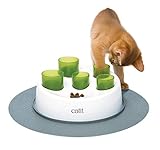
- Fun Mealtime: With this slow feeder, your cat’s natural urge to hunt will emerge playfully and naturally! The Catit Senses Digger has a stable base with vivid green cups to fill with your cat’s favorite dry food or treats.
- Stimulates Natural Behavior: Features multiple tubes that stimulate natural pawing behavior in a fun manner. Designed to help greedy eaters eat at a healthier pace, and ideal for use with dry kibble and treats.
- Additional Features: Rubber mat secures the cat bowl into place to prevent tipping. Made from BPA-free materials.
4. Outward Hound Fun Feeder Slo-Bowl
- Description: The Outward Hound Fun Feeder is a popular slow feeder bowl with a maze-like structure that forces your cat to eat around the ridges.
- Key Features:
- Durable, non-slip base
- Made of BPA-free plastic
- Available in different sizes and patterns
- Why It Works for Fast Eaters: The maze pattern significantly slows down eating by requiring your cat to navigate around the ridges, making mealtime a slower and more enjoyable experience.

- Medium slow feeder dog bowl – helps slow down eating up to 10X; this SLOWEST level feeder is best for very fast eaters and small to medium dog breeds
- Holds 2 cups of dry or wet dog food – this very deep dog bowl has our most challenging puzzle feeder maze design and can fit a full meal for medium-sized dogs
- Mindful mealtime – encourages slower eating and longer engagement, helping pups enjoy every bite while making mealtime more fun and interactive
5. Y YHY Ceramic Cat Slow Feeder
- Description: This slow feeder features an elevated design with a simple, yet effective structure that forces your cat to work around the obstacles within the bowl.
- Key Features:
- Elevated design for better digestion
- Easy-to-clean, dishwasher-safe design
- Ideal for cats with joint issues due to the height
- Why It Works for Fast Eaters: The elevation helps slow down eating, and the design encourages your cat to pace themselves as they navigate through the bowl.

- 12 Times Slower Eating: Effectively prevent cats from eating too fast to cause health problems, such as vomiting, regurgitation, obesity, etc., so as to help cats establish healthy eating habits.
- Raised Flower Column Design: Increases the cat’s eating fun and reduces anxiety, boredom, and destructive behavior. At the same time, the column arrangement with gaps allows our bowls can be used for both dry and wet food.
- Elevated Cat Bowl: Allows cats to eat more naturally and comfortably, and also reduces the pressure on the cat’s neck, back, and digestive system when eating.
6. JW Pet Company Activitoys Slow Feeder
- Description: The JW Pet Company Activitoys Slow Feeder is a puzzle-style feeder that dispenses food slowly as your cat interacts with it. It provides mental stimulation while making sure your cat doesn’t gulp down their meal too quickly.
- Key Features:
- Interactive puzzle design
- Encourages slower eating and mental stimulation
- Non-toxic, safe materials
- Why It Works for Fast Eaters: This puzzle feeder engages your cat’s problem-solving skills and forces them to slow down as they figure out how to get the food out.
No products found.
7. Neater Pet Brands Slow Feeder
- Description: The Neater Pet Brands Slow Feeder has a unique design that helps prevent food from spilling and keeps your cat from eating too quickly. The design includes barriers that guide your cat’s tongue and food as they eat.
- Key Features:
- Spill-proof design
- Reduces mess and waste
- High-quality, durable material
- Why It Works for Fast Eaters: The feeder’s barrier design encourages your cat to slow down while eating and helps reduce the risk of food spilling, making mealtime more efficient and less messy.
No products found.
These slow feeders are designed to provide a healthy, engaging eating experience for your fast-eating cat. Whether you choose a puzzle feeder, interactive ball, or a maze-style bowl, each option offers its unique set of features to slow down mealtime and improve your cat’s digestion and health.
What to Look for in a Slow Feeder for Cats
Choosing the right slow feeder for your cat is crucial to ensuring that mealtime becomes a healthier and more enjoyable experience. There are several factors to consider before making a purchase to make sure the slow feeder fits your cat’s eating habits and lifestyle. Here’s a guide to help you make the best choice:
1. Material Quality
The material of the slow feeder is essential not only for durability but also for your cat’s safety. You’ll want a feeder made from non-toxic, BPA-free materials to ensure that it’s safe for your pet.
- Plastic: Many slow feeders are made from plastic, which is lightweight and affordable. Make sure the plastic is BPA-free and easy to clean.
- Stainless Steel: Some feeders come in stainless steel, which is more durable and easier to keep hygienic. However, they may be heavier than plastic options.
- Ceramic: Ceramic feeders are another safe, sturdy option. However, they can be fragile and may break if dropped.
2. Size and Capacity
Slow feeders come in various sizes, so it’s important to choose one that fits your cat’s breed, age, and portion needs. Some feeders are designed for smaller cats or kittens, while others are larger and accommodate bigger breeds.
- For Small Cats or Kittens: Look for compact feeders with a smaller bowl depth and easy access to food.
- For Larger Cats: Choose feeders that are spacious and have enough capacity to hold their daily portion without frequent refills.
3. Design Type
Slow feeders come in a variety of designs, each with different mechanisms to slow down eating. Choose a design that works best for your cat’s behavior and feeding habits.
- Maze-style Feeders: These feeders feature ridges and pathways that your cat has to navigate around to reach their food. It forces them to eat more slowly.
- Puzzle Feeders: These typically involve a mechanism that requires your cat to figure out how to unlock or manipulate parts of the feeder to get to the food. They provide mental stimulation as well as physical activity.
- Portion Control Feeders: These feeders release food gradually, allowing your cat to eat only small portions at a time. This is great for controlling how much your cat eats in one sitting.
4. Ease of Cleaning
Cats are notoriously picky about cleanliness, and so should you be when it comes to their feeders. The slow feeder should be easy to clean, ideally being dishwasher-safe or having a smooth, non-porous surface to prevent food from getting stuck in hard-to-reach places.
- Removable Parts: Some feeders have removable sections, making them easier to clean thoroughly.
- Dishwasher Safe: If you’re short on time, a dishwasher-safe slow feeder can make maintenance easier.
5. Stability
A slow feeder should stay in place during mealtime to avoid spilling and tipping over. This is especially important if your cat tends to be enthusiastic during meals.
- Non-slip Base: Many slow feeders have non-slip rubber bases to prevent them from sliding around on the floor.
- Heavier Designs: A heavier feeder, such as one made of stainless steel, may be less likely to tip over or move during use.
6. Interactive Features
While the primary function of a slow feeder is to slow down eating, some designs offer additional interactive features. These can provide mental stimulation, which is especially beneficial for indoor cats who may lack other forms of enrichment.
- Food Dispensers: Some slow feeders are designed to dispense food gradually, making mealtime more interactive. Your cat has to work a little harder to get each bite.
- Puzzle Elements: Puzzle feeders engage your cat’s brain, encouraging them to think and strategize to access their food, which can help reduce stress and provide a more rewarding experience.
7. Health Considerations
Certain medical conditions may require a specialized slow feeder design. For example, older cats or cats with joint pain may benefit from elevated slow feeders that make it easier to eat without straining their neck or back.
- Elevated Feeders: These feeders raise the bowl to a more comfortable level, which is great for senior cats or cats with mobility issues.
- Anti-Gagging Features: Some slow feeders are designed to reduce the risk of choking by guiding the food into smaller portions.
When selecting a slow feeder, think about your cat’s unique needs—whether they need extra mental stimulation, have specific health considerations, or just need a simple solution to slow down their eating. Choosing the right slow feeder can help improve their digestion, reduce stress, and encourage better eating habits.
Additional Tips for Feeding Your Fast-Eating Cat
Introducing a slow feeder to your fast-eating cat can be an adjustment, but with a little patience and consistency, it can make mealtime much healthier and more enjoyable for them. Here are some additional tips to help your cat transition smoothly and make the most of their new slow feeder:
1. Gradually Transition to the Slow Feeder
If your cat is used to eating very quickly, transitioning to a slow feeder might take some time. It’s important to introduce the new feeding method gradually:
- Start with Familiar Food: Place your cat’s usual food in the slow feeder to keep things familiar and comforting.
- Partial Use: Initially, you can mix the slow feeder with their regular bowl. For example, place part of the meal in the slow feeder and the rest in the regular bowl, so your cat isn’t overwhelmed.
- Be Patient: It may take a few attempts before your cat fully embraces the slow feeder. If they are hesitant, don’t force them. Keep the experience positive and gradually increase the amount of food in the slow feeder.
2. Create a Calm Mealtime Environment
Cats can be sensitive to their surroundings, so creating a calm and quiet environment can help reduce anxiety around mealtime:
- Designated Feeding Area: Place the slow feeder in a quiet corner or a spot where your cat feels safe to eat without distractions.
- Separate from Other Pets: If you have multiple pets, consider feeding your cat in a separate area to minimize competition and reduce stress.
- Routine: Cats thrive on routine, so try to feed your cat at the same times each day. This will help your cat feel more secure and expect regular meals.
3. Use a Slow Feeder with Interactive Elements
Incorporating interactive elements into your cat’s mealtime routine can provide them with both physical and mental stimulation:
- Food Puzzles: Slow feeders with puzzle designs or treat-dispensing mechanisms can turn mealtime into an enriching activity. Your cat will have to work for their food, which not only slows down their eating but also helps keep their brain engaged.
- Interactive Toys: If your cat seems to finish their food too quickly even with a slow feeder, try adding an interactive toy or treat-dispensing puzzle alongside their meal to keep them occupied.
4. Provide Multiple Smaller Meals Throughout the Day
Cats are natural grazers, and many do better when they eat smaller meals more frequently rather than one large meal.
- Feed Multiple Times a Day: Instead of giving your cat one large meal, divide their food into smaller portions and feed them 2-3 times per day. This can help regulate their eating habits and prevent overeating.
- Automatic Feeders: If you’re not home during the day, an automatic feeder with slow-feeding features can help ensure your cat is eating smaller, more controlled portions.
5. Monitor Your Cat’s Weight and Health
Once your cat starts using a slow feeder, monitor their weight and overall health to ensure the feeding strategy is working. If you notice any changes in their eating behavior, weight gain, or loss, consult your vet to make adjustments.
- Track Eating Patterns: If your cat seems to be losing interest in their food or not finishing meals, it could be an indication that the slow feeder is too challenging. You can adjust the difficulty by switching to a feeder with a simpler design.
- Consult Your Vet: If your cat has medical conditions such as obesity or digestive issues, consult your vet for personalized advice on feeding habits and the best type of slow feeder.
6. Clean the Feeder Regularly
A clean feeder is essential for your cat’s health. Food remnants left in a slow feeder can quickly become a breeding ground for bacteria, which can lead to digestive issues or illness.
- Clean After Every Use: Ideally, wash the slow feeder after each meal. Use warm, soapy water or place it in the dishwasher (if dishwasher-safe).
- Check for Food Build-Up: Make sure that no food becomes lodged in hard-to-reach areas, as this can make the feeder less effective and potentially unhygienic.
By following these tips, you can help your cat adjust to their new slow feeder and create a healthier, stress-free mealtime routine. Remember, the goal is not only to slow down your cat’s eating but also to ensure they have a positive and enjoyable feeding experience. With time and consistency, your fast-eating cat will develop healthier eating habits that benefit their digestion and overall well-being.
Conclusion
Slow feeders are a fantastic tool to help fast-eating cats develop healthier eating habits, prevent bloating, reduce vomiting, and even tackle obesity. By slowing down mealtime, these feeders not only improve your cat’s digestion but also provide mental stimulation and support their natural instincts.
Choosing the right slow feeder for your cat is an important step toward improving their overall health and well-being. Whether you opt for a simple maze-style bowl, an interactive puzzle feeder, or a portion-controlled device, there’s a solution out there that’s perfectly suited to your cat’s needs.
Remember to consider factors like size, material, and design, and to introduce the slow feeder gradually to help your cat adjust. Pair it with a calm mealtime environment, multiple smaller meals throughout the day, and regular cleaning, and you’ll be well on your way to providing your cat with a more fulfilling and healthier feeding routine.
If you’re ready to take action and choose the best slow feeder for your fast-eating cat, explore the options we’ve listed above and make a choice that fits your cat’s specific needs. A slow feeder isn’t just a tool—it’s an investment in your cat’s health and happiness.
Fast Eating = Big Problems. Slow Feeders = Smart Solutions.
If your cat eats like every meal is a race, they could be at risk for bloating, vomiting, weight gain, or worse. Slow feeders help your cat pace their meals, aid digestion, and turn feeding time into a mentally stimulating activity — all without sacrificing fun or flavor.
Want to protect your cat’s health (and your floors)? Start here:
- Pair with raised dining for better posture: Elevated Feeding Bowls: Should You Use Them?
- Turn mealtime into playtime: How to Create a Play Schedule for Your Cat (That Keeps Them Active and Happy)
- Expert-backed nutrition tips: Cornell Feline Health Center – Obesity in Cats »
- Feeding advice from pros: ASPCA – Cat Nutrition Tips »
- If you’re ready to take action and help your fast-eating cat develop healthier eating habits, shop for the best slow feeders here and choose the perfect one for your feline friend today!
- Whether you’re looking for a maze-style slow feeder or a more interactive puzzle feeder, we’ve got you covered with top-rated options that will make mealtime a slower and more enriching experience.
- For more tips on cat care and health, be sure to check out our other helpful articles.
- For further information on the science behind slow feeders and their impact on digestion, visit trusted sources like The American Animal Hospital Association and PetMD.
Pro Tip: Choose puzzle-style bowls or maze designs. Bonus points if it’s dishwasher-safe, non-slip, and made with food-grade materials.
Slowing down your cat’s eating can speed up their long-term health. One small bowl, one big difference.
Disclaimer: The information provided on this site is for general informational purposes only. It is not intended as veterinary advice, diagnosis, or treatment. Always seek the guidance of a licensed veterinarian before making decisions about your pet’s health.
Results Disclaimer: Results may vary. Our recommendations are based on editorial research and do not guarantee specific outcomes.
Accuracy Notice: We strive to keep content accurate and up to date. However, always verify current information and consult a veterinarian for personalized guidance.

James Kim is the founder of SavingNineLives.com, a passion project dedicated to improving the lives of rescue cats through practical care tips, adoption guides, and heartfelt advocacy. Though not a veterinarian, James is a lifelong cat lover who collaborates with animal welfare volunteers, rescue shelters, and vet-reviewed sources to ensure accurate, trustworthy information. His mission is simple: to help cat parents make informed, compassionate decisions that support feline health and well-being.
When he’s not writing, James is busy fostering cats, volunteering at local shelters, and testing cat-friendly products to recommend only the best to readers. Every article on this site is carefully researched and reviewed to meet the highest standards for cat health content.
Experience: 10+ years of hands-on experience with rescue cats
Content Vetting: Collaborates with vet techs and rescue workers
Trust & Transparency: All products and advice are shared with affiliate disclosures and reader safety in mind
Follow James and the Saving Nine Lives journey as we help one rescue cat at a time.