
Best Outdoor Cat Trees for Catio Spaces: Enhance Your Kitty’s Outdoor Kingdom
Last Updated on October 12, 2026 by James Kim
Affiliate Disclosure:
This post may contain affiliate links. If you click through and make a purchase, I may earn a small commission at no extra cost to you. As an Amazon Associate I earn from qualifying purchases. I only recommend products I believe bring genuine value. Thank you for supporting this site.
Note: This article is for informational purposes only and is not a substitute for professional veterinary advice. Always consult your vet for your cat’s specific needs.
Your cat spots a bird outside, rushes to the window, and spends the next several minutes watching every movement. Now imagine giving them a safe outdoor space where they can enjoy those sights, sounds, and smells up close. That’s what makes a catio so appealing, but simply enclosing an outdoor area isn’t enough to make it interesting for your cat.
Cats naturally enjoy climbing, perching, scratching, and observing their surroundings from elevated spots. An outdoor cat tree gives them opportunities to do all of these things while making better use of the space inside their catio. Whether your cat prefers watching birds from above or stretching out for an afternoon nap, having a few comfortable levels to explore can make the enclosure much more enjoyable.
One thing worth considering is where you place the cat tree. A sturdy tree positioned near an interesting view might get far more use than a larger, more expensive one tucked into an empty corner. Pay attention to where your cat already likes to sit and watch things, as those preferences can help you plan a setup they’ll actually use.
However, not every cat tree is suitable for outdoor use. Unlike indoor models, outdoor cat trees need weather-resistant materials, sturdy construction, and secure anchoring to withstand changing conditions without putting your cat at risk. Even a covered catio can expose furniture to moisture, humidity, and temperature changes.
If you’re building your first catio or looking to improve an existing setup, choosing the right cat tree is a good place to start. In this guide, we’ll explore some of the best outdoor cat trees, the features worth paying attention to, and practical ways to incorporate them into your catio so your cat has a safe, comfortable place to climb, relax, and watch the world outside.
Why Outdoor Cat Trees Are Important for Catios
Cats naturally enjoy climbing and watching their surroundings from high places. Being elevated helps them keep an eye on what’s happening around them, avoid potential threats, and feel more secure. An outdoor cat tree gives your cat these same opportunities inside the safety of an enclosed catio.
Adding a sturdy cat tree to your catio isn’t just about giving your cat another place to sleep. It can make the entire space more interesting, comfortable, and enjoyable. The key is to give your cat options rather than expecting them to use the space in one particular way. Some cats will spend hours watching their surroundings, while others may prefer a quiet perch where they can nap undisturbed.
Mental Stimulation
Cats need more than food and a comfortable place to sleep to stay mentally engaged. Without enough stimulation, some indoor cats may become bored, restless, or stressed, which can sometimes lead to unwanted behaviors.
An outdoor cat tree gives your cat a place to watch birds, observe insects, and take in the sights and sounds around them. Even something as simple as watching leaves move in the wind can keep a curious cat entertained.
You don’t necessarily need elaborate toys or climbing structures to keep your cat interested. Sometimes, giving them a comfortable spot with a good view provides plenty of entertainment on its own.
I’ve seen how much a good view can mean to a cat. Diba, Cornelius, and Baby all loved spending time on their cat trees near windows, watching what was happening outside or sleeping in the sunlight. Sometimes they’d spend hours on those perches, which taught me that where you place a cat tree can be just as important as the tree itself.
Physical Exercise
Climbing, jumping, stretching, and scratching are all natural activities that help cats stay active. An outdoor cat tree encourages these movements without requiring much additional space.
This can be especially useful for indoor cats who spend much of their day lounging around the house. Having different platforms to climb onto gives them more opportunities to move throughout the day.
Consider your cat’s age and mobility when choosing a tree. Younger, energetic cats may enjoy taller structures, while older cats might benefit from lower platforms and shorter distances between levels. The easier the tree is to navigate, the more likely your cat is to use it comfortably.
Territory and Vertical Space
Cats often feel more comfortable when they have elevated places to retreat to and observe their surroundings. A cat tree provides that extra vertical territory without taking up too much floor space.
This can be particularly helpful in a multi-cat household. When several cats share a catio, having multiple perches and resting spots gives them more choices and may help reduce tension. Just make sure there are enough accessible spaces so one cat doesn’t end up controlling the entire tree.
Pay attention to how your cats share their favorite resting spots. If one cat regularly blocks another from climbing or settling down, adding a separate perch or another climbing route may help everyone feel more comfortable.
Safe Outdoor Enjoyment
Outdoor furniture has to handle conditions that indoor furniture doesn’t. Rain, direct sunlight, humidity, and wind can gradually damage materials that weren’t designed for outdoor use.
A properly constructed outdoor cat tree uses weather-resistant materials and a stable design to withstand these conditions. Look for sturdy platforms, secure anchoring, and surfaces that won’t become slippery or deteriorate quickly when exposed to moisture.
The goal is to give your cat a comfortable place to enjoy the outdoors while keeping them safely inside their enclosure.
Even weather-resistant furniture needs occasional maintenance. Make a habit of checking for loose connections, damaged scratching surfaces, and signs of moisture damage, especially after heavy rain or strong winds. A quick inspection can help you catch problems before they become safety hazards.
Finding the Right Fit for Your Catio
Not every catio has room for a large, multi-level climbing structure, and that’s perfectly fine. A smaller enclosure might benefit from a tall, narrow tree, while a spacious backyard catio can accommodate wider platforms and multiple climbing areas.
You can also explore DIY designs or adapt certain structures to fit your available space. If you have larger cats, consider looking at cat trees designed for large cats for ideas about platform sizes and stability, while making sure any materials you choose are suitable for outdoor use.
Think about how your cat will actually move through the space. A tree with several levels might look impressive, but it’s more useful when your cat can comfortably reach each platform and has enough room to turn around, stretch, and settle down.
Before buying anything, measure your catio and consider where the tree will sit. Leave enough open space for your cat to move around freely, and avoid placing climbing structures where they could interfere with doors or access points. A well-positioned, smaller tree can be more practical than a large one that makes the enclosure feel cramped.
Key Features to Look for in an Outdoor Cat Tree
Not every cat tree is designed to handle outdoor conditions. While indoor models mainly focus on comfort and appearance, an outdoor cat tree needs to withstand changing weather while giving your cat a safe, enjoyable place to climb and relax.
Before choosing a tree, think about where it will sit and how much exposure it will get. A tree inside a covered catio may face very different conditions than one exposed to direct sunlight and rain. That difference can determine which materials will hold up best.
Weather-Resistant Materials
Rain, sunlight, wind, and humidity can wear down ordinary cat furniture surprisingly quickly. Materials that work perfectly well indoors may start deteriorating after prolonged exposure to moisture.
For outdoor use, look for:
- Cedar or appropriately treated wood: Cedar naturally resists decay, while certain treated woods offer additional protection against moisture. Make sure any treatments are safe for pets.
- PVC or composite materials: Generally easy to maintain and resistant to moisture and rot.
- Marine-grade carpet or outdoor artificial turf: Designed to handle moisture better than regular carpeting, although proper drainage and drying are still important.
Avoid particleboard and thick, plush indoor carpeting. These materials tend to absorb moisture and can become damaged or develop mold when exposed to outdoor conditions.
One thing people sometimes overlook is how long materials stay damp after it rains. Even if a cat tree looks dry on the surface, moisture trapped underneath carpeting or inside joints can gradually cause damage. Choosing materials that dry easily makes maintenance much simpler.
Stable and Safe Construction
Cats don’t always climb carefully. Sometimes they’ll jump onto a platform at full speed or launch themselves from the highest perch without warning.
A poorly balanced cat tree can wobble or even tip over during these movements.
Look for a tree with:
- A wide, stable base or secure anchoring options to prevent tipping.
- Strong brackets and fasteners that keep platforms firmly attached.
- Smooth surfaces and rounded edges to reduce the risk of splinters and injuries.
Before letting your cat use the tree, check that everything is securely assembled. Give the platforms a firm push to see whether they shift or wobble.
Don’t assume a tree is stable just because it feels heavy. Think about what happens when your cat jumps onto the highest platform from the side, since that sudden movement can put considerably more stress on the structure than simply sitting on it. Proper anchoring is especially important for taller outdoor trees.
I once had a cat get a claw caught in a dangling toy attached to a cat tree, causing the entire tree to tip over. Thankfully, nobody was hurt and nothing broke, but I’ve removed those dangling balls from my cat trees ever since. My cats can get pretty energetic when they’re climbing and playing, so stability is something I take seriously. For an outdoor setup, I’d pay particular attention to proper anchoring rather than relying on the tree’s weight alone.
Vertical and Horizontal Variety
A good outdoor cat tree should offer more than one place to sit. Different climbing and resting areas give your cat opportunities to explore, exercise, and relax.
Useful features include:
- Multiple levels and platforms for climbing and observing.
- Ramps and bridges that connect different areas.
- Hideaways or enclosed cubbies for cats that prefer some privacy.
- Scratching posts and sisal-wrapped poles for stretching and scratching, provided the materials are suitable for outdoor exposure.
You don’t necessarily need every feature on one tree. The goal is to provide a variety of activities that suit your cat’s preferences and physical abilities.
Watch how your cat uses their indoor furniture before deciding on an outdoor setup. If they usually head straight for the highest perch, they’ll probably appreciate an elevated viewing spot. If they prefer enclosed beds or lower platforms, those features may be more useful than adding extra height.
My three cats had very different preferences. Baby loved being as high as possible, and I’d often find her sleeping on the highest platform. Cornelius enjoyed climbing too, but he was more interested in tunnels and enclosed hiding spots. Diba preferred mid-height platforms where she could look out the window without climbing too high. Watching them taught me that the tallest cat tree isn’t necessarily the best one for every cat.
Multi-Cat Friendly Design
If several cats share the same catio, having enough space for everyone becomes especially important.
Some cats enjoy resting together, while others prefer keeping a little distance. A well-designed cat tree should accommodate both.
Consider these features:
- Several perching spots so cats don’t have to compete for one favorite location.
- Wide platforms or hammocks that provide enough room for comfortable lounging.
- Strong construction capable of supporting the weight and movement of multiple cats.
Check the manufacturer’s weight limits, especially if you have larger cats or several cats that might climb onto the structure at once.
Having multiple platforms doesn’t always mean every cat will feel comfortable sharing the tree. If one cat tends to claim the highest spot or block access to other levels, consider adding another climbing structure or separate resting area. Giving cats ways to avoid each other can be just as important as providing enough room.
I’ve always provided plenty of cat trees, resting spots, and hiding places for Diba, Cornelius, and Baby. They each developed their favorite locations, and I never had problems with them fighting over space. Occasionally, Cornelius would discover a comfortable spot that Diba or Baby had been using and decide to sleep there the next day. Having enough options meant they could spend time together when they wanted or find somewhere quiet on their own.
Ease of Cleaning and Maintenance
Outdoor cat trees naturally collect dirt, loose fur, fallen leaves, and occasionally insects. Over time, moisture and debris can also build up in corners or around scratching surfaces.
Choosing a tree that’s easy to maintain will save you trouble later.
Look for:
- Removable or wipeable surfaces that make cleaning easier.
- Materials that drain and dry properly rather than trapping moisture.
- Accessible platforms and corners that you can rinse, wipe, or gently scrub when needed.
It’s also worth checking whether individual parts can be replaced. Being able to swap out a worn scratching post or damaged platform may extend the life of the entire tree.
Think about how easy it will be to reach every part of the tree once it’s installed. A platform that’s difficult to access may also be difficult to clean or inspect for damage. Being able to maintain the structure without taking everything apart will make regular upkeep much more manageable.
Over the years, I’ve vacuumed my cat trees regularly and removed sections of carpeting that became badly damaged. The scratching ropes eventually wore down too, so I bought additional scratching posts and replacement trees when needed. I kept some of the older trees because my cats still enjoyed lounging on them, even after the scratching surfaces were no longer useful. As long as a tree remains sturdy and safe, it doesn’t necessarily need replacing just because it looks worn.
Eco-Friendliness and Appearance
Your cat’s safety and comfort should come first, but there’s nothing wrong with wanting a cat tree that looks good in your outdoor space.
If sustainability is important to you, consider:
- FSC-certified wood or recycled composite materials from responsibly sourced or recycled materials.
- Handmade cat trees from small businesses or artisans, particularly those using durable, responsibly sourced materials.
- Designs that complement your patio or backyard, whether you prefer natural wood, simple platforms, or something more decorative.
A cat tree that blends into your catio’s design can make the entire enclosure feel more inviting without sacrificing functionality.
A simple, well-built tree that lasts several years may be a better investment than a decorative model that needs frequent replacement. When comparing options, consider how easily the materials can be cleaned, repaired, or replaced rather than focusing on appearance alone.
Ultimately, the best outdoor cat tree is one that fits your space, withstands your local weather, and suits the way your cat likes to climb and relax. Choosing durable materials and a stable design from the beginning can save you from having to replace damaged furniture later, while giving your cat a comfortable place to enjoy for years to come.
Top 7 Best Outdoor Cat Trees for Catio Use
Finding the right outdoor cat tree depends on your available space, your cat’s climbing habits, and the type of setup you have in mind. The following options vary in size, materials, and design, giving you several styles to consider for your catio.
Before choosing one, think about how your cat uses the climbing spaces they already have. A cat that loves high perches may appreciate a taller structure, while one that prefers lounging might get more use out of wide, comfortable platforms.
1. MAOHEGOU 62-Inch Outdoor Cat Tree
Best for: Eco-conscious cat owners who prefer a natural, rustic design
The MAOHEGOU 62-Inch Outdoor Cat Tree is a handmade wooden structure designed to bring a more natural look to your catio. Rather than relying on the typical carpet-covered platforms found on indoor cat trees, it features natural wood with perches, platforms, and hiding spots for cats to explore.
Each handcrafted piece has its own appearance, making it an appealing option if you want a cat tree that blends in with your outdoor surroundings. Its natural design also gives cats opportunities to climb, rest, and observe their environment from different heights.
One thing I’d pay attention to is the spacing between the platforms. At 62 inches tall, you’ll want to make sure your cat can comfortably move between levels, especially if they’re older or aren’t particularly confident climbers. It’s also worth confirming the wood’s outdoor suitability and how the tree should be anchored before placing it in an exposed catio.
Pros:
- Made from natural, responsibly sourced wood
- Naturally weather-resistant materials
- Attractive rustic design that complements outdoor spaces
Cons:
- More expensive than many standard cat trees
- Availability may be limited due to its handmade construction
Where to Buy: Amazon

- HIGH HEIGHT- Our cat tree tower is 62 inches high, which takes up less ground space and saves ground space. A higher cat tree tower allows cats to stand high and overlook the surrounding environment, satisfying their curiosity and observation instinct. At the same time, because cats like to climb high places, a higher cat tree tower can simulate this natural environment, allowing cats to feel a more natural activity space. This helps cats release stress and maintain physical and mental health
- WATERPROOF CAT HOUSE-The cat tree tower has a small cat apartment. When cats are tired of playing, they can curl up comfortably and enjoy a quiet rest time. It is like a special haven for cats, giving them a full sense of security. The cat tree tower is made of PE board, PVC outdoor standard water pipe and polypropylene rope. It is waterproof and durable. All hardware is stainless steel and will not rust
- MULTI-LAYER DESIGN-This cat tower is designed with multiple layers. It is designed according to the climbing habits of cats, allowing cats to easily climb and explore vertical space. It is made of high-quality materials, with a solid and reliable structure and not easy to fall over, providing cats with a rich variety of ways to play. Cats can jump, climb, and chase to their heart’s content, releasing their unlimited energy and enjoying the fun of exploration
2. Aivituvin Outdoor Cat Playhouse with Tree Features
Best for: Small catios or spaces where you want both a climbing structure and shelter
The Aivituvin Outdoor Cat Playhouse combines several features of a traditional cat tree with the protection of a small outdoor enclosure. It includes multiple platforms, ramps, and enclosed resting areas, giving cats places to climb, explore, and relax.
Its compact design makes it a practical option for smaller catios, patios, or urban homes where outdoor space is limited. The roof and enclosed sides also provide some protection from the weather, although the structure shouldn’t be considered completely weatherproof.
While it doesn’t offer the same climbing height as a tall, standalone cat tree, it makes up for that with a combination of resting spots and sheltered spaces. This can be particularly appealing for cats that enjoy exploring but also like having somewhere quiet to retreat.
If your cat tends to alternate between watching their surroundings and hiding somewhere cozy, this type of setup could be a good fit. Just make sure to measure your available space before purchasing, including the room needed to open doors and access the enclosure for cleaning. In a smaller catio, those extra few inches can make a noticeable difference.
Pros:
- Combines a cat playhouse and climbing structure in one unit
- Roof and enclosed sections provide some weather protection
- Relatively straightforward assembly
Cons:
- Less climbing height than taller standalone cat trees
- May not offer enough vertical space for particularly active climbers
Where to Buy: Amazon

- Multiple Platform: Unique upgraded extra middle platform and enlarge six side shelves allows cats to jump from left to right, others cannot, providing kittens with more climbing space
- Walk In Style: Oversized convenient front door at 59.5″ with safety latch allows adult people to access the cat enclosure to interact with the pets, while making cleaning easier
- Two Sleeping House: Fully enclosed cat catio with two spacious sleeping houses offer super soft and warm lounging spots, give your feline friends a luxurious napping experience
3. FunXplore 4 Tiers Outdoor Cat House
Best for: Budget-conscious cat owners who enjoy DIY projects
The FunXplore 4 Tiers Outdoor Cat House is an option worth considering if you’re looking for an affordable climbing structure and don’t mind making a few modifications. Its multi-level design gives cats opportunities to climb, stretch, and explore without requiring a large, expensive setup.
For a catio, the main consideration is weather protection. If the structure uses materials intended for indoor use, you may need to add a pet-safe, weather-resistant sealant and replace moisture-sensitive coverings with outdoor carpeting. Even with these changes, it’s better suited to a covered catio than an area exposed to frequent rain or harsh weather.
Its appeal comes from the potential to create a more customized climbing space without spending as much as you might on a premium outdoor cat tree.
Before investing time and money into weatherproofing, take a close look at what the structure is actually made of. If the main panels absorb moisture or begin to swell, adding a protective coating may not be enough to make them suitable for outdoor use. Sometimes, choosing a simpler structure built from outdoor-rated materials is the better long-term investment.
Pros:
- Budget-friendly option for a multi-level climbing structure
- Provides vertical space for climbing and exploring
- Potential for DIY modifications to suit your catio
Cons:
- May require additional weatherproofing, depending on its materials
- Not necessarily suitable for prolonged exposure to harsh outdoor conditions
Where to Buy: Amazon

- Multi-Cat Playground: Engineered with 5 connecting ramps, 4 lookout perches, and 2 large balconies, this outdoor cat house turns your backyard into an adventure zone where 3+ cats can climb, nap, and play tag without crowding
- Secure Indoor-Outdoor Access: Just place this outdoor cat tower by a window or cat door, and your feline can come and go as they please—basking on the roof or exploring the ramps in their own safe outdoor haven
- Easy to Clean: Our weatherproof cat shelter includes 2 removable floors for hassle-free cleaning – simply detach to sweep away debris or wipe surfaces without disassembling the entire structure
4. PawHut Wooden Outdoor Cat House
Best for: Cat owners planning a larger, customizable catio setup
The PawHut Wooden Outdoor Cat House is worth considering if you want to create a more elaborate outdoor space for your cat. Depending on the model, PawHut offers structures with climbing platforms, ramps, and sheltered resting areas that can make a catio more interesting and comfortable.
Its main appeal is the opportunity to incorporate different climbing and lounging features into your outdoor setup. Rather than relying on a single tall cat tree, you can plan a layout that gives your cat several places to explore, rest, and observe their surroundings.
For larger catios, this type of structure can be particularly useful if you want to make better use of the available space. Just keep in mind that assembly may take more time, and you’ll want to check the materials, dimensions, and weather resistance of the specific model before purchasing.
One thing I’d consider before buying is whether your cat will actually use all the available features. Some cats love climbing between platforms, while others are perfectly happy with one comfortable perch and a sheltered place to nap. If you’re spending more on a larger structure, make sure the layout matches your cat’s habits rather than simply choosing the model with the most features.
Pros:
- Offers opportunities for a more customized catio layout
- Outdoor-oriented designs with weather-resistant features
- Can complement larger catio setups with additional climbing and resting areas
Cons:
- Can be expensive compared with simpler cat trees
- Assembly may be more involved, depending on the model
Where to Buy: Amazon

- Fun Ways to Play: This outdoor cat house has escape doors, jump platforms, and floor holes that provide fun for cats. It has a lot of room and a private area for relaxation time.
- Outdoor & Indoor: The cat house & condos features an asphalt eave and raised floor, so if you use it outside and it rains, the water won’t damage the base.
- Easy to Maintain: The removable middle board makes it easy for you to place a cat litter box and clean it. The hole design of the cat house for indoor lets fresh air in and avoids odor in this cat shelter.
5. New Age Pet ECOFLEX Tree Tower
Best for: Cat owners in areas with challenging weather who prefer low-maintenance materials
The New Age Pet ECOFLEX Tree Tower is a practical option if durability and easy maintenance are your main priorities. It’s made from ECOFLEX, a composite of wood and recycled polymers designed to resist moisture, warping, and pest damage.
Unlike traditional wooden cat trees, which may require more upkeep when exposed to outdoor conditions, the ECOFLEX material is easy to wipe down and maintain. This makes it particularly appealing for catios in humid climates or areas where furniture is regularly exposed to changing weather.
Its simple, modern appearance also works well with minimalist patios and enclosed sunrooms. However, it doesn’t offer the same variety of climbing platforms or natural branch-like features found on more elaborate cat trees.
If you live somewhere that gets frequent rain or experiences large temperature changes, I’d pay particular attention to how easily a cat tree can be cleaned and dried. Even with moisture-resistant materials, it’s worth checking joints, fasteners, and resting surfaces regularly. A durable structure still needs occasional maintenance, especially when it’s exposed to the elements year-round.
Pros:
- Moisture-resistant materials that help prevent warping and pest damage
- Made with recycled materials
- Smooth surfaces that are easy to wipe clean
Cons:
- Fewer platform options than more elaborate climbing structures
- Less natural, tree-like appearance
Where to Buy: Amazon

- Moisture‑Resistant ECOFLEX Build – Engineered from eco conscious polymer wood composite that repels moisture for superior odor control and easy cleanups
- Built in Sisal Scratch Pad – Replaceable pad satisfies scratching instincts, helps protect furniture, and provides durable use surfaces
- Cozy Cushioned Cubes & Shelves – Includes two soft plush mats, perfect for napping or playing. Mats are removable for washing.
6. SHENGOCASE Cat Climbing Jute Rope with Hook
Best for: Narrow catios that need more vertical climbing opportunities
The SHENGOCASE Cat Climbing Jute Rope with Hook is a space-saving option for cat owners who want to add climbing opportunities without taking up much floor space. Unlike a traditional cat tree with multiple platforms and enclosed resting areas, this rope-based accessory focuses on giving cats another way to climb and exercise.
Its jute rope construction provides a textured surface for gripping and climbing, making it particularly appealing for active cats that enjoy exploring vertical spaces. The simple design can also fit into both modern and rustic catio setups without making the enclosure feel crowded.
However, because it doesn’t include lounging platforms or enclosed cubbies, it’s better suited as an additional climbing feature rather than a replacement for a full cat tree. You’ll also need a secure attachment point and should confirm that the rope and hardware are suitable for outdoor exposure.
One thing I’d consider is whether your cat already enjoys climbing ropes or similar surfaces. Not every cat will feel comfortable using a hanging rope, especially if it moves under their weight. If you decide to add one, make sure it’s securely installed, doesn’t create an entanglement hazard, and gives your cat a safe way to climb back down. Start with supervised exploration to see how confidently they use it.
Pros:
- Space-saving design that makes use of vertical space
- Textured jute rope provides a surface for climbing and gripping
- Simple appearance that works with different catio styles
Cons:
- No resting platforms or enclosed hiding areas
- May be difficult for older cats or those with limited mobility
Where to Buy: Amazon
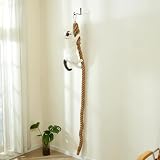
- Size: Diameter: 1.9 inches, Length: 6.56 feet (include the length of carabiner)
- Healthy and Durable Material: Made from natural premium jute fiber, it offers remarkable durability and longevity. Its fibers are known for their strength and resistance to wear and tear. Please note during the production process, the jute rope may develop a kerosene-like odor. This scent is completely harmless to humans. Simply place the rope in a well-ventilated area to air it out, and the odor will rapidly diminish before gradually fading away entirely.
- Versatile: This jute rope allows indoor and outdoor cats to climb and scratch. Normally, it will last longer to keep it under the shelter.
7. DIY Cedar Cat Tree
Best for: Budget-conscious cat owners who enjoy building things themselves
If you’re comfortable working with basic tools, building your own cedar cat tree can be a practical way to create something that fits your catio perfectly. You can choose the height, platform sizes, and overall layout based on your available space and how your cat likes to climb.
Cedar is naturally resistant to rot, making it a useful material for outdoor structures. With properly selected, untreated, pet-safe wood and a sturdy design, you can build a climbing area that holds up well outdoors while giving your cat places to perch, scratch, and relax.
One of the biggest advantages of going the DIY route is flexibility. You can start with a simple structure and add more platforms or climbing features later. It’s also a rewarding weekend project if you enjoy working with your hands.
If you’re building your first cat tree, I’d recommend starting with a few sturdy, easily accessible platforms rather than attempting an elaborate design right away. Pay particular attention to how the structure is anchored and whether the platforms can comfortably support your cat’s weight when jumping or landing. You can always expand the tree once you’ve seen which areas your cat enjoys using.
Pros:
- Fully customizable to fit your catio and your cat’s preferences
- Can be more affordable than purchasing a premium outdoor cat tree
- Enjoyable DIY project with room for future additions
Cons:
- Requires tools, planning, and time to build safely
- No manufacturer warranty or return option
Suggested Materials:
- Marine-grade outdoor carpet (optional)
- Cedar boards or logs
- Stainless steel screws
- Sturdy mounting brackets
- Sandpaper for smoothing rough edges
How to Integrate a Cat Tree Into Your Catio Design
Choosing a good outdoor cat tree is only part of the process. Where you place it, how securely it’s installed, and how it connects with the rest of your catio can make a big difference in how often your cat uses it.
Whether you’re working with a small window catio or a spacious walk-in enclosure, a little planning can help you create a safe, comfortable space that’s easy to maintain.
1. Find the Right Location
Think about what your cat enjoys doing outdoors. Some cats love stretching out in the sunshine, while others prefer sitting somewhere shaded and watching everything happening around them.
When deciding where to place your cat tree, consider:
- Sun exposure: South-facing areas often receive plenty of sunlight, making them appealing to cats that enjoy sunbathing.
- Access to shade: Position the tree near a covered section, roof overhang, or another shaded area so your cat can escape direct sunlight.
- Interesting views: A spot overlooking the garden, bird feeders, or everyday backyard activity can give your cat plenty to watch.
- Drainage: Avoid areas where rainwater collects. Raising the base slightly can help prevent moisture damage.
If your catio already has elevated shelves or walkways, consider positioning the tree nearby. This can give your cat additional climbing routes without requiring another large structure.
Before settling on a location, spend a little time observing where your cat naturally likes to sit and watch the outdoors. If they consistently choose a particular window or sunny corner, that can give you a good idea of where they’ll feel most comfortable in the catio. Just make sure they can always move into the shade when they need to cool off.
2. Make Sure the Tree Is Secure
Cats can put considerable force on a tree when jumping between platforms. Add outdoor wind and uneven surfaces, and stability becomes especially important.
To keep your cat tree secure:
- Use sturdy brackets: Attach the structure to suitable decking, concrete, or other solid surfaces using appropriate hardware.
- Consider additional base support: Weights or sandbags may help stabilize certain designs, although they shouldn’t replace proper anchoring when it’s required.
- Support taller structures: Use secure side supports or appropriately installed bracing to reduce movement.
- Choose level ground: Avoid placing the tree directly on loose gravel or uneven flooring where it could shift.
Before allowing your cat to climb, test the structure for movement and check that all connections are tight. A wobbly tree isn’t just unsafe; it may also discourage cautious cats from using it.
Remember that cats don’t always approach a tree slowly or carefully. They may leap onto a platform while playing or suddenly jump down after spotting something interesting. Test the tree with these movements in mind rather than assuming it’s stable simply because it stands upright.
3. Connect the Tree with Shelves and Hammocks
A cat tree becomes even more useful when it’s part of a larger climbing area rather than a standalone piece of furniture.
Depending on your catio’s layout, you could:
- Install wall-mounted shelves or walkways that connect different climbing areas.
- Add outdoor hammocks or mesh platforms to create additional resting spots.
- Build a climbing circuit using a combination of platforms, ramps, and shelves.
For example, your cat could climb the tree, walk across a shelf, and use a ramp to return to the ground. This gives them several ways to explore the enclosure while encouraging movement throughout the day.
Make sure every connection is sturdy and the distances between platforms are appropriate for your cat’s size and mobility.
You don’t have to build an elaborate climbing course all at once. Starting with a tree and one or two connecting shelves lets you see how your cat moves through the space before adding more features. You might discover that they prefer a particular route or rarely use certain platforms.
4. Leave Enough Room for Cleaning and Maintenance
Outdoor cat trees will eventually collect dirt, leaves, fur, and other debris. Placing the tree somewhere accessible makes regular cleaning and inspections much easier.
Before installing it, check that you can:
- Sweep or rinse away debris without damaging nearby furniture.
- Remove cushions or carpeted sections for cleaning and drying.
- Reach brackets, screws, and joints to inspect or tighten them when necessary.
Try to avoid positioning the tree so close to a wall or fence that you can’t reach behind it. A little extra clearance can save you considerable effort when it’s time for maintenance.
Think about what cleaning will look like after several months of use, not just when the tree is brand new. If you have to move a heavy structure every time leaves collect behind it or a cushion needs washing, regular maintenance can quickly become inconvenient.
5. Adjust the Setup to Your Cat’s Preferences
Every cat has different preferences when it comes to climbing, scratching, and resting. A setup that works well for an energetic young cat may not be as comfortable for an older cat that prefers staying closer to the ground.
You can make the space more suitable by adding:
- Comfortable, weather-appropriate pads for cats that enjoy lounging.
- Scratching panels or outdoor-suitable rope surfaces for cats that like to stretch and scratch.
- Step-style shelves or ramps for kittens, senior cats, or those who have difficulty jumping.
If several cats share the enclosure, provide multiple resting spots and climbing routes so they don’t have to compete for the same space.
Pay attention to which areas your cat actually uses once the tree is installed. You may find that their favorite spot isn’t the highest platform or the most elaborate feature, but a simple perch with a comfortable view. Small adjustments based on their behavior can make the catio more enjoyable without requiring major changes.
If your cat seems hesitant to explore the new setup, give them time rather than placing them directly onto unfamiliar platforms. Letting them investigate at their own pace can help them become more comfortable with the space.
A thoughtfully positioned outdoor cat tree can turn a basic enclosure into a more interesting place for your cat to spend time. Focus on secure installation, accessible climbing areas, and features that suit your cat’s habits, and you’ll have a catio that’s both enjoyable for them and manageable for you.
Bonus Tips for Choosing the Right Cat Tree for Your Cat
A cat tree that one cat absolutely loves might barely get used by another. Before choosing an outdoor cat tree, think about your cat’s personality, age, mobility, and favorite activities. These details can help you find something they’ll actually enjoy rather than simply taking up space in your catio.
1. Choose a Tree That Matches Your Cat’s Personality
Cats have different preferences when it comes to climbing, resting, and exploring. Consider which of these behaviors sounds most like your cat:
- The Climber: Active cats often enjoy tall structures with several platforms and opportunities to jump between levels.
- The Lounger: Relaxed or older cats may prefer wide, comfortable platforms that are easy to reach.
- The Hider: Shy or nervous cats often appreciate enclosed cubbies where they can retreat and feel secure.
- The Observer: Curious cats may spend much of their time on elevated perches watching birds, insects, and activity around the yard.
Pay attention to where your cat spends time indoors. If they regularly climb onto furniture or sit on high shelves, they may appreciate similar features in their catio.
Don’t be surprised if your cat fits more than one of these descriptions. A cat might spend the morning watching birds from the highest perch and the afternoon sleeping inside a hideaway. Having a couple of different resting options can be more useful than designing the entire tree around one behavior.
2. Consider Your Cat’s Age and Mobility
Your cat’s physical abilities should influence the height and layout of the tree you choose.
- Kittens and younger cats: Often enjoy exploring different levels, making trees with varied platforms and climbing routes appealing.
- Senior cats: May benefit from ramps, steps, and lower platforms, especially if jumping has become difficult.
- Overweight cats: Need sturdy construction, stable bases, and platforms wide enough to support their bodies comfortably.
For cats with arthritis or limited mobility, look for gradual changes in height rather than large gaps between platforms. A tree that’s easy to navigate is generally more useful than one your cat struggles to climb.
It’s worth paying attention to how your cat gets down from furniture, not just how easily they climb up. Some cats can still reach their favorite high spots but hesitate when it’s time to jump down. Adding intermediate platforms or ramps can make those areas more accessible as their mobility changes.
Toward the end of Diba’s life, I noticed her stop using some of the places where she’d always loved sleeping and lounging. She simply didn’t have the strength to climb or jump up to them anymore, so she started choosing comfortable spots she could reach more easily. Cornelius and Baby are still running and climbing all over the place, but Diba taught me how important accessible resting areas become when a cat’s mobility changes.
3. Account for Your Local Weather
Outdoor cat trees face different challenges depending on where you live. Materials that work well in a mild climate may need additional protection in areas with frequent rain, intense sunlight, or cold winters.
- Hot, sunny climates: Choose well-ventilated structures and lighter-colored surfaces that are less likely to absorb excessive heat.
- Rainy climates: Look for moisture-resistant materials that drain and dry easily. Avoid thick, plush coverings that trap water.
- Cold climates: Consider sheltered resting areas and removable, weather-appropriate pads that provide additional comfort.
You can also adjust the setup throughout the year. Breathable mesh surfaces may be more comfortable during summer, while insulated resting pads can provide extra warmth during cooler weather.
Remember that a cat tree doesn’t replace proper shelter from extreme temperatures. Your cat should always have access to a safe indoor space when outdoor conditions become uncomfortable or dangerous.
Before letting your cat settle onto an outdoor platform, check the surface with your hand. Materials exposed to direct sunlight can become surprisingly hot, while damp cushions may stay cold long after the rain stops. A quick check can help you decide whether the space is comfortable enough for your cat to use.
4. Don’t Spend Extra on Features Your Cat Won’t Use
It’s tempting to choose the tallest tree with the most platforms, hammocks, and accessories. However, a complicated design isn’t necessarily better for your cat.
If your cat rarely climbs above the second level of their indoor tree, they may be perfectly happy with a shorter outdoor model that has a few comfortable resting spots.
Before spending more on additional features, consider customer reviews, return policies, and your cat’s existing habits. You can also experiment with temporary climbing arrangements indoors to get a better idea of what they enjoy.
A simple, sturdy cat tree that your cat uses regularly is a better investment than an elaborate structure that sits untouched.
I’d also consider starting with the essentials and adding accessories later. Once your cat has spent some time in the catio, you’ll have a better idea of whether they would benefit from another perch, a scratching surface, or a sheltered resting spot. That way, you’re spending money on features they’re more likely to use.
I once bought a cheaper cat tree and realized afterward that the lounging platforms were too small for my cats to lie on comfortably. Since then, I’ve paid much more attention to platform size, base stability, and whether the scratching areas are long and sturdy enough for a full-body stretch. My cats also rarely used the hammocks on their trees. I’ve learned to prioritize features they’ll actually use rather than buying something just because it looks impressive.
5. Choose a Design That Complements Your Catio
Your cat’s comfort and safety should come first, but the tree can also complement the appearance of your outdoor space.
Depending on your catio’s style, you might prefer:
- Rustic gardens: Natural wood or log-style structures that blend with plants and landscaping.
- Modern patios: Metal or composite designs with clean lines and simple shapes.
- DIY or bohemian spaces: Custom wooden structures or repurposed materials that add a personal touch.
If you’re painting or modifying a cat tree, make sure all finishes and materials are suitable for outdoor use and safe for cats once fully cured.
The goal is to create a space that looks inviting without sacrificing durability or functionality.
A good-looking catio doesn’t have to be filled with expensive or matching furniture. Sometimes, a simple wooden tree surrounded by a few well-placed shelves looks just as appealing while giving your cat everything they need. Focus on making the space practical first, then work the decorative details around it.
Ultimately, your cat’s behavior should guide your decision more than appearance or the number of features. Choose a tree that fits their abilities, gives them comfortable places to explore and rest, and can handle your local weather. That’s what will make it a worthwhile addition to your catio.
FAQs About Outdoor Cat Trees for Catio Spaces
Can I Leave a Cat Tree in My Catio Year-Round?
Yes, provided the cat tree is designed for outdoor use and made from weather-resistant materials such as cedar, composite wood, PVC, or powder-coated metal.
Placing it under a covered section of your catio can help protect it from rain, snow, and prolonged sun exposure. You can also use an appropriate pet-safe waterproof sealant on compatible surfaces for additional protection.
Avoid leaving cat trees with plush carpeting or untreated, moisture-sensitive wood outdoors year-round. These materials can deteriorate quickly when exposed to the elements.
Even if a cat tree is advertised as weather-resistant, I’d still inspect it after heavy rain, snow, or strong winds. Outdoor furniture can gradually loosen or wear down, and catching small problems early is much easier than dealing with a damaged structure later.
What’s the Best Material for an Outdoor Cat Tree?
The best material depends on your climate and how much weather exposure the tree will receive.
Some reliable options include:
- Cedar or appropriately treated wood: Offers resistance to rot and insect damage. Make sure any wood treatments are suitable for surfaces cats will regularly touch or scratch.
- PVC and composite wood: Generally require less maintenance and resist moisture damage.
- Marine-grade carpet or outdoor artificial turf: Can provide traction and comfort while handling moisture better than standard indoor carpeting.
Whichever material you choose, look for a combination of durability, secure footing, and surfaces that are easy to clean and dry.
Think about how much maintenance you’re realistically willing to do. Natural wood can look beautiful, but if you’d rather spend less time inspecting and maintaining surfaces, a moisture-resistant composite might be more practical. The best material is one that works for both your cat and your routine.
How Often Should I Clean an Outdoor Cat Tree?
A thorough cleaning about once a month is a reasonable starting point, although you may need to clean it more frequently if your cat uses it daily or the structure is exposed to rain, dirt, and falling leaves.
For most washable surfaces, mild soap and water can help remove accumulated dirt, fur, and debris. Follow the manufacturer’s cleaning instructions and allow everything to dry before your cat uses it again.
Wooden cat trees also need occasional inspections. Check for splinters, loose screws, damaged platforms, and signs of moisture-related deterioration, especially after severe weather.
You don’t have to wait until your scheduled cleaning day if something looks dirty. Removing wet leaves, standing water, or accumulated debris as you notice them can help prevent moisture from sitting against the structure for long periods.
Are There Portable or Collapsible Outdoor Cat Trees?
Yes. Some cat trees have modular or collapsible designs that make them easier to move or store when they’re not needed.
These can be useful if you only use your catio during warmer months or prefer to bring outdoor furniture inside during winter.
You can also use a portable cat tree as part of a seasonal setup, provided it’s securely stabilized or anchored whenever your cat has access to it. Never rely on portability alone as a sign that a tree is safe for outdoor use.
If you plan to move the tree regularly, consider how heavy it is and whether you can comfortably carry it through your catio entrance. A portable design isn’t particularly convenient if moving it requires taking apart half the enclosure every season.
Will My Cat Use an Outdoor Cat Tree if They Already Have Shelves or Walkways?
They might! Cats often enjoy having several places to climb, rest, and observe their surroundings.
An outdoor cat tree can complement existing shelves and walkways by providing additional climbing routes, scratching surfaces, or comfortable resting spots.
However, every cat has different preferences. If your cat already has plenty of elevated areas they enjoy using, another large structure may not be necessary.
Watch how your cat uses their current setup before adding more furniture. This can help you decide whether a new tree would offer something useful or simply take up space.
For example, if your cat spends most of their time on one particular shelf, consider what makes that spot appealing. It might be the view, the height, or simply the amount of sunlight it receives. Understanding that preference can help you choose a tree they’ll be more likely to enjoy.
Can I Convert an Indoor Cat Tree for Outdoor Use?
You can make certain indoor cat trees more resistant to outdoor conditions, but the results depend heavily on their original construction.
Possible modifications include:
- Applying a pet-safe waterproof sealant to compatible wooden surfaces.
- Replacing indoor fabric coverings with marine-grade carpet or outdoor artificial turf.
- Raising the base to reduce contact with standing water.
- Securing the structure to prevent tipping or shifting.
Keep in mind that weatherproofing the surface won’t necessarily protect materials such as particleboard from moisture damage.
Even with modifications, an indoor cat tree may not last as long as one specifically designed for outdoor use. If you decide to try this approach, a covered catio is generally a better location than an area exposed directly to rain and snow.
Before spending money modifying an indoor tree, check whether its underlying structure is worth protecting. If the panels are made from particleboard or the joints are already loose, replacing the coverings and applying sealant may cost more than the tree is worth. In that situation, starting with an outdoor-rated structure is usually the more practical choice.
Where to Buy Outdoor Cat Trees for Catios
Whether you prefer a ready-made cat tree or want to build something yourself, there are several places to find outdoor-friendly options. The best choice depends on your budget, your catio’s layout, and how much customization you need.
Online Retailers
- Amazon – Offers a wide selection of cat trees, with customer reviews, product photos, and shipping options that make comparing different models easier. Just make sure the tree is actually suitable for outdoor use.
When browsing reviews, I’d pay particular attention to photos from customers who’ve used the tree outdoors. These can give you a better idea of its actual size, stability, and how well the materials hold up over time. A product described as durable isn’t necessarily designed to withstand rain and changing temperatures.
DIY & Local Options
- Home Depot or Lowe’s: Good places to find cedar boards, screws, outdoor turf, and other materials for a DIY cat tree.
- Local carpenters or makers: Worth considering if you want a custom structure designed around your catio’s dimensions.
- Facebook Marketplace or Craigslist: Sometimes have handmade or gently used cat trees at lower prices. Inspect the materials, stability, and overall condition before buying.
If you’re considering a secondhand cat tree, check more than just its appearance. Look for loose connections, water damage, worn scratching surfaces, and odors that may be difficult to remove. A cheap tree isn’t much of a bargain if you have to replace most of its parts to make it safe and usable.
Before You Buy
Measure your catio carefully and compare those measurements with the product’s listed dimensions. Some cat trees look surprisingly compact in photos but take up considerably more room once assembled.
Remember to account for the space your cat needs to jump between platforms and the clearance you’ll need for cleaning. A slightly smaller tree that fits comfortably is often more practical than a larger one that makes the enclosure feel crowded.
One simple trick is to mark out the tree’s footprint on the ground before ordering. This helps you visualize how much room it will occupy and whether it might block a walkway, door, or another area your cat already enjoys using.
Final Thoughts: Choosing the Right Outdoor Cat Tree for Your Catio
An outdoor cat tree can make your catio more enjoyable by giving your cat additional places to climb, scratch, rest, and watch the world around them. But the biggest or most expensive tree isn’t necessarily the best choice.
Start by thinking about how your cat already spends their time. If they love climbing, look for sturdy platforms at different heights. If they prefer lounging or watching birds, a comfortable perch with a good view might be all they need. Older cats or those with limited mobility may appreciate lower platforms and ramps instead.
Before buying, measure your available space, check that the materials can withstand your local weather, and make sure the structure can be securely anchored. Leave enough room for your cat to move comfortably and for you to clean and inspect the tree.
My advice is to start with a simple, safe setup and see how your cat responds before adding more features. You might discover that they spend hours on one particular platform while completely ignoring the rest. That’s useful information when deciding what to add or change.
Don’t feel discouraged if your cat doesn’t immediately start climbing their new tree. Some cats need time to investigate unfamiliar furniture, especially in an outdoor environment with new sounds, smells, and distractions. Let them explore at their own pace rather than trying to place them on different platforms. As they become more comfortable, you’ll get a better sense of which features they actually enjoy.
After years of buying cat furniture for Diba, Cornelius, and Baby, my biggest advice is to choose quality over the lowest price. A well-made cat tree can provide years of climbing, scratching, playing, and lounging, making it a worthwhile investment. I’d rather spend more on something sturdy and comfortable that my cats can really use than save money on a tree that looks nice but doesn’t hold up to everyday activity.
Ultimately, the goal isn’t to fill your catio with furniture. It’s to create a comfortable, secure outdoor space that your cat genuinely enjoys using. Even one well-placed perch where your cat can relax and watch the birds can make a meaningful difference in how they experience their catio.
Ready to Upgrade Your Catio?
Your cat deserves the best—and that starts with a cat tree designed for outdoor adventure. Whether you’re building from scratch or choosing a ready-made model, the right tree can turn a simple enclosure into a feline paradise.
Explore more enrichment ideas in our guide:
- Top Outdoor Cat Enclosures for Small Spaces
- Best DIY Cat Furniture Projects You Can Build This Weekend
Browse Top-Rated Outdoor Cat Trees:
- Frondly Nature Cat Trees on Amazon
- Omlet Freestyle Modular Outdoor Cat Tree
- Weatherproof Cat Trees on Amazon
Disclaimer: The information provided on this site is for general informational purposes only. It is not intended as veterinary advice, diagnosis, or treatment. Always seek the guidance of a licensed veterinarian before making decisions about your pet’s health.
Results Disclaimer: Results may vary. Our recommendations are based on editorial research and do not guarantee specific outcomes.
Accuracy Notice: We strive to keep content accurate and up to date. However, always verify current information and consult a veterinarian for personalized guidance.

James Kim is the founder of SavingNineLives.com, a passion project dedicated to improving the lives of rescue cats through practical care tips, adoption guides, and heartfelt advocacy. Though not a veterinarian, James is a lifelong cat lover who collaborates with animal welfare volunteers, rescue shelters, and vet-reviewed sources to ensure accurate, trustworthy information. His mission is simple: to help cat parents make informed, compassionate decisions that support feline health and well-being.
When he’s not writing, James is busy fostering cats, volunteering at local shelters, and testing cat-friendly products to recommend only the best to readers. Every article on this site is carefully researched and reviewed to meet the highest standards for cat health content.
Experience: 10+ years of hands-on experience with rescue cats
Content Vetting: Collaborates with vet techs and rescue workers
Trust & Transparency: All products and advice are shared with affiliate disclosures and reader safety in mind
Follow James and the Saving Nine Lives journey as we help one rescue cat at a time.