
9 Best Eco-Friendly Cat Litters for a Cleaner Planet and a Happier Cat (2026 Guide)
Last Updated on January 1, 2026 by James Kim
Affiliate Disclosure:
This post may contain affiliate links. If you click through and make a purchase, I may earn a small commission at no extra cost to you. As an Amazon Associate I earn from qualifying purchases. I only recommend products I believe bring genuine value. Thank you for supporting this site.
Note: This article is for informational purposes only and is not a substitute for professional veterinary advice. Always consult your vet for your cat’s specific needs.
Did you know that over 2 million tons of traditional clay-based cat litter are dumped into U.S. landfills every year? Most cat owners don’t realize that their litter box routine could be contributing to significant environmental waste. Conventional litters, especially those made from sodium bentonite clay, are not only non-biodegradable but are often strip-mined, a process that devastates ecosystems and requires intensive energy use.
If you’re a cat parent who cares about the planet—and your feline’s health—it’s time to consider switching to a more sustainable solution. Eco-friendly cat litters offer a cleaner, greener alternative without sacrificing odor control, clumping performance, or your cat’s comfort. Made from renewable or biodegradable materials like wood, corn, wheat, tofu, or recycled paper, these litters break down naturally and are often safer for both pets and humans (especially when it comes to dust and chemical exposure).
In this guide, we’ll walk you through the 9 best eco-friendly cat litters of 2026, carefully selected based on their environmental impact, cat-friendliness, odor control, and overall performance. Whether you’re looking for a litter that’s flushable, compostable, low-dust, or just gentle on sensitive paws, there’s a planet-conscious option here for every home.
Let’s explore how you can reduce your cat’s carbon pawprint—without compromising on cleanliness.
Why Choose Eco-Friendly Cat Litter?
When it comes to cat litter, many owners focus only on odor control and clumping ability—but what’s often overlooked is the environmental and health impact of traditional litter choices.
1. Environmental Impact of Clay-Based Litters
Most conventional cat litters are made from sodium bentonite clay, a material obtained through strip mining. This destructive process:
- Removes topsoil, harming local ecosystems
- Uses high energy consumption
- Results in a product that is not biodegradable, meaning it sits in landfills for hundreds of years
With over 85 million cats in the U.S. alone, the waste generated from litter is staggering. Switching to a biodegradable or compostable litter is one small but powerful way to reduce your household’s ecological footprint.
2. Health Benefits for Cats and Humans
Many traditional litters are packed with:
- Synthetic fragrances
- Chemical additives
- Silica dust, a known respiratory irritant
These substances can cause:
- Sneezing or coughing in cats (especially long-term)
- Aggravated asthma or allergies in humans
- Eye and paw irritation for sensitive cats
Eco-friendly litters are typically non-toxic, low-dust, and free from synthetic scents, making them a safer choice for kittens, elderly cats, and allergy-prone households.
3. Biodegradable, Compostable, and Sustainable
Eco litters are often made from plant-based or renewable materials like:
- Recycled paper
- Wood shavings or sawdust
- Corn, wheat, or tofu
- Walnut shells or coconut husks
These materials:
- Break down naturally in compost or trash
- Require less energy to produce
- Are often sourced from byproducts or waste, making them doubly sustainable
Some options are even flushable, though you should always check with local guidelines to avoid plumbing or environmental issues.
The Bottom Line
By choosing eco-friendly litter, you’re not just protecting the environment—you’re also creating a cleaner, safer space for your feline companion. It’s a win-win for your cat, your conscience, and the planet.
What to Look for in a Green Cat Litter
Choosing the best eco-friendly cat litter isn’t just about grabbing the first bag labeled “natural.” With a wide variety of materials, features, and sustainability claims on the market, it’s important to know what really matters for you, your cat, and the planet.
Here’s what to consider before you make the switch:
Biodegradable vs. Compostable
Not all “green” litters are created equal. Understanding these terms helps you pick the most sustainable option:
- Biodegradable: Breaks down over time via natural processes (e.g., corn, paper, tofu). Most eco-litters fall under this category.
- Compostable: Can be safely composted under the right conditions. However, used cat litter may need to be composted separately (not for food gardens due to pathogens).
- Check labels for clear disposal instructions to avoid greenwashing.
Clumping Ability and Odor Control
Just because it’s natural doesn’t mean it’s effective. Look for eco-litters that:
- Clump tightly for easy scooping (e.g., walnut, corn, and tofu tend to do well)
- Offer natural odor control without artificial fragrances (some use baking soda or activated carbon)
Tip: Corn and walnut shell litters tend to perform best for clumping + odor.
Low Dust and Tracking
Dust isn’t just annoying—it can trigger respiratory issues in both cats and humans. Choose litter that:
- Advertises 99% dust-free or low-dust
- Has larger pellets or heavier particles to reduce tracking
This is especially important for senior cats, kittens, or asthma-prone breeds like Siamese or Bengals.
Scented vs. Unscented
Some eco-litters add natural fragrances like lavender or pine. These can be pleasant, but may irritate sensitive cats.
- If your cat is picky, go unscented
- Look for litters labeled “no synthetic perfumes” or “hypoallergenic”
Flushability and Plumbing Safety
Some green litters (like those made from corn, tofu, or paper) claim to be flushable—but flushing used litter can be risky due to:
- Septic system damage
- Bacteria in cat waste (e.g., Toxoplasma gondii)
Always check local regulations before flushing. When in doubt, compost responsibly or bag and trash it.
Cat-Friendliness and Texture
Every cat has different preferences. Eco litters come in a variety of textures:
- Soft, fine-grain textures (like tofu or wheat) are ideal for kittens or declawed cats
- Pellet styles (like paper or pine) can take getting used to, so introduce gradually
The key is to match the litter to your cat’s comfort and behavior—not just your personal values.
Quick Checklist:
Before buying, ask yourself:
- Is this litter made from renewable or recycled materials?
- Will my cat actually use it?
- How easy is it to scoop and clean?
- Is it safe to compost or flush in my area?
9 Best Eco-Friendly Cat Litters of 2026
Below are our top picks for the most eco-conscious, cat-approved litters available this year. These options combine sustainability, odor control, clumping ability, and comfort — without compromising the environment or your cat’s health.
1. Ökocat Natural Wood Cat Litter
- Material: Reclaimed wood fibers
- Why it’s eco-friendly: Made from upcycled lumber scraps, biodegradable, no artificial additives
- Pros: Tight clumps, great odor control, very low dust
- Cons: Slight natural wood smell some cats may need time to adjust to
- Best for: Households prioritizing dust-free air and compostable waste
- Buy: [Check on Amazon]

- NATURAL CAT LITTER: Our next-generation, plant-based, premium clumping cat litter is relentless at controlling odors while being exceptionally absorbent and naturally lightweight for added convenience and cleanliness
- EXCEPTIONAL ODOR CONTROL: Wood fiber naturally prevents enzymes from bonding with liquid and waste to stop the creation of ammonia and odor
- CLUMPING LITTER: Precision cut wood fiber absorbs liquid on contact, forming solid, easy-to-scoop clumps that make cleaning the litter box quick and easy
2. World’s Best Cat Litter (Corn-Based)
- Material: Whole-kernel corn
- Why it’s eco-friendly: Biodegradable, flushable (in some areas), made from renewable crops
- Pros: Excellent clumping, flushable, naturally controls odors
- Cons: Lightweight texture can lead to tracking
- Best for: Multi-cat households wanting convenience and odor control
- Buy: [Check on Amazon]

- OUTSTANDING ODOR CONTROL — More cats shouldn’t mean more smells — keep your cats happy with a natural litter with long-lasting odor control.
- QUICK CLUMPING and EASY SCOOPING — Multiple cats can most often mean more clean up — but not with this fast-acting natural litter that requires no chiseling or scraping.
- LIGHTWEIGHT and 99% DUST FREE — Naturally free of silica dust, this lightweight cat litter offers low tracking and less mess — so you and your cat can breathe easy. For the best results, do NOT mix with a non-clumping litter.
3. sWheat Scoop Natural Wheat Litter
- Material: Wheat
- Why it’s eco-friendly: Renewable, biodegradable, no added fragrances or dyes
- Pros: Natural enzymes neutralize odors, gentle on paws
- Cons: Clumping isn’t as tight as clay or corn litters
- Best for: Cats with sensitive paws or allergies
- Buy: [Check on Amazon]
No products found.
4. Feline Pine Original Cat Litter
- Material: Compressed pine pellets
- Why it’s eco-friendly: Recycled sawdust from lumber mills, no chemicals or fragrances
- Pros: Great natural pine scent, extremely low dust
- Cons: Doesn’t clump; requires sifting or frequent full litter changes
- Best for: Cat owners who prefer simple, natural, no-fuss litter
- Buy: [Check on Amazon]

- LIGHTWEIGHT CAT LITTER so changing and refilling the cat litter box is fast and easy. That’s easy because this absorbent non-clumping kitty litter is natural and less than half the weight of clay litter and leaves no messy cloud of dust.
- HIGHLY ABSORBENT PINE LOCKS AWAY ODORS: Feline Pine cat litter is a lightweight non-clumping cat litter that directly binds to odors like thousands of tiny sponges to soak up liquid and lock away ammonia odors to keep the litter box fresh and dry.
- A NATURAL CAT LITTER CHOICE. No new trees are cut down to make the pine shavings in Feline Pine Platinum Natural Pine Non-Clumping Litter. This unscented cat litter comes from kiln dried shavings reclaimed from lumber production,
5. Naturally Fresh Walnut-Based Litter
- Material: Crushed walnut shells
- Why it’s eco-friendly: Made from discarded walnut shells, biodegradable
- Pros: Exceptional odor control, hard clumps
- Cons: Dark color can make it hard to see clumps
- Best for: Households that need strong odor-fighting performance
- Buy: [Check on Amazon]
No products found.
6. FEELING BEST Tofu Cat Eco Litter
- Material: Tofu (soybean fiber)
- Why it’s eco-friendly: 100% plant-based, biodegradable, compostable, flushable
- Pros: Soft texture, great for sensitive cats, clumps well
- Cons: Premium price point
- Best for: Eco-purists and cats with delicate paws or post-surgery needs
- Buy: [Check on Amazon]

- FEELING BEST Tofu Cat Litter 100% Natural Raw Materials. Discover the best in eco-friendly pet care with Go Natural’s range of natural cat litter. No added chemicals. Safe if your cat licks it
- Flush-able: Made from natural ingredients that dissolve in water. Scoop and pour used tofu litter into the toilet – no more trash bags. Quick, cleaner cleanup. Less household waste. Less odor (Note: Don’t flush too much at once)
- Fast & Tight Clumping: Small Fine particles fill the gaps between tofu litter, enlarge contact area, and speed up water absorption.Get quick, tight clumps that never crumble or stick.No sticky box bottom – just fast, clean scooping
7. Sustainably Yours Cat Litter (Cassava + Corn)
- Material: Cassava and corn blend
- Why it’s eco-friendly: Plant-based, biodegradable, low-dust
- Pros: Transparent clumps (easy to spot), excellent clumping
- Cons: May track slightly
- Best for: Multi-cat homes looking for something unique and sustainable
- Buy: [Check on Amazon]
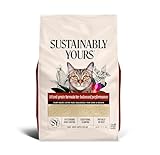
- OUTSTANDING ODOR CONTROL: Our proprietary formula instantly traps urine odor and prevents its build-up. And we never use fragrance, so there are no artificial scents that can irritate both cats and people.
- EXCEPTIONAL CLUMPING: Because our litter is made exclusively from corn and cassava, it’s naturally rich in starches. This results in dry, fast-forming, and firm clumps that you can trust to stay together while scooping and cleaning your litter box.
- VIRTUALLY NO DUST: Our proprietary machinery removes dust at key points in the production process, resulting in a litter that protects cats from possible respiratory issues—and your home from a dusty mess.
8. Pidan Tofu Cat Litter
- Material: Tofu and starch-based blend
- Why it’s eco-friendly: Compostable, flushable, no synthetic additives
- Pros: Very soft and low-dust, appealing minimalist design
- Cons: Slight learning curve when scooping clumps
- Best for: Cat owners in small spaces or apartments
- Buy: [Check on Amazon]

- 【Plant Based Cat Litter】pidanTofu cat litter is crafted from renewable natural ingredients including pea, corn and cassava. It delivers excellent water absorption and odor control, while being eco-friendly to the environment.
- 【Fast Clumping】Tofu cat litter made of soy and pea pulp fiber and cassava-wheat-corn starch expands and forms clumps quickly in the presence of water, making cleanup easy.
- 【LessTracking】The large-sized paw-friendly coffee litter with its specific weight enhances anti-tracking performance.
9. CatSpot Coconut Cat Litter
- Material: Coconut husks
- Why it’s eco-friendly: 100% coconut, biodegradable, compostable
- Pros: Absorbs up to 560% of its weight, very lightweight
- Cons: Doesn’t clump, needs to be stirred frequently
- Best for: Single-cat households wanting odor control without chemicals
- Buy: [Check on Amazon]

Eco-Friendly Cat Litter Comparison Chart
| Product | Clumping | Odor Control | Compostable | Flushable | Dust Level | Texture | Best For |
|---|---|---|---|---|---|---|---|
| Ökocat Wood Litter | ✅ | ✅ | ✅ | ❌ | Very Low | Fine to medium | Dust-sensitive homes |
| World’s Best (Corn) | ✅ | ✅ | ✅ | ✅* | Low | Soft, sandy | Multi-cat homes, easy scooping |
| sWheat Scoop (Wheat) | ✅ | Moderate | ✅ | 🚫 | Low | Soft | Cats with sensitivities |
| Feline Pine (Pellets) | 🚫 | Moderate | ✅ | 🚫 | Very Low | Large pellets | Owners wanting zero additives |
| Naturally Fresh (Walnut) | ✅ | ✅ | ✅ | 🚫 | Moderate | Medium-fine | Strong odor control |
| FEELING BEST Tofu Cat Eco Litter | ✅ | ✅ | ✅ | ✅ | Very Low | Soft, smooth | Premium, compostable pick |
| Sustainably Yours Cat Litter (Cassava + Corn) | ✅ | ✅ | ✅ | ✅ | Low | Ultra-fine | Transparent clumps, multi-cat use |
| Pidan Tofu Litter | ✅ | Moderate | ✅ | ✅ | Very Low | Super soft | Apartment dwellers |
| CatSpot (Coconut) | 🚫 | Moderate | ✅ | ❌ | Very Low | Fluffy, dry | Lightweight, non-clumping needs |
Note: Flushability depends on local plumbing and waste regulations. Always check your municipality’s guidelines before flushing any litter.
How to Transition Your Cat to Eco-Friendly Litter (Without Drama)
Switching your cat to a natural litter is one of the best things you can do for their health and the planet—but cats are creatures of habit. A sudden change in litter type, texture, or scent can lead to litter box avoidance or stress-related behaviors.
Here’s how to make the transition smooth for both of you:
1. Take It Slow: Mix Old and New
Cats are wary of change. Instead of an overnight switch, try a gradual blend:
- Week 1: 75% old litter, 25% eco-friendly litter
- Week 2: 50/50 mix
- Week 3: 25% old litter, 75% new
- Week 4: 100% eco-friendly litter
Watch your cat’s behavior during this process. If they hesitate, pause at a mix they tolerate before moving forward.
2. Clean the Box More Frequently at First
Some natural litters don’t mask odor as aggressively as clay-based ones (especially during the transition).
- Scoop twice daily if needed
- Clean the box thoroughly every few days to keep it fresh
- Use baking soda or an odor-absorbing mat if extra help is needed
3. Stick With the Same Box Placement
Changing both the litter and the location of the litter box can overwhelm your cat.
- Keep the box in the same spot
- Avoid changing brands and box types at the same time
4. Skip the Scents
Even if you’re tempted to try a pine- or lavender-scented natural litter, start with unscented versions. Cats rely on smell and may reject litter that’s too strong or unfamiliar.
5. Make It Comfortable
Some eco-litters (like paper pellets or wood chips) feel very different underfoot.
- If your cat has declawed paws, is older, or is very picky, go with soft-texture options like tofu or wheat litter
- Use a familiar scoop and mat to keep the transition subtle
Bonus Tip: Use Two Litter Boxes Temporarily
Set up a second box with the new litter and let your cat explore it voluntarily.
- Cats are naturally curious—some will make the switch on their own without needing a mix
Patience is key. Most cats adjust within 1–3 weeks if the change is gradual and the environment remains familiar. Once they’re comfortable, you’ll have peace of mind knowing your litter routine is safer for both your pet and the planet.
FAQs About Eco-Friendly Cat Litter
Is eco-friendly cat litter flushable?
Some natural litters, like those made from tofu, corn, or paper, are labeled flushable. However, flushing used cat litter—even if biodegradable—can pose risks:
- Toxoplasma gondii, a parasite in cat feces, can contaminate water sources
- Many plumbing systems, especially septic tanks, aren’t equipped to handle litter
Bottom line: Check your local regulations and when in doubt, compost or dispose in the trash using biodegradable bags.
Can I compost used eco-litter?
Yes—but with a few caveats:
- Only compost urine-soiled litter, not feces (unless using a pet-safe composting system)
- Never use composted cat litter on edible gardens
- Stick to yard waste composting or flower beds
Always read the packaging for composting instructions, and avoid clay- or chemical-based litters entirely if you plan to compost.
Is natural cat litter safe for kittens?
Most natural litters are safer for kittens than clay due to:
- No added chemicals or silica dust
- Gentle, soft textures that won’t irritate tiny paws
Avoid flushable litters for kittens under 12 weeks, as they may try to eat it out of curiosity. Tofu, corn, or paper-based options are typically ideal.
Do eco-litters really control odor?
Yes—many eco-friendly litters do an excellent job with odor when scooped regularly. Look for options that use:
- Natural enzymes (like wheat)
- Baking soda or activated carbon
- Tightly clumping materials like walnut or tofu
For best results, scoop daily and use a well-ventilated area.
What’s the most eco-friendly litter overall?
The most sustainable litter:
- Is biodegradable or compostable
- Comes from renewable, plant-based materials
- Uses minimal packaging or recycled materials
- Has a low dust level and no synthetic additives
Top contenders for 2026 include TofuKitty, Ökocat, and Naturally Fresh for their complete eco profiles.
Conclusion: Small Change, Big Impact — Switch to a Greener Litter Today
Making the switch to an eco-friendly cat litter may seem like a small step, but it adds up to a big difference—for the planet, for your cat’s health, and for your peace of mind. Traditional clay litters not only harm the environment through destructive mining and landfill buildup, but also expose your cat to dust, chemicals, and artificial scents.
Fortunately, the market is full of safe, sustainable alternatives. Whether you’re looking for soft tofu litter for sensitive paws, odor-busting walnut shells, or a zero-waste pine pellet solution, there’s a natural litter that fits your lifestyle and values.
- Choose a litter that’s biodegradable, low-dust, and comfortable for your cat.
- Scoop regularly and transition gradually to help your cat adapt stress-free.
- Support brands that prioritize sustainability and ethical sourcing.
Take the Next Step: Choose a Safer, Greener Litter for Your Cat
Switching to an eco-friendly litter isn’t just a feel-good decision — it’s a practical, health-conscious move that supports your cat’s well-being and the planet’s future. Whether you’re looking for a biodegradable option with strong odor control or a compostable litter for your garden, there’s a sustainable solution for every household.
Next steps you can take:
Compare the Best Natural Cat Litters Side-by-Side
See how texture, odor control, clumping power, and compostability stack up in our quick-view chart.
Read: How to Dispose of Cat Litter Without Harming the Planet
Learn the safest ways to toss or compost eco-litter — without damaging your plumbing or soil.
Guide: Litter Box Setup for Rescue Cats
Rescue cat adjusting slowly? This guide helps you pair the right litter with the right box and location.
External Resource:
EPA Guide to Pet Waste Management – For additional tips on eco-safe disposal and why cat waste matters.
Shop Eco-Friendly Litters Now
Support sustainability and your cat’s comfort in one go. Our top recommended products are available through trusted retailers:
Disclaimer: The information provided on this site is for general informational purposes only. It is not intended as veterinary advice, diagnosis, or treatment. Always seek the guidance of a licensed veterinarian before making decisions about your pet’s health.
Results Disclaimer: Results may vary. Our recommendations are based on editorial research and do not guarantee specific outcomes.
Accuracy Notice: We strive to keep content accurate and up to date. However, always verify current information and consult a veterinarian for personalized guidance.

James Kim is the founder of SavingNineLives.com, a passion project dedicated to improving the lives of rescue cats through practical care tips, adoption guides, and heartfelt advocacy. Though not a veterinarian, James is a lifelong cat lover who collaborates with animal welfare volunteers, rescue shelters, and vet-reviewed sources to ensure accurate, trustworthy information. His mission is simple: to help cat parents make informed, compassionate decisions that support feline health and well-being.
When he’s not writing, James is busy fostering cats, volunteering at local shelters, and testing cat-friendly products to recommend only the best to readers. Every article on this site is carefully researched and reviewed to meet the highest standards for cat health content.
Experience: 10+ years of hands-on experience with rescue cats
Content Vetting: Collaborates with vet techs and rescue workers
Trust & Transparency: All products and advice are shared with affiliate disclosures and reader safety in mind
Follow James and the Saving Nine Lives journey as we help one rescue cat at a time.