
7 Best Cat Shampoos for Sensitive Skin (Gentle & Safe)
Last Updated on October 13, 2026 by James Kim
Affiliate Disclosure:
This post may contain affiliate links. If you click through and make a purchase, I may earn a small commission at no extra cost to you. As an Amazon Associate I earn from qualifying purchases. I only recommend products I believe bring genuine value. Thank you for supporting this site.
Note: This article is for informational purposes only and is not a substitute for professional veterinary advice. Always consult your vet for your cat’s specific needs.
You give your cat a bath hoping to leave their coat clean and fresh, only to notice them scratching more than usual afterward. Maybe their skin looks red, feels dry, or develops flaky patches. It’s frustrating, especially when you’re trying to help them feel more comfortable.
Some cats have sensitive skin that reacts to certain shampoos, including products containing fragrances, harsh cleansers, or ingredients that aren’t suitable for cats. Even shampoos labeled as natural or gentle aren’t necessarily safe for every feline.
Finding the right shampoo for a cat with sensitive skin can make bath time less irritating, but it’s important to understand what’s causing the problem first. The wrong formula may dry out their skin or worsen existing irritation, while a gentle, cat-safe shampoo can help clean their coat without stripping away too much of its natural oils.
Before switching products, pay attention to when the scratching started and whether it gets worse after bathing. Sometimes the most helpful change isn’t buying another shampoo, but bathing your cat less often or finding out what’s irritating their skin in the first place. Most healthy cats rarely need baths, and repeated washing can make dryness worse.
In this guide, we’ll look at the best cat shampoos for sensitive skin, focusing on gentle formulas, ingredients worth avoiding, and options for cats prone to dryness or irritation. We’ll also explain when shampoo might help and when persistent itching, redness, or other skin problems warrant a visit to your veterinarian.
The goal isn’t just a cleaner coat. It’s finding something that keeps your cat comfortable without making an existing skin problem worse.
Signs Your Cat Has Sensitive Skin
A cat that suddenly starts scratching more than usual or grooming the same spot repeatedly may be dealing with skin irritation. Sometimes the signs are obvious, like redness or bald patches. Other times, you might only notice a few flakes in their fur or that they seem uncomfortable when you pet them.
Skin problems can have several causes, including allergies, environmental irritants, diet, parasites, and grooming products. Knowing what to look for can help you recognize a problem before it gets worse.
It also helps to know what’s normal for your cat. A change in their usual grooming habits or how they react to being touched can tell you more than an occasional scratch.
Here are six common signs worth paying attention to.
1. Excessive Scratching or Grooming
Cats naturally spend a lot of time grooming, but constant licking, biting, or scratching in one area can indicate irritation or inflammation.
Pay attention if your cat keeps returning to the same spot, especially if the skin starts looking red or the fur becomes thinner.
When I moved, Baby started overgrooming part of her leg. I suspected the stress of moving was responsible because I could tell she was having a hard time adjusting. I gave her plenty of time to settle in, and after about two weeks to a month, the overgrooming stopped. Her fur eventually grew back, too. It taught me to pay attention to changes in my cats’ environment, not just their skin.
2. Dry, Flaky Skin or Dandruff
Small white flakes in your cat’s fur or on their favorite sleeping spot can be a sign of dry skin. Sometimes this happens after bathing with a shampoo that removes too much of the skin’s natural oils.
If you notice flakes after switching grooming products, the new shampoo may be contributing to the problem.
3. Redness or Inflammation
Red or irritated patches can appear anywhere, but they’re worth checking for around the ears, neck, belly, and underarms.
These areas may become inflamed because of allergies, irritation, or repeated scratching. Redness that doesn’t improve shouldn’t be ignored.
4. Hair Loss or Thinning Fur
If your cat keeps licking or scratching irritated skin, you may eventually notice bald spots or patches of thinning fur.
Hair loss isn’t always caused by sensitive skin, though. Parasites, infections, and other health conditions can produce similar symptoms.
5. Scabs, Bumps, or Sores
Crusty bumps, scabs, or open sores can develop when skin becomes inflamed or a cat repeatedly scratches an itchy area.
Allergic reactions are one possible cause, and unsuitable grooming products may make existing irritation worse. These changes can also indicate conditions that need veterinary treatment.
6. Sensitivity to Touch
A cat that normally enjoys being petted might suddenly pull away, flinch, or become irritated when you touch a particular area.
Before assuming they’re simply not in the mood, check whether the skin looks red, swollen, or uncomfortable. Pain and skin irritation can make even gentle contact unpleasant.
One change I noticed with Diba toward the end of her life was how much less she groomed herself. She used to groom constantly, but as her health declined, she spent more time sleeping, and her fur started looking oilier and less maintained. She wasn’t necessarily dirty, but I could tell something had changed because I knew what her normal grooming habits looked like. I started brushing her more to help keep her coat comfortable.
When to See a Vet
A gentle, cat-safe shampoo may help with certain mild skin sensitivities, but persistent or worsening symptoms should always be evaluated by a veterinarian.
Fleas, food allergies, fungal infections, and autoimmune diseases can all cause skin problems that shampoo alone won’t resolve. Open sores, significant hair loss, or obvious pain also deserve prompt attention.
Don’t assume your cat just needs a different shampoo. If the irritation keeps returning, identifying the underlying cause is more useful than repeatedly trying new products.
If you’re unsure whether the symptoms are improving, take a few photos of the affected areas and note when you first noticed them. Having that information ready can help your veterinarian understand how the problem has changed over time.
What to Look for in a Cat Shampoo for Sensitive Skin
Finding a shampoo for a cat with sensitive skin isn’t as simple as picking one labeled “gentle” or “natural.” Some products contain fragrances, strong cleansers, or ingredients that may irritate your cat’s skin. Others are designed for dogs and may contain ingredients that aren’t safe for cats.
When I shop for grooming products for my cats, I usually start by checking the ingredients to make sure they’re safe for cats, then read reviews from other cat owners. Hearing that a product worked well for other people’s cats helps me decide whether it’s worth considering. I still think it’s important to pay attention to how your own cat responds, since what works for one cat might not work for another.
The safest approach is to choose a shampoo specifically formulated for cats and pay attention to what’s actually in it. You don’t necessarily need the most expensive product or one with a long list of special ingredients. Sometimes a simple, fragrance-free formula is the better choice.
Here are six things worth checking before you buy.
1. Hypoallergenic Formulas
A hypoallergenic shampoo is a good starting point for cats prone to skin irritation. These formulas are generally designed to reduce exposure to common allergens and irritating ingredients.
However, hypoallergenic doesn’t mean a product is guaranteed to prevent reactions. Check the ingredient list, especially if your cat has reacted to grooming products before.
2. Fragrance-Free Formulas
A shampoo doesn’t need to smell good to clean your cat effectively. In fact, added fragrances can irritate sensitive skin, even when they come from natural sources.
Fragrance-free shampoos are usually the better choice, particularly for cats with a history of itching or dryness. Be cautious with essential oils, including lavender, since some can be harmful to cats.
3. pH-Balanced for Cats
Cats have different skin characteristics and pH needs than humans, so shampoos made for people aren’t a good substitute.
Look for a formula specifically designed for feline skin. An unsuitable shampoo can interfere with the skin’s protective barrier, potentially contributing to dryness, flaking, and irritation.
4. Free from Harsh or Irritating Ingredients
Some shampoos contain strong detergents, fragrances, or drying alcohols that may be too harsh for sensitive skin.
When comparing products, pay attention to ingredients such as sulfates, parabens, phthalates, and alcohol. Not every ingredient in these categories is automatically harmful, but a simple formula with mild cleansers is often preferable for a cat that irritates easily.
5. Soothing Ingredients
Certain ingredients can help moisturize the skin or keep your cat’s coat in good condition. Common examples include:
- Oatmeal: Colloidal oatmeal may help soothe dry, itchy skin.
- Aloe Vera: Can provide moisturizing benefits when properly formulated in a cat-safe shampoo.
- Chamomile: Sometimes included for its soothing properties, although botanical ingredients can still cause reactions.
- Coconut Oil: Can help condition the coat, depending on the formulation.
Natural ingredients aren’t automatically safer. What matters is whether the complete formula is appropriate for cats, especially since they may ingest residue while grooming.
6. Veterinarian-Recommended or Dermatologist-Tested Products
If your cat has recurring skin problems, consider shampoos recommended by a veterinarian or developed with veterinary dermatology expertise.
These products may be formulated for specific skin concerns, making them worth considering when ordinary grooming shampoos haven’t worked well.
Keep in mind that labels such as “vet-approved” don’t necessarily guarantee a product has undergone extensive clinical testing.
Pro Tip for Cat Owners
Before using a new shampoo, check the label for feline-specific directions and consider asking your veterinarian about testing a small area first, particularly if your cat has a history of skin reactions.
Watch for increased scratching, redness, or discomfort after use. If irritation develops, discontinue the product and contact your veterinarian.
And remember, most healthy cats don’t need regular baths. If your cat’s skin is already irritated, bathing more frequently may make the problem worse rather than help it.
Unless your cat has gotten into something messy or your veterinarian recommends bathing, regular brushing may be all they need. There’s no reason to put your cat through an unnecessary bath when their normal grooming routine is already keeping their coat clean.
Ingredients to Avoid in Cat Shampoos
When your cat has sensitive skin, certain shampoo ingredients can make irritation worse rather than help. Even products advertised as “gentle” or “natural” may contain fragrances, strong cleansers, or additives that aren’t suitable for every cat.
Checking the ingredient list is just as important as choosing a reputable brand. You don’t need to understand every chemical name, but knowing which ingredients may cause problems can make shopping a lot easier.
One thing worth remembering is that cats groom themselves by licking their fur. That means shampoo residue isn’t just a skin concern. It’s another reason to use products specifically made for cats and rinse them thoroughly after bathing.
Here are six types of ingredients worth watching for.
1. Artificial Fragrances and Perfumes
Added fragrances can irritate sensitive skin or trigger reactions in some cats. Products labeled simply as “fragrance” or “parfum” may also contain mixtures of ingredients that aren’t individually listed.
Look for: Fragrance-free shampoos formulated specifically for cats. Natural scents aren’t necessarily safer, particularly when they come from essential oils.
2. Sulfates (SLS/SLES)
Sodium lauryl sulfate (SLS) and sodium laureth sulfate (SLES) are cleansing agents that help shampoos foam and remove dirt and oils.
They aren’t automatically unsafe, but stronger cleansing formulas can remove too much of the skin’s natural oils, potentially leaving sensitive cats with dryness, flaking, or irritation.
Instead, choose: A mild, cat-specific shampoo with gentle cleansers, such as appropriately formulated coconut-derived surfactants.
3. Parabens
Parabens are preservatives used to prevent bacteria and mold from growing in cosmetic and grooming products.
Some research has raised concerns about their potential effects on hormones, although evidence of harm from the amounts used in properly formulated shampoos remains limited.
If you prefer to avoid them, paraben-free cat shampoos are available. Just remember that preservatives serve an important purpose in keeping water-based products safe from contamination.
4. Alcohol-Based Ingredients
Certain alcohols, including isopropyl alcohol and ethanol, can dry out or irritate sensitive skin, particularly in products containing higher concentrations.
However, not every ingredient with “alcohol” in its name is harmful. Fatty alcohols such as cetyl alcohol and stearyl alcohol are commonly used to soften and condition the skin and coat.
Look for: Shampoos without high concentrations of drying alcohols rather than avoiding every ingredient labeled as an alcohol.
5. Artificial Dyes and Colors
Artificial colors are often added to make shampoos look more appealing, but they don’t improve how well the product cleans your cat.
Some dyes may cause irritation or allergic reactions in sensitive animals, so there’s little reason to prioritize a brightly colored shampoo.
Look for: Simple, dye-free formulas that focus on cleaning and skin comfort rather than appearance.
6. Essential Oils That May Be Harmful to Cats
Cats process certain compounds in essential oils differently from humans and dogs, making them more vulnerable to toxicity from some oils.
Be especially cautious with shampoos containing:
- Tea Tree Oil: Can be toxic to cats, particularly in concentrated forms.
- Citrus Oils: Lemon, orange, and other citrus oils may contain compounds harmful to cats.
- Pine Oil: Contains substances that can be toxic if absorbed or ingested.
- Eucalyptus Oil: Can cause adverse reactions in cats, especially with concentrated exposure.
Even when essential oils are diluted, their safety depends on the specific oil, concentration, and formulation.
The safest choice for a cat with sensitive skin is generally an essential-oil-free shampoo. If you’re unsure about an ingredient, ask your veterinarian before using the product.
Quick Checklist: Ingredients to Watch For
When comparing cat shampoos, keep these ingredients in mind:
- Artificial fragrances: May trigger irritation or allergic reactions.
- SLS/SLES: Stronger cleansing formulas may contribute to dryness.
- Parabens: Optional to avoid if you’re concerned about preservatives, although harm at normal shampoo concentrations isn’t established.
- Drying alcohols: Particularly ethanol and isopropyl alcohol in higher concentrations.
- Artificial dyes: Unnecessary additives that may irritate sensitive skin.
- Potentially toxic essential oils: Including tea tree, citrus, pine, and eucalyptus oils.
You don’t have to find a shampoo with the shortest ingredient list. What matters most is choosing a properly formulated, cat-safe product that cleans gently without aggravating your cat’s skin.
If your cat has reacted badly to a shampoo before, keep a record of the product and its ingredients. Comparing labels the next time you shop may help you spot potential irritants and avoid putting your cat through the same discomfort again.
Best Cat Shampoos for Sensitive Skin (Top Picks)
Finding a shampoo that cleans your cat without irritating their skin can take some trial and error. With so many products claiming to be gentle or hypoallergenic, it helps to know which ingredients and features are actually worth looking for.
We’ve put together a list of cat-safe shampoos designed with sensitive skin in mind, considering their ingredients, customer feedback, and suitability for cats prone to dryness or irritation.
Keep in mind that even a well-formulated shampoo won’t work for every cat. If yours has reacted to grooming products before, start by comparing ingredients rather than assuming a highly rated shampoo will automatically be a good fit.
1. Earthbath Oatmeal & Aloe Cat Shampoo – Best Overall
Why it stands out:
Earthbath Oatmeal & Aloe Cat Shampoo is a good option for cats with dry, itchy skin. Its soap-free formula combines colloidal oatmeal and organic aloe vera to help soothe irritation while gently cleaning the coat without removing too much of its natural oils.
It’s worth considering if your cat needs an occasional bath but tends to experience dryness afterward. Just remember that a soothing shampoo can help with dryness, but it won’t necessarily address the underlying cause of persistent itching.
Pros:
- pH-balanced and biodegradable formula
- Free from parabens, sulfates, and artificial dyes
- Suitable for cats over 6 weeks old
Cons:
- Needs thorough rinsing to prevent shampoo residue from remaining on the skin

- BRILLIANTLY CLEAN & SOFT – This luxurious shampoo is soap free & pH-balanced to clean and deodorize safely, leaving your pet’s coat and skin smelling better than ever before
- NATURAL & ORGANIC INGREDIENTS: Blended with only the finest renewable, plant-derived and coconut-based cleansers along with organic aloe vera, creating an ideal hypoallergenic shampoo for cats
- SAFE & EFFECTIVE – Our pet shampoos are designed with the health of your beloved, furry friend in mind. Our products are always non-toxic, paraben, sulfate, phthalate, phosphate, dye, & soap free
2. Vet’s Best Waterless Cat Bath – Best Waterless Option for Anxious Cats
Why it stands out:
If your cat runs away at the sound of running water, Vet’s Best Waterless Cat Bath offers a way to freshen up their coat without a traditional bath. This no-rinse foam contains aloe vera, neem oil, and vitamin E to help clean and moisturize the fur.
It’s especially convenient for quick cleanups or cats that become stressed during bathing. You can apply the foam without soaking their coat, although it’s still important to introduce it gently and watch for any skin reactions.
For a cat that dislikes being handled, try cleaning a small area first rather than attempting their entire coat. A quick, calm grooming session is often more useful than pushing through a longer one that leaves your cat frightened or struggling.
Pros:
- Convenient for travel and occasional cleanups
- No added fragrances or alcohol
- No rinsing required, making grooming easier for cats that dislike water
Cons:
- Less effective at removing heavy dirt or oil buildup than a traditional shampoo

- CAT DRY SHAMPOO FOR SENSITIVE SKIN: Vet’s Best Waterless Cat Shampoo cleans, conditions, moisturizes, & soothes itchy, dry skin & coat, leaving your cat cleaner & softer; our no rinse cat shampoo makes an essential addition to your cat cleaning supplies
- CAT WATERLESS SHAMPOO WITH NATURAL INGREDIENTS: Our unique leave-in waterless shampoo for cats uses key natural plant-based ingredients; Aloe Vera, Neem Oil, Vitamin E, and Oatmeal to gently clean, condition, and moisturize your cat’s skin and coat
- QUICK AND EASY DRY CAT SHAMPOO : Vet’s Best Waterless Cat Shampoo’s no-rinse foam application is quick for easy cat grooming; this cat shampoo waterless solution is an essential addition to your cat grooming supplies and cat stuff
3. Pro Pet Works Natural Oatmeal Cat Shampoo – Best for Itchy, Dry Skin
Why it stands out:
Pro Pet Works Natural Oatmeal Cat Shampoo combines organic aloe vera, almond oil, and oatmeal to help moisturize dry skin and soothe irritation. It’s worth considering for cats prone to seasonal itching or eczema-like skin symptoms.
The formula avoids sulfates, alcohol, and harsh soaps, making it a gentler option for sensitive skin. However, it does have a light cherry scent from natural extracts, which may not be suitable for cats that react to fragrances.
If your cat already has irritated skin, I’d pay more attention to how they react after bathing than how soft or pleasant-smelling their coat feels. A shampoo that leaves their fur looking great isn’t much help if they’re scratching more afterward.
Pros:
- Made in the USA
- Free from sulfates, alcohol, and harsh soaps
- Light cherry scent derived from natural extracts
Cons:
- Added fragrance may irritate cats that are particularly sensitive to scents

- REMOVES ORGANIC BUILDUP; Pro Pet Works’ oatmeal dog shampoo harnesses aloe vera almond oil to clean deep; Our gentle oatmeal dog shampoo keeps coats fresh without harsh ingredients
- SOOTHING HYDRATION; Aloe and almond oil provide effective dog itching skin relief; This nourishing dog shampoo sensitive skin formula locks in moisture to calm irritation
- PURE INGREDIENTS; We use quality extracts in our organic dog shampoo to ensure safety; Pro Pet Works’ pet shampoo for dogs is loaded with essential vitamins to maintain a healthy and shiny coat
4. Burt’s Bees Hypoallergenic Shampoo for Cats – Best Budget Pick
Why it stands out:
Burt’s Bees Hypoallergenic Shampoo for Cats is an affordable option for owners who want a gentle shampoo without spending too much. Its formula contains shea butter and honey to help clean and condition your cat’s coat without added fragrances or colorants.
It’s a practical choice for occasional baths, especially if you prefer a simple formula from a well-known pet grooming brand. Just keep in mind that its thinner consistency may mean using a little more product than you would with a thicker shampoo.
Since most cats don’t need frequent baths, there’s usually little reason to spend extra on a premium shampoo you’ll rarely use. If a basic, fragrance-free formula works well for your cat’s skin, paying more doesn’t necessarily mean you’re getting something better.
Pros:
- Made by a well-known brand that focuses on natural ingredients
- Budget-friendly without compromising on a gentle formula
- Free from added fragrances and colorants
Cons:
- Thin consistency may require more shampoo per bath

- HYPOALLERGENIC FORMULA FOR SENSITIVE SKIN: Gentle shampoo made without harsh detergents, parabens, sulfates, or synthetic fragrances, reducing the risk of skin reactions during bathing for cats with dry, flaky, or reactive skin.
- SHEA BUTTER AND HONEY CONDITIONING: Shea butter and honey help moisturize and soften fur during the bath, supporting a coat that feels smoother and less dry after rinsing compared to basic cleansing-only formulas.
- PH BALANCED FOR FELINE SKIN: Formulated specifically for cats with a pH level suited to feline skin, which differs from human skin pH; using a cat-specific formula reduces the risk of skin barrier disruption during bathing.
5. Douxo S3 Calm Shampoo – Best Veterinary Dermatology Option
Why it stands out:
Douxo S3 Calm Shampoo is designed for pets dealing with itchy, irritated, or allergy-prone skin. Its veterinary dermatology formula contains ophytrium, an ingredient that helps soothe irritation and support the skin’s natural protective barrier.
It’s worth considering if your cat has recurring skin problems that ordinary grooming shampoos haven’t helped. However, persistent itching or inflammation should be evaluated by a veterinarian to determine whether a medicated treatment is necessary.
If you’ve already tried switching to gentler shampoos and your cat is still scratching, I’d avoid spending money on one product after another without knowing what’s causing it. A veterinary examination may save you time and help your cat get the treatment they actually need.
Pros:
- Developed with veterinary dermatology expertise
- Helps soothe itching and support the skin barrier
- Formulated for sensitive, irritated skin
Cons:
- More expensive than many everyday cat shampoos
- Veterinary guidance is recommended for cats with ongoing skin conditions

- CLINICALLY PROVEN RESULTS: DOUXO S3 is proven to show results in as soon as 7 days.
- DOG SHAMPOO FOR ALLERGIES AND ITCHING: Formulated for dogs with sensitive or allergic skin, including those showing signs such as scratching, licking, chewing, or biting — DOUXO S3 CALM dog shampoo helps soothe itchy skin and support skin comfort.
- #1 TOPICAL BRAND RECOMMENDED BY VETS: Confirmed by veterinary and scientific expertise. DOUXO provides the best and the safest care for your pet.
6. TropiClean Hypoallergenic Gentle Coconut Shampoo – Best Natural Scent
Why it stands out:
TropiClean Hypoallergenic Gentle Coconut Shampoo is a soap-free option made with coconut and aloe extracts to help clean the coat while keeping the skin moisturized. It has a light tropical scent, making it worth considering if you prefer a naturally scented shampoo over one with a stronger fragrance.
The gentle formula is designed for kittens and adult cats, although it’s important to check the product’s age recommendations before use. If your cat has reacted to scented grooming products before, a fragrance-free shampoo would be the safer choice.
It’s easy to choose a shampoo because you like how it smells, but your cat doesn’t need a scented coat to be clean. If you’re deciding between this and an unscented option for a cat with sensitive skin, I’d lean toward the fragrance-free formula unless you already know your cat tolerates scented products well.
Pros:
- Suitable for kittens and adult cats within the recommended age range
- Made with naturally derived ingredients
- Light tropical scent
Cons:
- Contains fragrance, which may not suit cats with particularly sensitive skin

- Gentle Cleanse – Hypoallergenic shampoo gently removes dirt while moisturizing your pet’s skin.
- Gentle Relief — Enriched with Oatmeal and Aloe to soothe sensitive, allergy-prone skin.
- Light Scent – Gentle coconut scent eliminates unwanted odors trapped deep in the coat.
7. Paws & Pals Natural Oatmeal Cat Shampoo – Best Vegan Option
Why it stands out:
Paws & Pals Natural Oatmeal Cat Shampoo is a vegan, cruelty-free option made with oatmeal, aloe, and rosemary. It’s designed to gently clean your cat’s coat while helping soothe dry, itchy skin.
The formula avoids synthetic dyes and harsh cleansers, making it worth considering if you prefer plant-based grooming products. It’s also relatively affordable, which can be helpful in households with multiple cats.
Don’t be surprised if it produces less foam than you’re used to. More lather doesn’t necessarily mean a better clean, and there’s no need to keep adding shampoo just because you aren’t seeing many bubbles. Use the amount directed on the label and rinse thoroughly.
Pros:
- Vegan, cruelty-free, and made with plant-based ingredients
- Free from synthetic dyes and harsh cleansers
- Budget-friendly for multi-cat households
Cons:
- Low-foam formula may produce less lather than traditional shampoos

- Proudly Made in USA – Vet formulated and manufactured in Los Angeles, CA USA without sacrificing vegan and organic principles or quality
- 6-in-1 Oatmeal Pet Shampoo & Conditioner – reduced shedding – anti itch, smelly odor control, moisturizes dry skin, conditions & detangles
- Naturally Medicated Formula – Made with all natural ingredients plus pH balanced, alcohol free, paraben free Best for itching, deodorizing, shedding control, allergies, sensitive skin.
How to Bathe a Cat With Sensitive Skin Without Causing Stress
Bathing a cat isn’t always easy, especially when they’re already dealing with itchy or irritated skin. Too much scrubbing, the wrong water temperature, or a stressful experience can make things worse and leave your cat dreading future baths.
The goal is to keep the process gentle, quick, and as comfortable as possible. Having everything ready beforehand makes a difference, particularly if your cat doesn’t like being handled or getting wet.
Pay attention to how your cat responds throughout the bath, not just whether you’re getting them clean. If they’re becoming increasingly frightened or struggling to escape, it’s better to stop and reassess than force them through the process, unless bathing is medically necessary and your veterinarian has provided guidance.
Here’s how to approach bath time without adding unnecessary stress.
1. Prepare Everything Beforehand
- Place a non-slip mat in the sink or tub so your cat feels secure.
- Keep towels, shampoo, and a cup for rinsing within easy reach.
- Trim your cat’s claws beforehand if necessary, ideally on a separate day to avoid adding stress.
The less time you spend reaching for supplies during the bath, the sooner you can finish.
2. Brush Your Cat First
Gently brush your cat to remove loose fur and work through any tangles before getting them wet.
This helps prevent matting and makes it easier for the shampoo to reach the coat and skin. If you find a painful or tightly matted area, don’t pull at it.
All three of my cats loved being brushed, but they had their own preferences. Baby enjoyed being brushed practically everywhere, while Cornelius preferred shorter sessions and would come back later when he wanted more. Diba initially preferred having her head and back brushed, but over time she became more comfortable with it and especially enjoyed having her sides brushed during her final days. I learned that paying attention to where and how long each cat enjoys being brushed makes grooming much more pleasant.
3. Use Lukewarm Water
Water that’s too hot or cold can be uncomfortable and may aggravate sensitive skin.
Start with a shallow amount of lukewarm water, around 2–3 inches, if your cat tolerates standing in it. Some cats feel more comfortable without standing water, so adjust your approach based on their reaction.
4. Wet the Coat Gently and Avoid the Face
Use a cup or a handheld sprayer on its lowest setting to wet your cat’s coat gradually.
Keep water and shampoo away from their eyes, nose, and ears. If their face needs cleaning, use a soft, slightly damp cloth instead.
5. Apply a Small Amount of Shampoo
Use a small amount of cat-safe, hypoallergenic shampoo, following the directions on the bottle.
Gently work it through the coat without scrubbing irritated areas. If the product recommends leaving it on for 3–5 minutes, follow those instructions rather than guessing.
Avoid applying shampoo directly to open sores or damaged skin unless your veterinarian has specifically recommended it.
6. Rinse Thoroughly
Shampoo left behind can cause additional irritation, particularly when your cat starts grooming afterward.
Rinse carefully until the product is completely removed, paying extra attention to the belly, underarms, and base of the tail.
You may need to rinse more than once, but what matters is removing all residue rather than following a specific number of rinses.
7. Dry Your Cat Gently
Wrap your cat in a soft towel and gently blot away excess water instead of rubbing their skin.
Keep them somewhere warm and free from drafts while their coat dries. If your cat tolerates a blow dryer, use a cool or low-heat setting at a safe distance, but avoid forcing it if the noise frightens them.
8. End With Something Positive
Once your cat is dry and comfortable, offer a favorite treat or some quiet attention if they enjoy it.
Don’t force cuddles if they’d rather walk away. Giving them space to relax can help prevent bath time from becoming an even more stressful experience.
One thing I’ve learned from grooming my cats is to keep sessions short and always end on a positive note, whether that’s with treats or simply letting them walk away when they’ve had enough. Diba didn’t enjoy every sensation of brushing at first, but she gradually grew to love it. I think brushing is one of the nicest ways to bond with a cat, as long as you don’t force them and let them become comfortable at their own pace.
How Often Should You Bathe a Cat With Sensitive Skin?
Most healthy cats don’t need regular baths, even if they have sensitive skin. They generally keep themselves clean through grooming, and frequent washing can remove natural oils and worsen dryness.
I actually tried bathing Baby when she was a kitten, but she was so feisty and kept trying to escape that I stopped. After learning that cats generally do a good job cleaning themselves, I decided regular baths weren’t necessary for mine. Cornelius, Baby, and Diba all managed to keep their coats clean through their own grooming for most of their lives. I found that brushing them was a much easier way to help maintain their coats without the stress of a bath.
If bathing is necessary, the right frequency depends on your cat’s skin condition, grooming needs, and any treatment recommended by your veterinarian. Some cats may need occasional baths, while others with diagnosed skin conditions may require a specific bathing schedule.
Avoid bathing your cat simply because several weeks have passed. If their coat is clean and they’re grooming normally, there’s usually no reason to wash them again.
For a small mess, try cleaning only the affected area with a damp cloth instead of giving your cat a full bath. It’s often enough to solve the problem without putting them through unnecessary stress.
Alternatives to Traditional Shampoos for Sensitive Cats
Not every cat needs a full bath to stay clean. If your cat has sensitive skin, gets frightened around water, or struggles with being handled, a gentler cleaning method may be a better choice.
Sometimes cleaning one dirty area is all that’s necessary. There’s little reason to put your cat through an entire bath when a quick wipe or gentle brushing can take care of the problem.
For example, if your cat gets litter stuck to their back paws, you can usually clean just those paws rather than washing their whole body. It’s a small adjustment, but it can make grooming much easier for both of you.
Here are four alternatives worth considering.
1. Waterless or No-Rinse Cat Shampoos
Waterless shampoos come in foams or sprays that let you freshen up your cat’s coat without soaking them in water. Many contain ingredients such as aloe, oatmeal, or coconut-derived cleansers.
Depending on the product, you can work the formula into the fur and brush away any excess without rinsing.
Best for:
- Traveling or cleaning up away from home
- Quick touch-ups between grooming sessions
- Older cats or those that become anxious during baths
Keep in mind that no-rinse products still leave ingredients on the coat, so choose a cat-safe formula and follow the directions carefully.
Try: Vet’s Best Waterless Cat Bath or Burt’s Bees Dander Reducing Wipes
- CAT DRY SHAMPOO FOR SENSITIVE SKIN: Vet’s Best Waterless Cat Shampoo cleans, conditions, moisturizes, & soothes itchy, dry skin & coat, leaving your cat cleaner & softer; our no rinse cat shampoo makes an essential addition to your cat cleaning supplies
- CAT WATERLESS SHAMPOO WITH NATURAL INGREDIENTS: Our unique leave-in waterless shampoo for cats uses key natural plant-based ingredients; Aloe Vera, Neem Oil, Vitamin E, and Oatmeal to gently clean, condition, and moisturize your cat’s skin and coat
- QUICK AND EASY DRY CAT SHAMPOO : Vet’s Best Waterless Cat Shampoo’s no-rinse foam application is quick for easy cat grooming; this cat shampoo waterless solution is an essential addition to your cat grooming supplies and cat stuff

- REDUCES DANDER AND FLAKING BETWEEN BATHS: Each wipe lifts loose dander and skin flakes from the coat surface during grooming, helping manage allergen levels and visible flaking without requiring a full water bath.
- COLLOIDAL OAT FLOUR SOOTHES DRY SKIN: Colloidal oat flour is a dermatologist-recognized skin-soothing ingredient; included in these wipes to help calm dry, irritated feline skin and support a softer, more comfortable coat.
- ALOE HELPS CONDITION AND HYDRATE COAT: Aloe provides additional moisture to the coat and skin during wiping, supporting hydration on cats prone to dryness, flakiness, or seasonal skin sensitivity between bathing sessions.
2. Cat Grooming Wipes
Grooming wipes are useful when your cat gets something on their paws, has a small accident, or needs help cleaning an area they can’t easily reach.
I’ve found grooming wipes especially useful for occasional messes rather than routine full-body cleaning. There were times when Cornelius got poop stuck near his rear and became frantic, running between hiding spots. Once I could get him calm enough to clean the affected area, he went right back to his usual self. It was a good reminder that a quick cleanup is often all a cat needs, rather than an entire bath.
Choose fragrance-free, alcohol-free wipes made specifically for cats, especially if their skin is easily irritated.
Best for:
- Occasional grooming and small messes
- Cleaning dirty paws or fur around the face, while avoiding the eyes
- Removing loose dander and surface dirt from the coat
Wipes can help with everyday cleanup, but they won’t treat the underlying cause of allergies or persistent skin irritation.
Try: Earthbath Hypoallergenic Cat Grooming Wipes
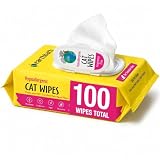
- GIVE YOUR PET THE ULTIMATE COAT – Clean and condition paws and fur with this plant-based wipe that removes dander, drool, discharge, and cling-ons with gentle, simple cleansing
- HEALTHY SHINE – Mild cleansers moisturize, deodorize, freshen, and clean as the exotic Hawaiian awapuhi conditions the coat and imparts a healthy shine for your cat and kitten over 6 weeks old
- SAFETY & EFFECTIVE – Our fragrance-free, hypoallergenic grooming wipes are thicker and softer than standard wipes, safe for use on all animals, and made from plant-based, FSC-certified materials
3. Prescription Shampoos or Sprays
If your cat has ongoing skin problems, your veterinarian may recommend a medicated shampoo, spray, or other topical treatment.
These products are designed for specific conditions, including dermatitis, certain fungal or bacterial infections, and some allergy-related skin problems.
Depending on the diagnosis, treatment may help:
- Control bacterial or fungal infections
- Reduce itching and inflammation
- Support the skin’s natural protective barrier
Important: Don’t choose a medicated product based on symptoms alone. Conditions such as ringworm and allergies can look similar but require different treatments.
4. Leave-In Conditioners for Cats
Cat-safe leave-in conditioners and detangling sprays can help keep the coat soft and manageable between baths.
Some formulas contain moisturizing ingredients such as aloe vera or soothing botanical extracts. These may be helpful for long-haired cats prone to tangles or those with dry coats.
However, leave-in products remain on the fur, where your cat may ingest small amounts while grooming. Choose a formula specifically labeled for cats and avoid essential oils or fragrances that could cause irritation.
When to Choose an Alternative Instead of a Bath
A full bath isn’t always the most practical or comfortable option, particularly when:
- Your cat fears water: A wipe or waterless product may be less stressful.
- There’s only a small mess: Spot-cleaning is often enough without washing the entire coat.
- Your cat is elderly or has mobility problems: Gentle cleaning can be easier than standing in a bathtub.
- Your cat is recovering from surgery: Ask your veterinarian which cleaning methods are safe, especially near an incision.
- The weather is cold: Cleaning a small area can help avoid unnecessarily soaking your cat’s coat.
Choose the least stressful method that gets the job done. For many cats, regular brushing and occasional spot-cleaning are enough to maintain a clean coat without frequent baths.
If your cat has persistent redness, sores, or itching, though, switching grooming methods isn’t a substitute for finding out what’s causing the problem. And if your cat becomes upset during cleaning, don’t feel obligated to finish everything at once. A short session that ends calmly can make the next grooming attempt easier.
Frequently Asked Questions
If your cat has sensitive skin, you might be wondering how often to bathe them, which products are safe, or whether shampoo will actually help. Here are answers to some common questions about keeping your cat clean without making skin irritation worse.
1. How Often Should I Bathe a Cat With Sensitive Skin?
Most cats don’t need regular baths, even if they have sensitive skin. Bathing too often can remove natural oils and make dryness or irritation worse.
If your cat needs occasional baths, once every 4–6 weeks may be appropriate in some cases, but there’s no fixed schedule that works for every cat. Follow your veterinarian’s advice if your cat has a diagnosed skin condition.
Between baths, gentle brushing, spot-cleaning with a damp cloth, or cat-safe grooming wipes may be enough to keep their coat clean.
2. Can I Use Human or Baby Shampoo on My Cat?
No, it’s best to avoid human shampoos, including baby shampoo. Even products marketed as gentle aren’t formulated specifically for feline skin.
Using the wrong shampoo can interfere with your cat’s skin barrier, potentially causing dryness or irritation. Choose a product made specifically for cats instead.
3. Are Hypoallergenic Shampoos Really Effective for Cats?
Hypoallergenic shampoos can be helpful for cats with sensitive skin, particularly when they avoid added fragrances, dyes, and potentially irritating cleansers.
However, hypoallergenic doesn’t mean a shampoo is guaranteed to prevent allergic reactions. Every cat is different, and some may still react to ingredients in an otherwise gentle formula.
These shampoos can help reduce exposure to certain irritants, but they won’t treat underlying problems such as flea allergies or skin infections.
4. What If My Cat Won’t Tolerate Baths at All?
If your cat panics, struggles, or becomes aggressive during bathing, don’t force them through it unless there’s a medical reason and your veterinarian has provided guidance.
Try gentler alternatives such as a damp cloth, cat-safe grooming wipes, or waterless shampoo. For a small mess, cleaning only the affected area is often enough.
If your cat needs regular bathing for a medical condition, ask your veterinarian or a professional cat groomer about safer ways to handle grooming.
It’s also worth remembering that one bad bathing experience can make future grooming more difficult. Taking things slowly and letting your cat become comfortable with being handled can be more helpful in the long run than trying to finish everything in one session.
5. What Causes Sensitive Skin in Cats in the First Place?
Skin irritation can develop for several reasons, and shampoo isn’t always the cause. Common possibilities include:
- Food allergies: Reactions to certain ingredients in your cat’s diet
- Fleas or mites: Parasites that can cause intense itching and inflammation
- Environmental allergies: Reactions to substances such as pollen, dust mites, or mold
- Grooming products: Shampoos or other products containing irritating ingredients
- Underlying skin conditions: Problems such as dermatitis or fungal infections
Because several conditions can cause similar symptoms, it’s important to identify what’s actually irritating your cat’s skin rather than repeatedly switching shampoos.
Your veterinarian can help determine the cause and recommend appropriate treatment, whether that involves topical medication, parasite control, dietary changes, or adjustments to your cat’s grooming routine.
If you’re trying to figure out what’s triggering the irritation, think about what changed before the symptoms appeared. A new shampoo, different food, or even a change in your cat’s environment may be worth mentioning to your veterinarian.
Final Thoughts: Choosing the Right Shampoo for Your Cat’s Sensitive Skin
If your cat has sensitive skin, start with a gentle, fragrance-free shampoo made specifically for cats. Look for a simple formula that cleans without drying out their skin, and avoid products containing potentially irritating fragrances or essential oils.
You don’t necessarily need the most expensive shampoo or one with a long list of soothing ingredients. What matters is finding something your cat tolerates well and only using it when bathing is actually necessary.
A few things I’d prioritize:
- Choose cat-safe ingredients: Look for mild, hypoallergenic formulas and avoid unnecessary fragrances or harsh cleansers.
- Keep bathing to a minimum: Most cats clean themselves well enough without regular baths. For small messes, try a damp cloth or cat-safe grooming wipe instead.
- Make grooming comfortable: Use lukewarm water, handle your cat gently, and stop if they’re becoming overly stressed.
- Watch for skin reactions: Pay attention to increased scratching, redness, or dryness after using a new product.
- Know when to involve your veterinarian: Persistent itching, sores, or hair loss may indicate an underlying condition that shampoo alone won’t fix.
If your cat has reacted to grooming products before, ask your veterinarian about trying a new shampoo on a small area before giving them a full bath.
My advice is to keep things simple. Don’t bathe your cat more often than necessary, and don’t assume that switching shampoos will solve every skin problem. Sometimes the best thing you can do is leave their coat alone, let them groom naturally, and step in only when they genuinely need help.
And remember that your cat doesn’t care whether their shampoo is expensive or leaves their coat smelling wonderful. If they’re comfortable, their skin looks healthy, and they’re grooming normally, that’s a much better sign you’re doing things right than how their fur smells after a bath.
Take Action: Soothe Your Cat’s Skin Today
Your cat deserves to feel comfortable in their own skin — literally. Don’t wait for flare-ups to get worse or for scratching to turn into sores. A gentle, skin-safe shampoo can make all the difference.
Start with our top pick:
Earthbath Oatmeal & Aloe Cat Shampoo – Fragrance-free, vet-recommended, and trusted by thousands of cat parents.
Other Top-Rated Options to Explore:
- Vet’s Best Waterless Cat Bath (Amazon) – No water required, great for anxious cats
- Burt’s Bees Hypoallergenic Shampoo for Cats (Amazon) – Gentle and budget-friendly
- Douxo S3 Calm Shampoo (Amazon) – Best medicated formula for allergic reactions
Want to Learn More? Explore These Guides:
- How to Bathe a Cat That Hates Water
- Top Grooming Products You Should Avoid for Cats
- Best Brushes for Cats With Sensitive Skin
Ready to make bath time a better experience for both of you? Choose a gentle shampoo, follow a calm grooming routine, and give your cat the comfort they deserve.
Disclaimer: The information provided on this site is for general informational purposes only. It is not intended as veterinary advice, diagnosis, or treatment. Always seek the guidance of a licensed veterinarian before making decisions about your pet’s health.
Results Disclaimer: Results may vary. Our recommendations are based on editorial research and do not guarantee specific outcomes.
Accuracy Notice: We strive to keep content accurate and up to date. However, always verify current information and consult a veterinarian for personalized guidance.

James Kim is the founder of SavingNineLives.com, a passion project dedicated to improving the lives of rescue cats through practical care tips, adoption guides, and heartfelt advocacy. Though not a veterinarian, James is a lifelong cat lover who collaborates with animal welfare volunteers, rescue shelters, and vet-reviewed sources to ensure accurate, trustworthy information. His mission is simple: to help cat parents make informed, compassionate decisions that support feline health and well-being.
When he’s not writing, James is busy fostering cats, volunteering at local shelters, and testing cat-friendly products to recommend only the best to readers. Every article on this site is carefully researched and reviewed to meet the highest standards for cat health content.
Experience: 10+ years of hands-on experience with rescue cats
Content Vetting: Collaborates with vet techs and rescue workers
Trust & Transparency: All products and advice are shared with affiliate disclosures and reader safety in mind
Follow James and the Saving Nine Lives journey as we help one rescue cat at a time.