
Best Calming Beds for Anxious Cats (2026 Guide)
Last Updated on January 1, 2026 by James Kim
Affiliate Disclosure:
This post may contain affiliate links. If you click through and make a purchase, I may earn a small commission at no extra cost to you. As an Amazon Associate I earn from qualifying purchases. I only recommend products I believe bring genuine value. Thank you for supporting this site.
Note: This article is for informational purposes only and is not a substitute for professional veterinary advice. Always consult your vet for your cat’s specific needs.
Just like humans, cats can suffer from anxiety—and it often goes unnoticed. Whether it’s due to a recent move, loud noises, separation from their owner, or even past trauma (as is often the case with rescue cats), feline anxiety can manifest in many subtle ways. Your cat might be hiding more than usual, avoiding interaction, or displaying signs of restlessness and stress. Fortunately, there are simple ways to help them feel more at ease—starting with where they sleep.
A calming cat bed is specially designed to provide anxious cats with a sense of safety, comfort, and security. These beds mimic the cozy, enclosed spaces that cats naturally seek out when they’re feeling overwhelmed. With soft materials, raised rims, and orthopedic support, calming beds can make a big difference in your cat’s ability to relax, sleep, and feel at home.
In this guide, we’ve researched and reviewed the best calming beds for anxious cats in 2026, so you can find the perfect fit for your furry friend. Whether you’re caring for a rescue cat, a senior feline, or simply a nervous kitty who needs extra reassurance, the right bed could be the first step toward a calmer, happier companion.
What Is a Calming Cat Bed?
A calming cat bed is more than just a cozy place for your feline to nap—it’s a thoughtfully designed sanctuary that helps reduce stress and anxiety. Unlike traditional cat beds, which may simply offer a soft surface, calming beds are engineered to tap into your cat’s natural instincts for safety, warmth, and enclosure.
Most calming beds feature:
- Raised rims or bolsters that create a protected nest-like environment, offering a sense of security.
- Soft faux fur or plush fabric that mimics the warmth and texture of a mother cat’s fur.
- Orthopedic or memory foam bases to support joints and promote restful sleep, especially beneficial for older or arthritic cats.
- Self-warming materials or hooded designs that retain heat, which can soothe nervous or cold-sensitive felines.
These features aren’t just comfort-focused—they address the underlying stress triggers many cats face, such as overstimulation, fear of loud environments, or changes in their routine. The right calming bed gives your cat a dedicated, familiar spot to decompress, which can reduce unwanted behaviors like hiding, excessive grooming, or vocalizing.
Signs Your Cat May Need a Calming Bed
Cats are masters at hiding discomfort, which makes it tricky to recognize when they’re feeling anxious or stressed. However, there are several behavioral and physical signs that may indicate your cat could benefit from a calming bed:
1. Hiding More Than Usual
If your cat frequently retreats under beds, behind furniture, or into closets, it could be a sign they’re seeking safety. A calming bed offers a secure alternative that meets this instinctive need in a healthier, more accessible way.
2. Excessive Grooming or Licking
Over-grooming—especially to the point of bald patches or irritated skin—is a classic sign of feline anxiety. It’s a self-soothing behavior that may be reduced when your cat feels more relaxed in a safe, designated space.
3. Startling Easily or Acting Skittish
Do loud noises or sudden movements send your cat running? Nervous or jumpy cats often benefit from a bed that muffles external stimulation and provides a snug refuge.
4. Aggression or Irritability
Stress can cause a typically calm cat to become irritable or even aggressive. Giving them a calming bed where they can retreat and decompress helps reduce overstimulation that might lead to these behaviors.
5. Sleep Disruptions
Anxious cats often have irregular sleep patterns or sleep in unusual places. A calming bed encourages longer, deeper sleep by making your cat feel secure and comfortable.
6. Recent Changes in Environment
A move, new pet, new baby, or even furniture rearrangement can trigger stress in cats. A calming bed can ease the transition by offering consistency and familiarity amid the changes.
If your cat is showing one or more of these behaviors, a calming bed might not just be a luxury—it could be an important tool for emotional and physical well-being.
Benefits of Calming Beds for Cats
Investing in a calming bed isn’t just about pampering your cat—it’s a strategic way to support their mental health, reduce stress, and improve their overall quality of life. These beds offer a variety of practical and psychological benefits, especially for anxious or high-strung felines.
1. Reduces Stress and Anxiety
The main purpose of a calming cat bed is to soothe anxiety. The enclosed, nest-like structure offers a safe zone where your cat can feel protected from perceived threats, loud noises, or disruptions in their environment. This alone can significantly lower cortisol levels and reduce stress-driven behaviors.
2. Encourages Better Sleep
Sleep is crucial to a cat’s physical and emotional health. Calming beds often feature orthopedic or memory foam materials that support joints, relieve pressure, and help older cats or those with arthritis sleep more soundly. The result? A better-rested and less irritable cat.
3. Provides a Dedicated Safe Space
Cats crave territory. A calming bed gives your cat a consistent, comforting area that is entirely their own. This can be especially beneficial in busy homes, multi-pet households, or situations where your cat might otherwise feel overwhelmed.
4. Eases Transitions and Routine Disruptions
Whether you’re moving, traveling, introducing a new pet, or rearranging furniture, cats are sensitive to change. A familiar calming bed helps anchor them and reduce anxiety during transitions by offering stability and routine.
5. Can Reduce Undesirable Behaviors
Scratching furniture, inappropriate urination, aggression, and excessive meowing can all be signs of stress. While a calming bed isn’t a cure-all, giving your cat a place to decompress can reduce the frequency and intensity of these behaviors.
6. Supports Senior and Special-Needs Cats
Older cats and those with medical issues often feel more vulnerable. A supportive, calming bed can help alleviate joint pain and give them a soothing retreat, which in turn helps prevent physical strain and emotional agitation.
Features to Look For in a Calming Cat Bed
Not all cat beds are created equal—especially when your goal is to calm an anxious feline. To truly ease your cat’s stress and provide long-lasting comfort, you’ll want to choose a calming bed that checks the right boxes in terms of design, materials, and functionality.
1. Raised Rims or Bolsters
Raised edges help simulate the sensation of being surrounded and protected—something cats instinctively seek out when they feel vulnerable. These rims also give your cat a place to rest their head or curl up snugly for a sense of enclosure.
2. Soft, Faux Fur or Plush Fabric
The most effective calming beds mimic the feel of a mother cat’s fur. Look for faux fur, microfiber, or ultra-soft fleece interiors, which create a warm and soothing surface that encourages relaxation and sleep.
3. Orthopedic or Memory Foam Support
For older cats or those with arthritis or joint discomfort, orthopedic foam can offer essential support. Even younger cats benefit from beds that promote spinal alignment and reduce pressure points.
4. Non-Slip Base
A non-slip or anti-skid bottom is a must if you plan to place the bed on hardwood floors, tiles, or any smooth surface. It keeps the bed securely in place—especially helpful for skittish cats that might jump in and out quickly.
5. Washable and Durable Materials
Hygiene matters. Cats are clean creatures, and beds can quickly collect fur, dander, and even accidents. Choose a calming bed with a removable, machine-washable cover (or one that’s entirely washable) for easy maintenance.
6. Appropriate Size
Size matters, but bigger isn’t always better. Cats love tight, enclosed spaces. Choose a bed that’s just large enough for your cat to curl up in without feeling too exposed. Consider sizing up only if you have multiple cats that like to snuggle.
7. Hooded or Covered Design (Optional)
Some anxious cats feel safest in a fully enclosed space. A hooded calming bed or cat cave provides extra privacy, especially useful for cats that frequently hide or sleep under furniture.
8. Hypoallergenic and Toxin-Free
Since your cat will be spending a lot of time in this bed, materials should be free of harmful dyes, glues, or synthetic chemicals. Hypoallergenic beds are especially beneficial for cats with allergies or sensitivities.
Best Calming Beds for Anxious Cats (Top Picks in 2026)
To save you the guesswork, we’ve reviewed and hand-picked the best calming cat beds available this year. These beds were selected based on comfort, durability, value, user reviews, and suitability for anxious or stressed cats.
1. Best Overall: Best Friends by Sheri The Original Calming Donut Cat Bed
Sizes: Small–X-Large | Machine Washable
This viral favorite continues to top the list in 2026 for a reason. With its soft vegan faux shag fur, raised edges, and deep crevices, this donut-style bed mimics the warmth and safety of a mother cat. It’s ideal for curling up, reducing anxiety, and promoting deeper sleep.
Pros:
- Luxuriously soft and supportive
- Great for cats under 25 lbs
- Fully machine washable
Cons:
- Can flatten over time without fluffing
- May be too warm for long-haired cats in summer

- Donut Dog Bed: Calming, deep, round shape gives pets a sense of security for cozy, restful naps
- Perfect Size: Small (23″ x 23″) with a 17″ sleeping surface, roomy enough for cats and small dogs up to 25 lbs
- Soft & Plush: Shag faux fur keeps pets snuggly warm for dreamy, peaceful sleep and blends beautifully with any décor
2. Best for Senior Cats: Furhaven Round Orthopedic Cat Bed
Sizes: Small–Medium | Orthopedic Foam Base
Perfect for older or arthritic cats, this bed features an orthopedic foam base and ultra-plush faux fur lining. The bolstered rim offers neck and joint support, while the low opening makes it easy to step in and out.
Pros:
- Great support for joints
- Low entrance for easy access
- Washable cover
Cons:
- Not as enclosed as cave-style beds
- Foam may have an initial odor when unpackaged
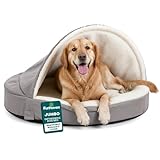
- Give Your Pet Deep, Restful Sleep: Our orthopedic dog bed is engineered to deliver true joint relief for large and senior dogs up to 80 lbs. By cushioning pressure points and improving circulation, the orthopedic egg crate with a solid orthopedic foam base promotes a more restorative sleep, so your best friend wakes up happy and refreshed.
- A Perfect Fit For Every Sleep Style: Don’t settle for a rigid, one-size-fits-all bed. Our round Snuggery is designed for your pet’s unique habits, creating a calming dog bed space measuring 44″D x 3″H. We crafted the soft attached blanket hood to provide a secure, covered retreat for “burrowers”.
- Wash It, Dry It, Done: A dirty pet bed can fill your home with odors and allergens. Our XL washable dog bed makes cleanup effortless. The zippered, removable cover is fully machine washable, allowing you to easily lift away shed fur and dander for a truly hygienic sleep space.
3. Best Budget Option: Amazon Basics Calming Pet Bed
Sizes: XS–M | Affordable & Simple
For those seeking a reliable option without the price tag, the Amazon Basics Calming Bed offers comfort, security, and softness at a fraction of the cost. It’s perfect for kittens, small adults, or fostering situations.
Pros:
- Extremely budget-friendly
- Soft and comfortable faux fleece
- Easy to clean
Cons:
- Not orthopedic
- Lighter build may shift on slick floors

- SOFT AND COMFORTABLE: Made with plush fabric and high-loft polyester fill, this calming bed offers comfort and warmth, perfect for furry friends who love to curl up. This product contains 100% GRS certified recycled post-consumer Polyester
- MACHINE WASHABLE AND EASY CARE: Designed for hassle-free maintenance, this washable bed can be tossed in the washing machine to keep it hygienic
- NON-SLIP AND SECURE: Featuring a grip-textured bottom, this bed stays firmly in place on tile, wood, or carpet for safety
4. Best for Travel: K&H Pet Products Self-Warming Lounge Sleeper
Size: One Size | Self-Warming & Lightweight
This self-warming bed is great for anxious cats on the move. The heat-reflective layer provides natural warmth without electricity, which is especially comforting in unfamiliar environments like hotel rooms or new homes.
Pros:
- Self-warming design
- Lightweight and portable
- No electricity needed
Cons:
- Less plush than traditional calming beds
- Limited size availability

- WARMTH: Plush self-warming pet bed for dogs and cats
- TECHNOLOGY: Made with the same technology as “space blankets” self-warming mylar
- BODY HEAT: Warming dog bed effectively retains and reflects your pet’s body heat
5. Best Covered/Enclosed Bed: MEOWFIA Premium Felt Cat Cave
Handmade Wool | Modern & Enclosed
For cats that love to burrow or hide, this stylish felted wool cave offers privacy and calm. Made from 100% Merino wool, it’s eco-friendly, breathable, and designed to regulate temperature—cool in summer, warm in winter.
Pros:
- Great for shy or fearful cats
- Minimalist design fits any home
- Naturally odor-resistant and easy to maintain
Cons:
- Not ideal for cats who prefer open beds
- Premium price
No products found.
How to Introduce a Calming Bed to Your Cat
Even the coziest, most highly rated calming bed won’t help if your cat refuses to use it. Cats are creatures of habit, and new items—especially large, fluffy ones—can trigger suspicion. Here’s how to ease your cat into loving their new calming bed:
1. Choose the Right Location
Placement matters. Set the bed up in a quiet, familiar area where your cat already feels somewhat comfortable. Avoid high-traffic areas or places near noisy appliances. A sunny corner, near a window, or beside your bed can be ideal.
2. Don’t Force It
Let your cat discover the bed on their own. Trying to place them in it before they’re ready may backfire. Most cats will sniff around, paw at it, or even ignore it for a day or two before finally curling up inside.
3. Use Scent to Create Familiarity
Cats rely heavily on scent. Rubbing a blanket or towel your cat already sleeps on inside the new bed can help. You can also use a piece of your clothing—especially if your cat is bonded to you—to make the space more inviting.
4. Sprinkle a Bit of Catnip or Treats
A light sprinkle of catnip (or silvervine if your cat prefers it) can attract them to investigate. Alternatively, place a few favorite treats or toys inside the bed to associate it with good things.
5. Be Patient
It can take a few days—or even a week—for your cat to fully accept a new bed, especially if they’re anxious or shy. Resist the urge to move the bed around too much during this period. Consistency and familiarity are key.
6. Reinforce Positive Behavior
When your cat shows interest in or lies in the bed, offer calm praise or a treat to reinforce the behavior. This creates a positive association with the space.
With patience and the right approach, most cats will come to love their calming bed—often choosing it over any other nap spot in the house.
Other Ways to Support an Anxious Cat
While a calming bed can do wonders for a stressed-out cat, it’s just one piece of the puzzle. To truly help your feline relax and thrive, consider a more holistic approach to anxiety relief. Here are several other effective strategies to support your anxious cat:
1. Use Pheromone Diffusers or Sprays
Synthetic feline facial pheromones (like Feliway) mimic the natural calming signals cats leave when they rub their faces on furniture or you. Diffusers can help create a peaceful environment and are especially useful during transitions or high-stress periods.
2. Establish a Predictable Routine
Cats feel safest when they know what to expect. Try to feed, play with, and interact with your cat at consistent times each day. Sudden changes in schedule can elevate stress, so consistency is key.
3. Offer Plenty of Vertical Territory
Install cat shelves, window perches, or tall scratching posts. Climbing and surveying their territory from above helps anxious cats feel more secure and in control of their environment.
4. Provide Hideouts and Safe Zones
In addition to a calming bed, offer enclosed spaces like cardboard boxes, covered beds, or cat tunnels. Anxious cats often need multiple “escape zones” where they can retreat and decompress.
5. Engage in Daily Play Sessions
Play relieves stress by allowing cats to release built-up energy and engage in natural hunting behaviors. Use interactive toys like feather wands or laser pointers for 5–10 minutes a few times a day.
6. Use Calming Supplements (With Vet Approval)
Natural calming aids—like L-theanine, CBD for cats, or tryptophan-based chews—may help reduce anxiety. Always consult your veterinarian before introducing supplements.
7. Minimize Loud Noises and Sudden Disruptions
Keep your cat away from loud music, vacuum cleaners, or bustling areas during events. Create quiet zones during fireworks, parties, or when guests are visiting.
8. Consider Behavioral Support or a Vet Visit
If your cat’s anxiety is severe, persistent, or worsening, it may be time to consult a feline behaviorist or your vet. Underlying medical conditions, trauma, or neurological issues could be contributing.
With a combination of environmental changes, emotional support, and the right calming products, even the most anxious cat can learn to feel safe and secure.
FAQs About Calming Cat Beds
When it comes to helping your cat feel safe and relaxed, calming beds raise a lot of questions—especially for first-time users. Below are some frequently asked questions to help you make the most informed decision for your feline friend.
1. Do calming cat beds actually work?
Yes—many cat owners report noticeable improvements in their cat’s behavior, sleep quality, and overall comfort after introducing a calming bed. While results vary by individual cat, the enclosed shape, plush texture, and warmth of these beds align with natural feline instincts, making them effective in many cases.
2. Are calming beds safe for kittens?
Absolutely. Calming beds are typically made with soft, non-toxic materials that are safe for kittens. Just be sure to choose a size that allows the kitten to feel snug without being overwhelmed. Some beds even come in smaller sizes designed specifically for young or petite cats.
3. How do I clean a calming cat bed?
Most calming beds are machine washable or have removable covers. Always check the care label before washing. Use a gentle cycle with mild, fragrance-free detergent and allow the bed to air-dry or tumble dry on low if permitted. Regular cleaning is especially important for anxious cats who are sensitive to smells.
4. Are heated beds better for anxious cats?
Some anxious cats benefit from gentle warmth, especially those who are older, underweight, or dealing with arthritis. Self-warming or low-voltage heated cat beds can be a good option, particularly in cooler climates. However, ensure the bed doesn’t get too hot, and always follow safety instructions.
5. What if my cat won’t use the calming bed?
It’s common for cats to take a few days to warm up to a new bed. Try placing the bed in a quiet, familiar spot, adding your cat’s favorite blanket or toy, or sprinkling a little catnip inside. Be patient and avoid forcing your cat to use it—curiosity often wins out over time.
6. Can I use a calming bed in a multi-cat household?
Yes, but it’s best to provide one calming bed per cat if possible. Cats are territorial and may not want to share a sleeping space, especially if they’re anxious. Offering multiple beds gives each cat a personal retreat.
Final Thoughts
Anxious cats often suffer in silence—but you don’t have to feel powerless. Something as simple as the right calming bed can be a game-changer for your feline companion’s comfort, behavior, and emotional well-being. These beds provide more than just a cozy nap spot—they offer a safe haven where your cat can feel secure, calm, and in control of their environment.
Whether your cat is a nervous rescue, a senior dealing with age-related stress, or just naturally high-strung, investing in a well-made calming bed is one of the easiest and most effective ways to support their mental health. Combined with a calming routine, consistent environment, and other anxiety-reducing strategies, a calming bed can help your cat feel more at home—both in your house and in their own fur.
If you’re ready to make a difference in your cat’s quality of life, choose one of the top-rated calming beds we’ve reviewed above. Your cat may not be able to thank you in words—but their relaxed purrs, deeper sleep, and calm demeanor will say it all.
Take the First Step Toward a Calmer Cat Today
Ready to help your cat feel safer, happier, and more at peace? Choosing the right calming bed can make all the difference—whether you’re easing separation anxiety, helping a rescue cat adjust, or just improving daily comfort.
Explore our top calming bed picks above and choose the one that best fits your cat’s needs.
For more ways to reduce stress and improve your cat’s behavior, check out:
- How to Help a Rescue Cat Adjust to a New Home
- Signs Your Cat Is Stressed (And What to Do About It)
- Top Cat Toys That Reduce Anxiety and Boost Confidence
Want to dig deeper into feline anxiety? Visit trusted veterinary sources for expert guidance:
Disclaimer: The information provided on this site is for general informational purposes only. It is not intended as veterinary advice, diagnosis, or treatment. Always seek the guidance of a licensed veterinarian before making decisions about your pet’s health.
Results Disclaimer: Results may vary. Our recommendations are based on editorial research and do not guarantee specific outcomes.
Accuracy Notice: We strive to keep content accurate and up to date. However, always verify current information and consult a veterinarian for personalized guidance.

James Kim is the founder of SavingNineLives.com, a passion project dedicated to improving the lives of rescue cats through practical care tips, adoption guides, and heartfelt advocacy. Though not a veterinarian, James is a lifelong cat lover who collaborates with animal welfare volunteers, rescue shelters, and vet-reviewed sources to ensure accurate, trustworthy information. His mission is simple: to help cat parents make informed, compassionate decisions that support feline health and well-being.
When he’s not writing, James is busy fostering cats, volunteering at local shelters, and testing cat-friendly products to recommend only the best to readers. Every article on this site is carefully researched and reviewed to meet the highest standards for cat health content.
Experience: 10+ years of hands-on experience with rescue cats
Content Vetting: Collaborates with vet techs and rescue workers
Trust & Transparency: All products and advice are shared with affiliate disclosures and reader safety in mind
Follow James and the Saving Nine Lives journey as we help one rescue cat at a time.