
Best Air Purifiers for Homes With Cats: A Clean-Air Buying Guide for Pet Parents
Last Updated on August 4, 2025 by James Kim
Affiliate Disclosure:
This post may contain affiliate links. If you click through and make a purchase, I may earn a small commission at no extra cost to you. As an Amazon Associate I earn from qualifying purchases. I only recommend products I believe bring genuine value. Thank you for supporting this site.
Note: This article is for informational purposes only and is not a substitute for professional veterinary advice. Always consult your vet for your cat’s specific needs.
Why Cat Owners Need Air Purifiers
Living with cats brings joy, companionship, and the occasional headbutt of affection—but it also brings fur, dander, and persistent litter box odors. While we love our feline friends dearly, the reality is that cats can significantly impact the air quality inside our homes. Whether it’s floating furballs, microscopic allergens, or that unmistakable smell from the litter box, these airborne irritants can make breathing less comfortable—not just for humans, but for the cats themselves too.
This is where a high-quality air purifier becomes a game-changer. Designed to filter out pet dander, trap hair, neutralize odors, and reduce allergens, an air purifier can transform your indoor environment into a cleaner, healthier space. It’s especially beneficial for those with allergies or asthma, as well as multi-cat households where odors and fur accumulate more quickly.
But not all air purifiers are created equal—especially when it comes to homes with pets. That’s why we’ve created this in-depth guide to the best air purifiers for cat owners, highlighting what to look for, how to use them effectively, and which models truly stand out. Whether you’re battling litter box smells or simply want to breathe easier around your furry companions, this guide will help you find the perfect solution for your space.
Key Features to Look for in a Cat-Friendly Air Purifier
Choosing the right air purifier for a home with cats isn’t just about cleaner air—it’s about ensuring the unit is tailored to the unique challenges pets bring. From fur and dander to litter box odors and potential allergens, here are the essential features to prioritize when shopping for a purifier that works well in a feline-filled home:
True HEPA Filtration
A True HEPA filter is a must-have. It captures up to 99.97% of particles as small as 0.3 microns—including cat dander, pollen, and even some bacteria. Since cat dander is one of the most common pet allergens, a HEPA filter dramatically reduces airborne triggers for allergy sufferers.
Activated Carbon Filter for Odor Control
Litter box smells, pet accidents, and even your cat’s food can create lingering odors. A purifier with an activated carbon filter neutralizes these smells, helping your home stay fresh and odor-free without relying on synthetic air fresheners.
Pre-Filter for Hair and Larger Particles
Cat hair can quickly clog filters, especially in shedding seasons. Look for purifiers with a washable pre-filter, which captures fur and dust before it reaches the main filter—this extends the life of the HEPA filter and improves efficiency.
Quiet Operation
Cats are sensitive to sound, and a noisy air purifier may stress them out or discourage them from using certain rooms. Opt for models with a low decibel rating or a sleep mode that ensures quiet operation, especially if placing the unit in your bedroom or near the litter area.
Filter Replacement Indicator
Busy pet parents don’t always remember when it’s time to replace the filter. A filter change indicator provides a helpful reminder, ensuring your unit keeps performing optimally and isn’t just blowing dirty air around.
Ozone-Free or Pet-Safe Technology
Be cautious with air purifiers that use ionizers or UV light. Some release trace amounts of ozone, which can be harmful to both pets and people if inhaled in high quantities. If you choose a unit with these features, ensure it’s certified ozone-safe or has the option to disable the ionizer.
Room Size Compatibility
Match the air purifier’s CADR (Clean Air Delivery Rate) and square footage coverage with your intended room size. If you have multiple cats or a particularly dusty environment, a more powerful unit may be necessary even for small rooms.
Benefits of Using an Air Purifier in a Home With Cats
Adding an air purifier to your living space isn’t just a luxury—it can make a noticeable difference in the health and comfort of both you and your feline companions. Cats are clean animals, but they still shed hair, produce dander, and contribute to indoor air pollution in ways that aren’t always visible. Here’s how a cat-specific air purifier can improve your home environment:
Reduces Pet Allergens
Even if you’re not allergic to cats, many visitors or family members might be. Cat dander, saliva, and microscopic skin flakes can float through the air and trigger allergy or asthma symptoms. A True HEPA air purifier effectively traps these allergens before they can be inhaled, creating a safer breathing space for everyone.
Neutralizes Litter Box Odors
Let’s face it: even the cleanest litter box can produce an occasional stink. Activated carbon filters in air purifiers absorb odors at the molecular level, helping to eliminate the smell of ammonia, feces, and mustiness from the litter area—without needing to constantly spray air fresheners.
Controls Shedding and Airborne Fur
Cats shed more than most people realize—especially during seasonal changes. While vacuuming helps, it doesn’t catch everything floating through the air. An air purifier with a pre-filter can trap pet hair and dust before it settles, reducing cleaning time and improving indoor air quality.
Helps With Respiratory Health
Both cats and humans can benefit from cleaner air. Cats with conditions like asthma, bronchitis, or chronic sneezing may experience fewer flare-ups in an environment free from irritants like dust, smoke, and synthetic fragrances. Cleaner air may also support stronger immune function and better sleep.
Enhances Overall Home Freshness
Even if you’re used to the “pet smell,” your guests aren’t. Air purifiers maintain a neutral scent in your home by continuously filtering and refreshing the air, making your space more inviting and hygienic—especially if you have multiple cats or a small apartment.
Complements Regular Cleaning
Air purifiers don’t replace litter box scooping or grooming, but they work in tandem with good cat care. When combined with regular vacuuming, brushing, and filter changes, they form a powerful defense against allergens, dust, and unpleasant odors.
Top Picks: Best Air Purifiers for Cat Owners
Finding the right air purifier for your home with cats depends on your space, budget, and sensitivity to allergens and odors. Below are our top recommended air purifiers tailored specifically for feline households—each with a balance of performance, affordability, and pet-friendly features.
Levoit Core 400S – Best Overall for Cat Owners
Why It’s Great for Cats:
This model combines a True HEPA filter, activated carbon filter, and smart features like app control and scheduling. It’s whisper-quiet on sleep mode and covers medium to large rooms with ease.
- Coverage: Up to 403 sq. ft.
- Noise Level: 24–52 dB
- Smart Features: Wi-Fi enabled, voice control via Alexa & Google
- Bonus: Ozone-free and 100% safe for cats

- 𝐆𝐄𝐍𝐔𝐈𝐍𝐄 𝐑𝐄𝐏𝐋𝐀𝐂𝐄𝐌𝐄𝐍𝐓 𝐅𝐈𝐋𝐓𝐄𝐑: Designed for Core 400S-P air purifiers to maintain peak performance. Use genuine filters for premium quality and longer lifespan.
- 𝐇𝐄𝐏𝐀-𝐆𝐑𝐀𝐃𝐄 𝐏𝐄𝐑𝐅𝐎𝐑𝐌𝐀𝐍𝐂𝐄 𝐈𝐍 𝐒𝐋𝐄𝐄𝐏 𝐌𝐎𝐃𝐄: Helps Levoit Core 400S-P achieve HEPA* filtration efficiency during Sleep Mode. Zero ozone emissions and ultra-quiet operation (≤26dB) in Sleep Mode. *Tested with IEST RP C001.7 by independent lab
- 𝟑-𝐒𝐓𝐀𝐆𝐄 𝐅𝐈𝐋𝐓𝐑𝐀𝐓𝐈𝐎𝐍 𝐒𝐘𝐒𝐓𝐄𝐌: Pre-filter traps hairs, dust, and large particles. Main filter removes 99.97% of ultrafine particles down to 0.3 μm. High-density activated carbon filter effectively reduces gases and odors.
Blueair Blue Pure 211+ – Best for Large Rooms
Why It’s Great for Cats:
Ideal for open floor plans or multi-cat households, this purifier uses HEPASilent technology and includes a washable fabric pre-filter that captures cat fur and dust.
- Coverage: Up to 540 sq. ft.
- Noise Level: 31–56 dB
- Design Perk: Comes in multiple colors to match your decor
- Bonus: Energy Star certified, low operating cost

- Powerful Air Purification for Large Rooms: The Blue Pure 211i Max cleans large living rooms, open floor plans, apartments, and shared spaces up to 674 sq ft in12.5 minutes 3,235 sq ft in one hour, delivering powerful airflow to keep indoor air fresh throughout your home.*
- Removes Dust, Smoke, Pet Dander & Allergens: Blueair’s HEPASilent dual filtration technology captures airborne particles such as dust, pollen, wildfire smoke, pet hair, pet dander, and mold particles, helping improve indoor air quality.
- Smart Air Purifier with App Control: Built-in air quality sensors automatically adjust fan speed when pollution levels rise. Use the Blueair mobile app to monitor air quality, control settings, and track filter life from anywhere.
Winix 5500-2 – Best for Odor Control
Why It’s Great for Cats:
Equipped with a true HEPA filter, carbon filter, and PlasmaWave technology, it neutralizes odors from litter boxes, food bowls, and more—without producing ozone.
- Coverage: Up to 360 sq. ft.
- Noise Level: 27–54 dB
- Bonus: Smart sensors adjust fan speed based on air quality
- Note: PlasmaWave can be turned off for extra safety

- 𝐀𝐇𝐀𝐌 𝐕𝐞𝐫𝐢𝐟𝐢𝐝𝐞 𝐚𝐭 𝟑92 𝐬𝐪 𝐟𝐭.: Also cleans rooms up to 1,882 sq ft in 1 hour (941 sq ft in 30 minutes, 627 sq ft in 20 minutes, 470 sq ft in 15 minutes)
- 𝐖𝐢𝐧𝐢𝐱 𝐓𝐫𝐮𝐞 𝐇𝐄𝐏𝐀: Captures 99.99%* of airborne allergens including pollen, dust, smoke, and pet dander, as small as 0.01 microns
- 𝐀𝐝𝐯𝐚𝐧𝐜𝐞𝐝 𝐎𝐝𝐨𝐫 𝐂𝐨𝐧𝐭𝐫𝐨𝐥 𝐂𝐚𝐫𝐛𝐨𝐧 𝐅𝐢𝐥𝐭𝐞𝐫: Reduces VOCs and household odors from cooking, pets, and smoke. It is designed to catch airborne particles found indoors, which also helps prolong the True HEPA Filter life
GermGuardian AC4825E – Best Budget Pick
Why It’s Great for Cats:
A compact and affordable purifier for smaller spaces like bedrooms or litter box areas. Features a 3-stage filter system with UV-C light and carbon for basic odor control.
- Coverage: Up to 167 sq. ft.
- Noise Level: 40–55 dB
- Design Perk: Slim vertical profile fits in tight spaces
- Bonus: Lightweight and easy to move around

- AIR PURIFIER FOR HOME: Circulates and filters air in a small bedroom (153 sq. ft.) every 12.5 minutes and large spaces (743 sq. ft.) every hour. The activated carbon filter reduces scents from cooking and pets, perfect for spring cleaning and renovations.
- CUTTING-EDGE HEPA FILTRATION: Leave allergy symptoms at the door. Our HEPA PURE filter captures 99.97% of allergens* as small as 0.1 microns**, trapping dust, pollen, and pet dander. The optional UV-C light further helps reduce airborne particles.
- YOUR AIR OF CONFIDENCE: Enjoy cleaner air, without ever thinking about it. Three speeds include a quiet sleep mode for restful nights. Replace with GermGuardian HEPA Filters B and bulbs for certified fit and performance.
Alen BreatheSmart 75i – Best Premium Option
Why It’s Great for Cats:
If you’re ready to invest, this high-end model offers ultra-quiet performance, customizable filters, and automatic air quality monitoring. Perfect for allergy-prone households with multiple cats.
- Coverage: Up to 1,300 sq. ft.
- Noise Level: As low as 25 dB
- Bonus: Lifetime warranty, sleek minimalist design
- Smart Features: Auto mode, filter change alerts, sleep mode
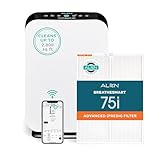
- HEPA FRESH FILTER: The Fresh filter uses activated carbon to mitigate household odors, dust. Ideal for cooking smells, home renovations, and urban pollution. Perfect for open living spaces.
- Powerful Air Purification: The Alen BreatheSmart 75i is essential for large spaces up to 2800 sq ft. High-efficiency fan handles toughest contaminants, making it ideal for your home ensuring clean, fresh air throughout your space.
- Engineered to Perform: Alen air purifiers offer superior performance through the combination of a powerful fan, quiet motor, and advanced filtration. Medical-grade filters capture particles as small as 0.1 micron.
Placement Tips: Where to Put an Air Purifier in a Cat Household
Choosing the right air purifier is only half the battle—strategic placement is just as important to get the most out of your investment. In a home with cats, consider both airflow efficiency and pet behavior when deciding where to set up your unit. Here’s how to do it right:
Near Litter Boxes (But Not Too Close)
If you’re trying to manage cat litter odors, place your air purifier a few feet away from the litter box—not directly beside it. This allows the purifier to circulate air effectively without getting clogged by concentrated dust or debris. Avoid placing it too close where the unit might suck in clumps of litter or fur.
In High-Traffic Areas or Living Rooms
Your cat likely lounges where you do, and so does their dander. Place the purifier in common areas like the living room to capture airborne allergens, fur, and dust stirred up by movement. Position it in an open space (not behind furniture) for optimal circulation.
In Bedrooms for Allergy Relief at Night
If you’re allergic to cat dander but sleep with your pet, keeping a purifier in your bedroom can drastically improve sleep quality. Choose a model with quiet or night mode to avoid disturbing you or your cat’s rest.
In Multi-Cat Rooms or Play Areas
If you have multiple cats sharing a room, fur and dander levels are naturally higher. Placing an air purifier in their playroom, sunroom, or favorite nap spot helps reduce allergens at the source. Make sure the purifier is powerful enough to handle the square footage.
Elevated or Protected Locations
Cats are curious by nature—and may see your purifier as a toy, obstacle, or scratching post. Place the unit on a raised stand (if stable), a low table, or in a corner where it’s less accessible to paws and claws, while still allowing open airflow.
Avoid Tight Spaces or Wall Blockage
Don’t shove your purifier into a corner, behind a couch, or under furniture. This restricts airflow and dramatically reduces efficiency. Give the unit at least 1-2 feet of clearance on all sides when possible.
Maintenance Tips for Pet Households
In homes with cats, air purifiers work overtime—trapping fur, dander, and odors daily. To keep your unit running at peak performance (and your air truly clean), proper maintenance is essential. Here’s what cat parents should keep in mind:
Clean or Replace Filters More Frequently
Cat households naturally have more airborne debris. Check your filters every 30–60 days—especially if your unit includes a pre-filter for fur. HEPA filters typically last 6–12 months, but in multi-cat homes or during shedding season, you may need to replace them sooner than the manufacturer suggests.
Tip: Choose purifiers with filter replacement indicators to avoid guessing when it’s time to swap.
Vacuum Around the Purifier Regularly
Even the best filters can’t work well if the purifier is surrounded by dust bunnies. Use a vacuum to clear fur and dust from the unit’s intake vents, outer casing, and surrounding floor area. This keeps airflow unobstructed and extends the lifespan of internal components.
Wipe Down Pet-Accessible Surfaces
Cats may brush against or nap near your purifier, especially if it emits warm air. Use a soft, dry cloth to wipe down control panels and air grilles weekly. Avoid using water or chemical cleaners, which may damage sensitive electronics.
Wash Pre-Filters When Applicable
Some air purifiers come with a washable pre-filter, which captures fur and larger debris before it clogs the main filter. Rinse it under cold water or vacuum it clean—depending on the brand’s instructions—every 2–4 weeks to maintain airflow and maximize efficiency.
Keep Unit Away From Litter Scatter and Water Bowls
Litter dust, pellets, and spilled water can clog or damage your air purifier. Always place it several feet away from the litter area and your cat’s water/food bowls to avoid sucking in debris or moisture.
Run It Consistently
Air purifiers are most effective when used continuously, especially in pet homes. Run your unit on auto mode or low speed 24/7 to maintain consistent air quality, instead of turning it on only when odors or allergies flare up.
Frequently Asked Questions
If you’re new to using air purifiers in a home with cats, you’re not alone. Below are some of the most common questions pet parents ask before making the investment—along with clear, trustworthy answers.
Do air purifiers really help with cat allergies?
Yes. Air purifiers with True HEPA filters are highly effective at capturing airborne cat allergens like dander, hair, and saliva particles. This can significantly reduce allergy symptoms in sensitive individuals and improve overall air quality for everyone in the home.
Can air purifiers eliminate cat litter box odors?
They can help a lot. Look for purifiers with activated carbon filters, which absorb smells from litter boxes, urine, and feces. For best results, place the unit near—but not directly next to—the litter area, and maintain the litter box with regular cleaning.
Are ionizers or UV-C lights safe for cats?
Some purifiers use ionizers or UV-C lights to enhance filtration. However, ionizers can emit ozone, which may be harmful to pets and people with respiratory issues. Always choose ozone-free or CARB-certified models, or ensure you can disable those features.
How often should I run my air purifier if I have cats?
For best results, run your air purifier continuously—especially in homes with multiple cats or during heavy shedding periods. Most modern units are energy-efficient and can safely operate 24/7 in auto mode or on a low setting.
Can an air purifier help reduce cat hair around the house?
While it won’t replace vacuuming or grooming, an air purifier with a pre-filter can help trap loose fur floating in the air before it settles on furniture and floors. This supports a cleaner home and reduces buildup between cleanings.
Will my cat be bothered by the air purifier?
Most cats quickly adapt to the presence of an air purifier, especially if it’s quiet and unobtrusive. If your cat is sound-sensitive, opt for models with “sleep mode” or low-decibel operation (under 30 dB is ideal).
Final Thoughts: Breathe Easier With Cats at Home
Sharing your home with cats shouldn’t mean living with constant sneezing, lingering litter box smells, or floating fur. The right air purifier can make a world of difference—not just in how your home smells, but in how it feels to live in. Whether you’re a long-time cat parent or recently welcomed a rescue, investing in an air purifier helps create a cleaner, healthier, and more comfortable space for everyone under your roof.
Each model we’ve reviewed offers something unique—from budget-friendly options to premium air-cleaning powerhouses—but all share one important trait: they’re designed to tackle the challenges of pet hair, dander, and odor head-on.
Recap: What to Look For in an Air Purifier for Cat Owners
- True HEPA filter for dander and allergens
- Activated carbon for odor elimination
- Quiet operation for sensitive cats
- Filter indicator + easy maintenance
- Ozone-free tech for pet safety
Breathe Easy—For You and Your Cat
Pet dander, litter dust, allergens, and airborne odors can silently affect your cat’s respiratory health. The right air purifier doesn’t just freshen the air—it helps create a healthier home for your feline family.
Choose a purifier that works for both clean air and cat comfort:
- For sensitive cats: Managing Asthma in Cats: Symptoms, Triggers, and Treatment Options
- More wellness tips: Daily Routines That Promote Cat Health
- Air quality and pets: EPA – Air Cleaners and Air Filters in the Home »
- Vet-backed advice: Cornell Feline Health Center – Respiratory Issues in Cats »
- Top Grooming Tools to Reduce Cat Shedding
- Best Litter Boxes for Odor Control
- How to Cat-Proof Your Apartment Without Sacrificing Style
Pro Tip: Look for purifiers with HEPA filters, low noise levels, and no ozone emissions. These are safest for both cats and humans—especially in smaller spaces.
Cleaner air = healthier whiskers. Make your home a fresh-air haven both you and your cat will love.
Disclaimer: The information provided on this site is for general informational purposes only. It is not intended as veterinary advice, diagnosis, or treatment. Always seek the guidance of a licensed veterinarian before making decisions about your pet’s health.
Results Disclaimer: Results may vary. Our recommendations are based on editorial research and do not guarantee specific outcomes.
Accuracy Notice: We strive to keep content accurate and up to date. However, always verify current information and consult a veterinarian for personalized guidance.

James Kim is the founder of SavingNineLives.com, a passion project dedicated to improving the lives of rescue cats through practical care tips, adoption guides, and heartfelt advocacy. Though not a veterinarian, James is a lifelong cat lover who collaborates with animal welfare volunteers, rescue shelters, and vet-reviewed sources to ensure accurate, trustworthy information. His mission is simple: to help cat parents make informed, compassionate decisions that support feline health and well-being.
When he’s not writing, James is busy fostering cats, volunteering at local shelters, and testing cat-friendly products to recommend only the best to readers. Every article on this site is carefully researched and reviewed to meet the highest standards for cat health content.
Experience: 10+ years of hands-on experience with rescue cats
Content Vetting: Collaborates with vet techs and rescue workers
Trust & Transparency: All products and advice are shared with affiliate disclosures and reader safety in mind
Follow James and the Saving Nine Lives journey as we help one rescue cat at a time.